The patient has gone home. For the billing operation, the encounter is still very much alive. There is coverage to check, a record to code, a claim to follow, a payment to reconcile. Waterlabs AI has built its business around that second life of medical care: the administrative work that continues after the clinical work is done.
It is a useful place to examine healthcare AI because the drama is modest and the consequences are concrete. A task completed faster matters only if the next task can proceed. A beautifully automated handoff to a stalled queue is still a stalled queue. Waterlabs sells both revenue-cycle services and the technology intended to shorten those waits. That combination is the interesting part of its story.
- The job: help healthcare organizations move from patient registration to payment.
- The approach: combine RCM expertise, managed services and automation software.
- The revealing detail: an AI vendor announced a 500-seat coding center in 2025.
- The useful lesson: follow the work across handoffs, including the exceptions.
The founder had already seen the queue
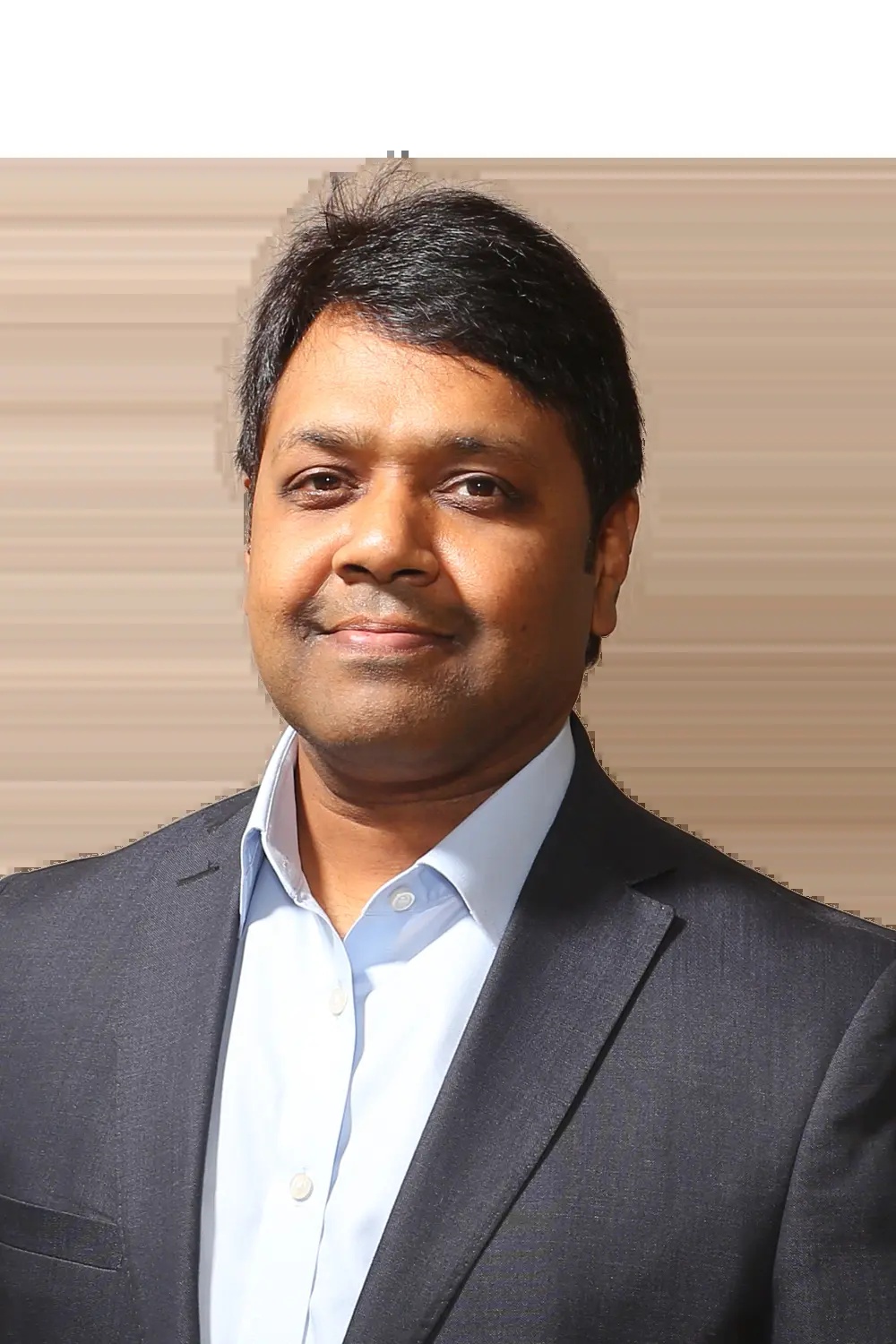
Kamal Raj came to the problem from inside revenue-cycle operations. A CIOReview profile identifies him as the founder and describes his previous work at Cognizant, including responsibility for an RCM portfolio across the US, India and the Philippines. Waterlabs was founded in 2019. Its starting point was a familiar operational frustration: manual work persisted even where technology was already present.
In an earlier CIOInsider interview, Raj described the constraints that shaped the business. Hospitals and insurers could not simply share patient information without restriction. Staff spent time calling about claims, checking status and resubmitting work. The initial proposition was AI-enabled robotic process automation fitted to this regulated setting. The first obstacle in his account was the existing process and its data constraints, rather than a spectacular failed invention.
That background helps explain a revealing admission in the CIOReview interview. Most of the business then came from RCM services, Raj said, while SaaS automation revenue was growing. Waterlabs was earning money from doing the work while developing tools to automate it. For a buyer, this creates a different conversation from purchasing a standalone application: who will actually carry the case through?
“While the bulk of our business today is on the RCM services side”
Kamal Raj, speaking in an earlier CIOReview interview
An urgent-care customer makes it less abstract
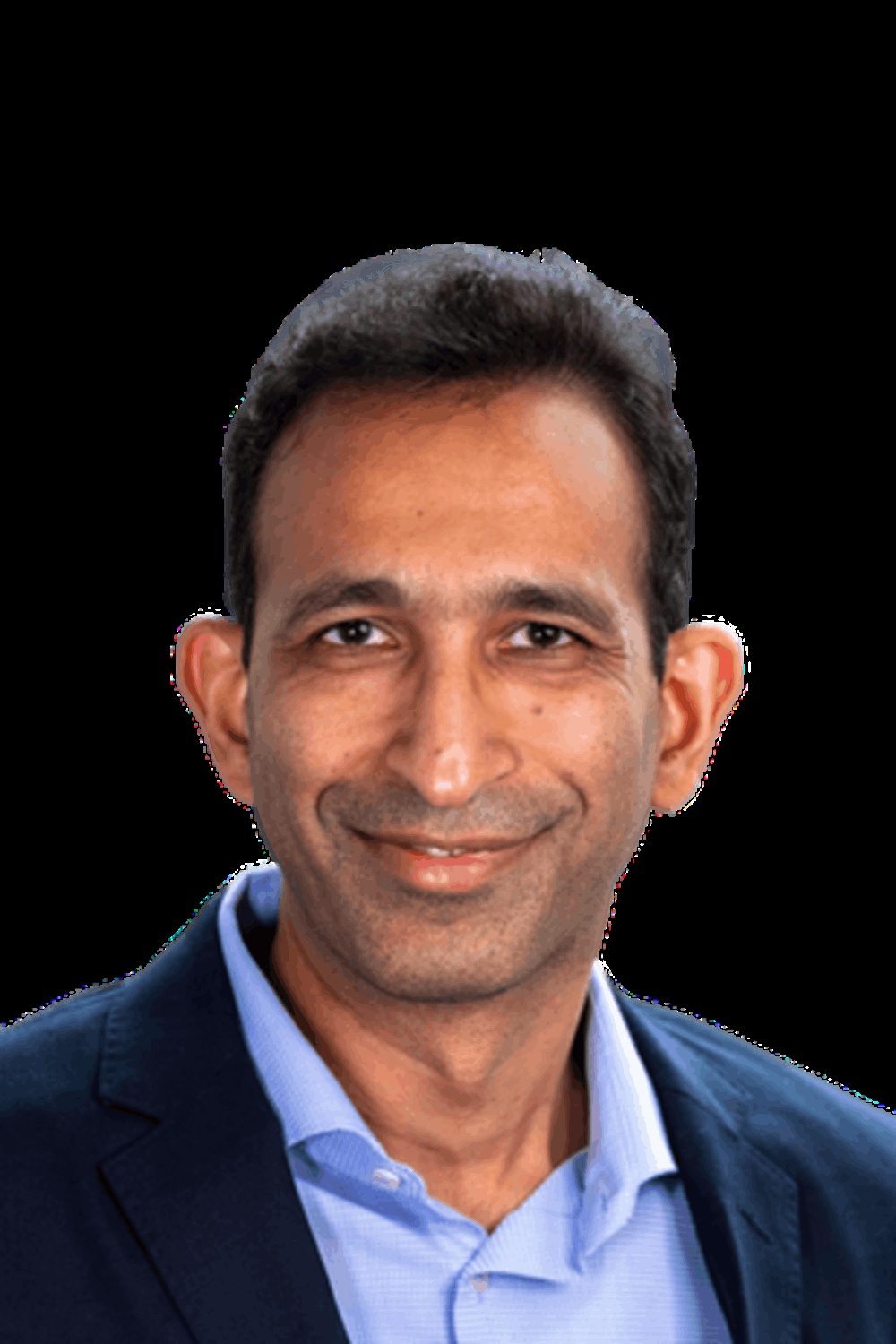
Healthcare Express provides a named example. In a company-posted interview, founder and managing partner Dr. Tim Reynolds discussed choosing Waterlabs. His explanation combined limited internal resources, interest in its technology and an existing relationship with the sales leadership. Trust was part of the decision. The interview is a reminder that an automation purchase is also a decision about whom to depend on.
Waterlabs described taking on coding, credit balances, payment posting and accounts receivable for the urgent-care business. Those are distinct jobs, with distinct opportunities for something to sit unfinished. The engagement was presented as a full revenue-cycle transition. It shows the breadth of the assignment more clearly than a catalogue of AI features could.
The practical implication is easy to miss. A provider buying this sort of service is delegating operational responsibility as well as obtaining software. The useful question becomes whether the work moves from one stage to the next with less intervention. Reynolds’s account explains the appeal of the relationship; the scope explains what that relationship was meant to accomplish.
Eligibility
Coding
Status checks
Payment posting
The desktop is a coordination argument
The current portfolio gives that operational ambition several names. Transform RCM handles workflow automation. CurieCode addresses medical coding. RapidTrace monitors agents and people, Vision Compass Pro supplies analytics, and MiSix provides robotic process automation. Hines ECSG sits in the enterprise integration portfolio.
HIMER AI OS is the broader packaging idea: a desktop-style environment for coordinating revenue-cycle agents. Its documentation describes an orchestration hub, browser-based interaction with legacy systems, direct connections where available, and an exception queue for human review. The familiar desktop presentation is a way of making several kinds of automated work manageable together.
The exception queue deserves attention. A process can run automatically and still require a person when the situation is ambiguous. In that arrangement, the quality of the handoff matters: enough context must reach the reviewer to make a decision without starting the investigation again. This is how an automation interface becomes an operating interface. Someone still has to see what is waiting.
Payer connections advertised for Transform RCM. Connections describe reach into payer workflows; they are not a count of paying customers.
Why the coding center belongs in the AI story
On July 7, 2025, Waterlabs opened what it described as a 500-seat Center of Excellence in Coimbatore. Its announcement linked the facility to coding automation and computer-assisted coding, and said the company had crossed 1,000 employees. Both figures belong to the company’s account of the milestone.
A room with hundreds of seats is an arresting detail in a story about autonomous software. It makes the human infrastructure visible. Waterlabs’s own announcement places its workforce inside the development of the coding product. Expertise and automation appear here as activities being built together. The building supplies a more tangible picture of that relationship than the word “agentic” does.
The leadership story developed alongside the product story. In July 2025, Waterlabs announced Jitendra Gupta as co-founder and CEO, citing previous healthcare leadership and consulting experience. Later that year it announced HIMER. The product launch framed the problem as moving beyond isolated AI tools toward coordinated RCM operations. Read alongside the expansion, the message is about organizing expertise at greater scale.
The market has other answers
Waterlabs operates in a crowded budget category. Infinx also offers AI, automation and RCM experts working across existing healthcare systems. FinThrive sells revenue-cycle technology. A provider can also keep the work inside its own billing department or contract it to a conventional services firm. The choice is partly about technology and partly about where operational responsibility should sit.
Waterlabs’s distinctive pitch combines delivery experience, payer connectivity and an agent-coordination environment. That gives buyers several entry points: a coding requirement, a troublesome workflow or a broader service transition. It also makes a sweeping comparison unhelpful. A coding team and an urgent-care operator may be considering quite different purchases, even when both call the budget “RCM.”
The business model follows that breadth. Services and consulting sit alongside SaaS tools. A sensible commercial discussion therefore starts with the scope of work: what is being delegated, what software is being deployed and who owns the unresolved cases. Cost should be compared with that scope and its baseline workload. A licence price alone would tell only part of the story.
The thing worth borrowing
The transferable idea is to begin with the route the work takes. For an operator evaluating this approach, map a claim through the handoffs, name the owner of each exception and measure what reaches completion. This is an inference from Waterlabs’s service-and-software model, rather than a promise about a particular implementation.
The same reasoning identifies the conditions that matter. An unsupported connection, incomplete documentation or an unattended exception can interrupt the route. A faster task will have limited value if the downstream queue cannot absorb it. The test is operational: compare similar work before and after, include the review burden and follow the result through to payment.
In January 2026, Waterlabs announced a further patent grant for knowledge-base-driven contextual AI. The emphasis on knowledge fits its public story. The company began with people who understood revenue-cycle work, sold services around that understanding, then expanded the software intended to carry it forward. Its most persuasive question remains pleasantly unglamorous: what is still waiting, and who will finish it?