The first thing to understand about a technical outdoor product is that its most impressive feature may also be its worst sentence. A binding releases according to a number. A rain shell moves vapor through a membrane. A trail shoe has geometry. The engineer is delighted. The customer is staring at a wall of nouns. Somewhere between them sits Verde Brand Communications, a compact Colorado agency whose central job is translation.
Verde does public relations, but that description now fits about as neatly as a climbing boot in a letterbox. The agency also runs creator programs, affiliate strategy, ecommerce work, paid media, email, social, content, SEO and what it calls AI optimization. The list looks broad. The niche beneath it is narrow: outdoor and active-lifestyle brands, the peculiar little republic of skis, bikes, packs, footwear, tents and people who can discuss waterproof ratings over breakfast.
Founder Kristin Carpenter arrived from that republic's press corps. After roughly a decade as a journalist in outdoor and lifestyle media, pregnancy made constant reporting travel untenable. She also believed the market needed a more experiential kind of public relations. So in 2002 she crossed what journalists jokingly call the dark side and started Verde in Durango. The first thing that failed was not a campaign. It was an old way of arranging a career. The thing that changed her mind was the possibility that lived experience could be the agency's product.
The beat became the business
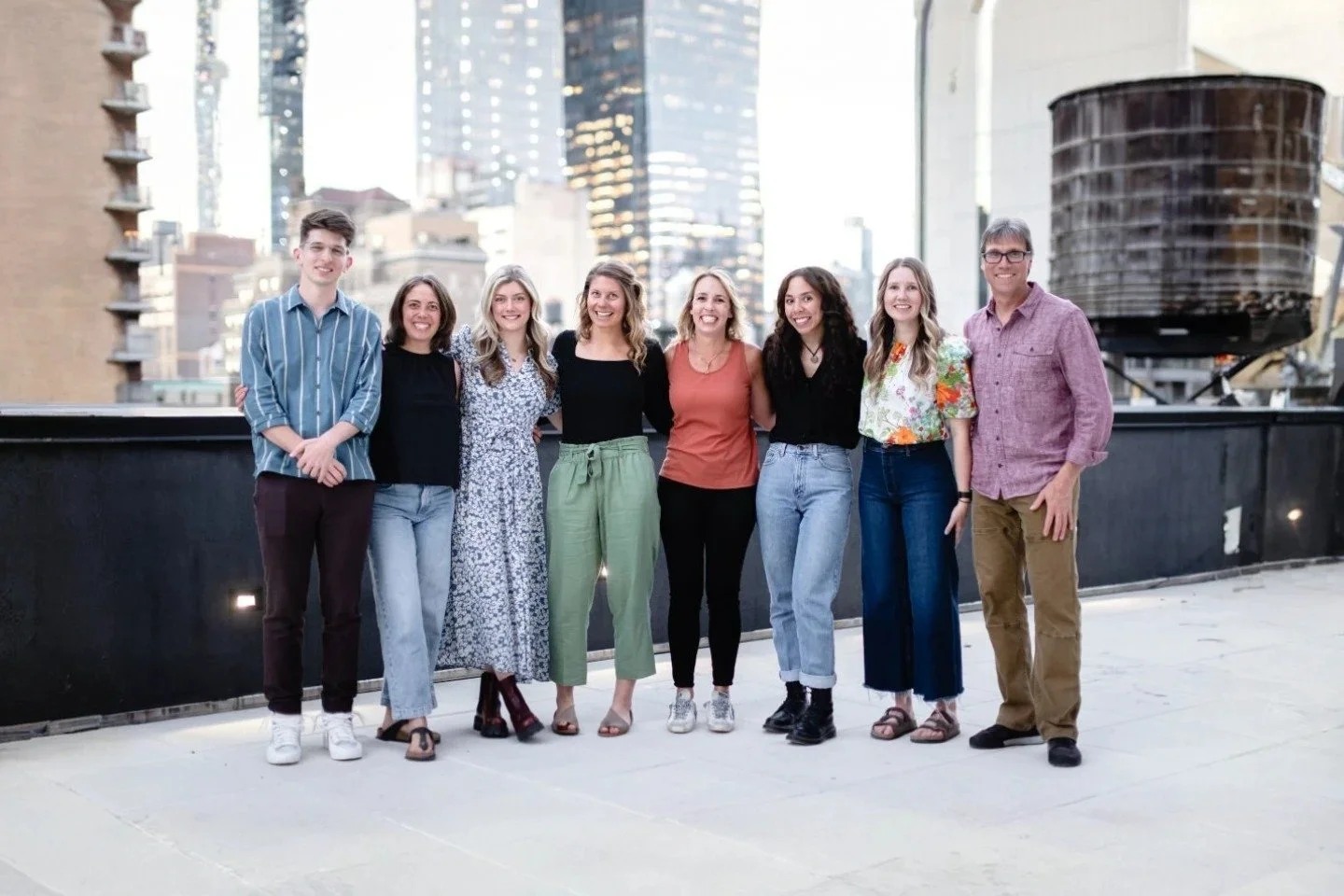
There is a reason specialists endure. A generalist can memorize a specification sheet. A participant knows which specification will make somebody lean forward. Verde says its team lives in the places and pursuits its clients sell into, with people spread across Durango, Boulder, Jackson, Seattle, San Diego, Los Angeles and Louisville. Julie Evans, a former Washington, D.C. reporter, joined in 2004 and now serves as CEO and partner from her Kentucky hometown.
The agency's customers range from startups trying to enter the outdoor market to established manufacturers trying to widen an audience. Its current and recent relationships include SCARPA, Yakima, Cascade Designs brands, Astral, Gregory, RECCO, Bosch eBike Systems and HEAD/Tyrolia. Its historical roster reaches GoPro, Gore-Tex, Osprey, K2, Petzl, Athleta and Under Armour. Verde says it has worked with more than 200 brands.
That last figure deserves careful handling. It appears in a testimonial from SCARPA North America CEO Kim Miller, not an audited case study. Miller says sales grew fivefold after the brand began working with Verde and that the value of Verde-generated media impressions and PR results equaled six times SCARPA's annual marketing budget. Correlation, attribution and testimonial enthusiasm can overlap. Still, the quote reveals what Verde believes PR should do: move beyond applause and participate in the commercial result.
“Being of service to the media makes Verde a valuable partner to journalists as well.”Julie Evans, CEO and partner
One story, five checkpoints
The old model placed a product in a magazine and waited for awareness. Verde's newer model maps the shopper's questions. A novice backpacker begins with “how do I choose a tent?” Then comes the comparison, the review, the retailer page and perhaps the purchase. Earned media can appear at every stage, but only if the pitch matches the intent.
A gear story's modern route
This is where Verde differs from a traditional publicity shop. It treats the media hit as an asset with several lives. A review may bring credibility today, rank in search tomorrow, appear in a newsletter next week and strengthen a product-detail page for months. Affiliate programs matter because many commerce publishers expect them. Creator relationships matter because discovery moved into feeds. Owned content matters because an AI answer can only repeat what it can find and understand.
In 2026, Verde made that last shift explicit. Its public playbook added AI-era discoverability, people-powered influence, integrated PR, outcome-based measurement and real-world experiences. This is less a pivot than a widening trail. The company's podcasting began in 2015. Channel Mastery later explored how specialty businesses could adjust to connected shoppers. The firm has kept the original editorial instinct while repeatedly adding places for it to work.
What the invoice actually buys
Verde does not publish a rate card. It sells customized engagements and argues that a client is buying 25 years of market experience, not merely a bucket of staff hours. In practice, the business is a private B2B agency model: ongoing relationships and scoped projects built around strategy and execution. Paid-media spend, production, events and creator compensation can add costs outside the agency's own work. The public invitation is a free 30-minute conversation; the real number arrives in a proposal.
This matters because the service is not a vending machine. The defensible part of the offer is accumulated trust with reporters and creators, category judgment, and continuity. Verde says multiple client relationships have passed ten years, while director-level tenure averages more than 15. A press database can be rented. The memory of which editor cares about which problem, and how that preference changed over a decade, cannot.
A method worth stealing
The most copyable thing here is not Verde's contact list. It is the architecture. Start with the customer question, not the campaign format. Find the credible third party who can answer it. Supply useful assets quickly. Then bring the resulting proof back into every channel where uncertainty slows a purchase.
The compact field guide
Build one credible story that can travel
- Map real questions from first curiosity through product comparison.
- Match each question to the editor, creator or community trusted to answer it.
- Give that person the product, facts and access needed to form an independent view.
- Measure qualified traffic, sentiment and action, not impression volume alone.
- Reuse earned proof in email, retail, product pages, social and sales material.
There are limits. The method depends on a product with a real distinction, enough inventory to satisfy interest and a team willing to let third parties test its claims. It is slower than buying reach. It is poorly suited to a brand seeking total message control, a commodity with nothing demonstrable to say or a launch whose distribution collapses after coverage lands. Expertise also cuts both ways: Verde's outdoor fluency is valuable precisely because it is not universal.
The company seems to understand this bargain. Its culture statement emphasizes people, passion, professionalism and principles; its memberships include The Conservation Alliance and the American Alpine Club. The language can sound like the outdoor industry talking to itself, because it is. That is the point and the risk. Insiders notice subtleties outsiders miss. They can also mistake familiarity for reach.
Verde's answer is to keep leaving the clubhouse. In spring 2026, its team met one-on-one in New York with editors and creators from outlets including Men's Health, Runner's World, The Strategist, Gear Patrol, CNET, InStyle and Travel + Leisure. The trip was deliberately framed as listening rather than pitching. Nearly 25 years after a journalist founded the agency, Verde is still doing the journalist's most useful trick: going where the questions are changing.
The product is not the press hit. The product is a believable answer that keeps turning up wherever a customer asks.
That is the small revelation inside Verde's long run. Media fragmentation did not kill the story. It gave the story more jobs.