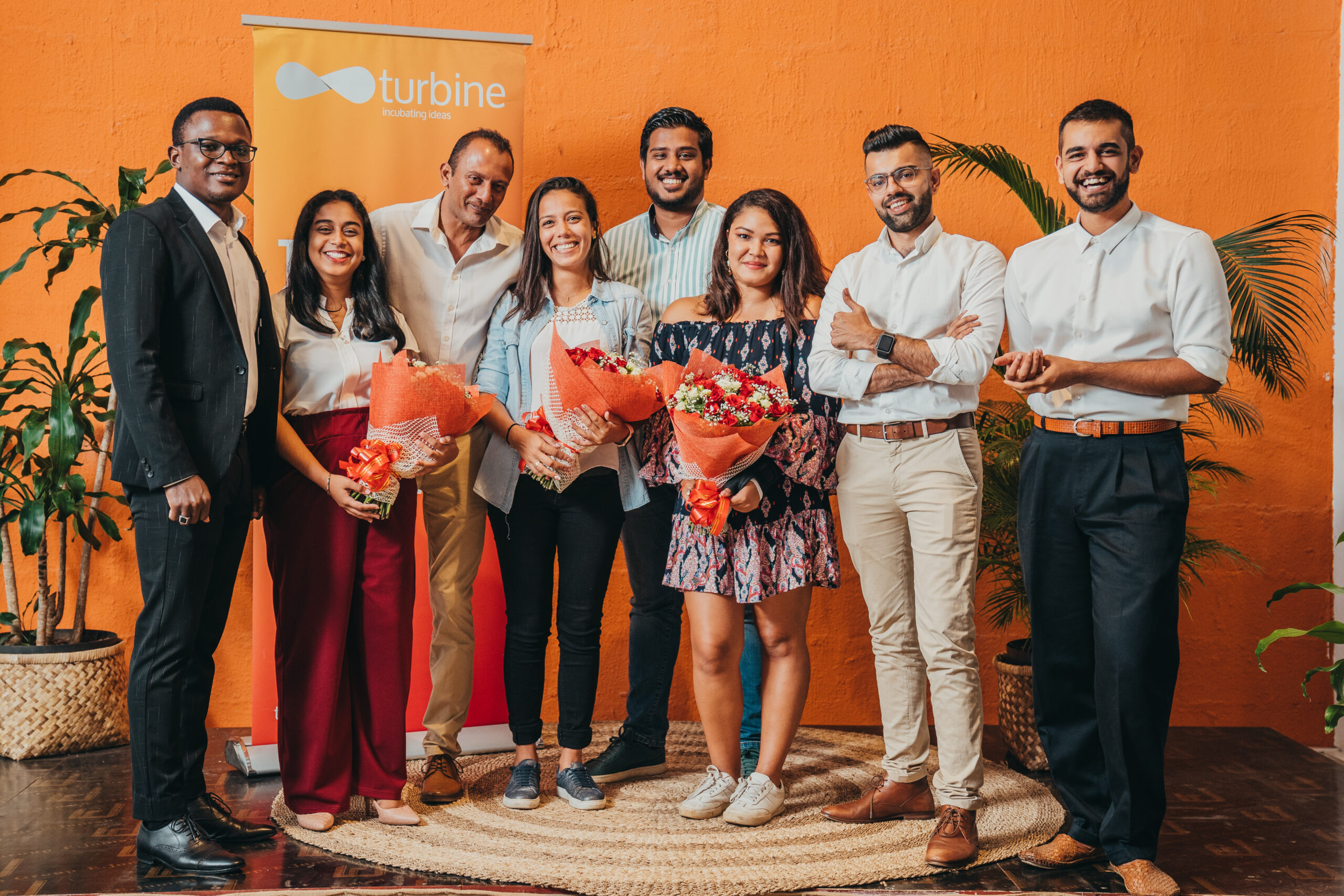
Seven businesses arrived at Turbine’s first acceleration programme in 2021. Four graduated that October. Start with those numbers, because they tell you something more interesting than a photograph of smiling founders holding certificates. An incubator can organise the advice, the introductions and the money. A business still has to make the journey.
- Three stages: test an idea, build a business, prepare to grow.
- Coaching comes with workspace, expert support and access to potential buyers.
- Investment is an opportunity, with separate terms - never an automatic prize.
Turbine works in Mauritius, where it connects aspiring entrepreneurs and young companies with people who have already faced the awkward questions of running a business. Its subject is innovation; its daily work is considerably less glamorous. What are you selling? Who needs it? Can you afford to keep going while they decide?
The distance between an idea and an invoice
The company’s origins sit inside ENL’s effort to build a startup ecosystem. Its establishment is dated to 2015 in its LinkedIn profile; Turbine’s own account starts its support activity in 2016. Today its backing is associated with ER Group, formed through the ENL-Rogers merger. That corporate connection matters because a founder’s problem is often access to an actual organisation with an actual budget.
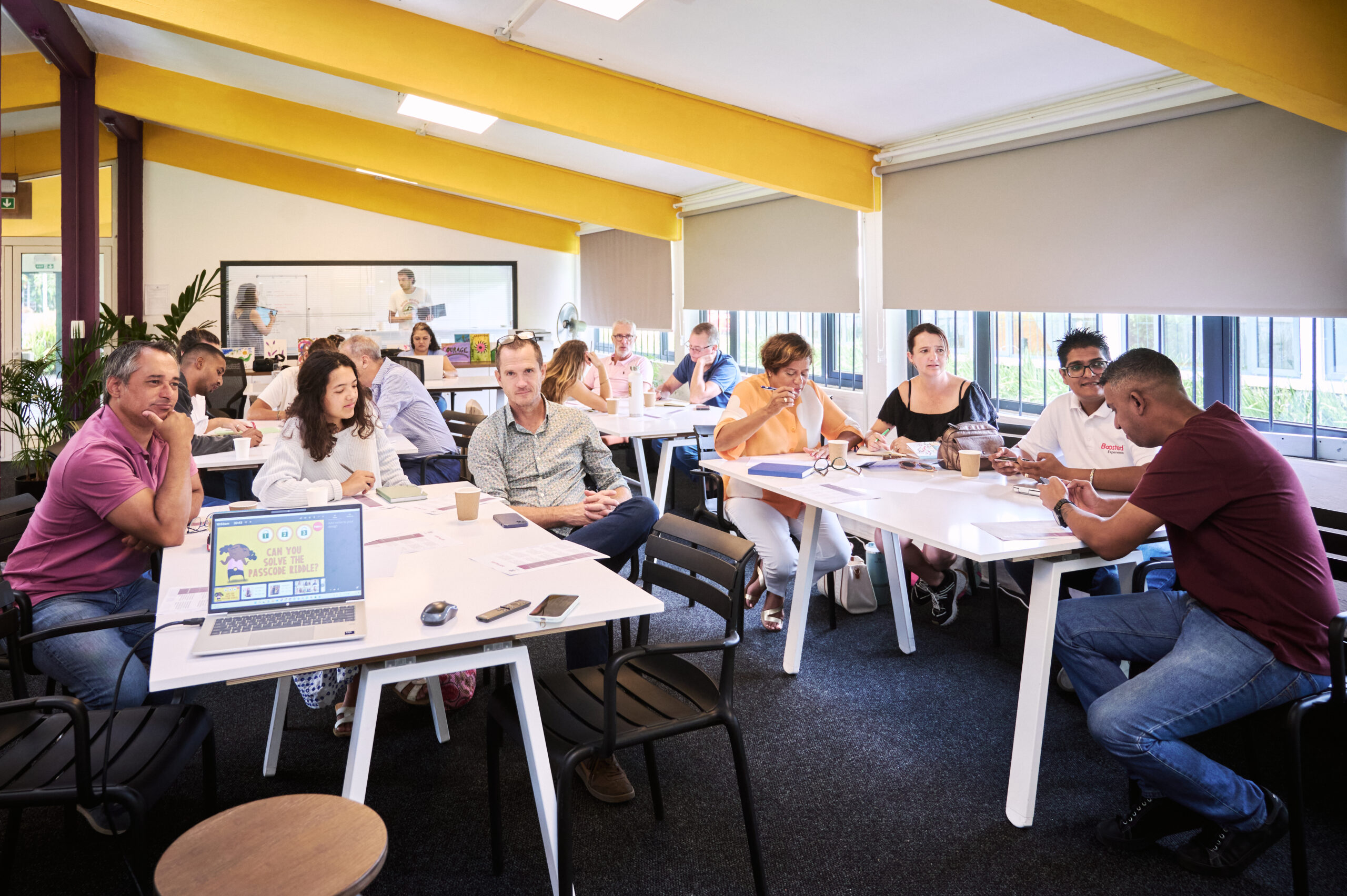
A desk solves one difficulty. An experienced coach solves another. Neither necessarily supplies a customer. Turbine’s approach bundles those needs: practical workshops, business coaching, working space and introductions. Its expertise lies in helping entrepreneurs make commercial decisions, prepare investor pitches and use specialists when the founder cannot sensibly do everything alone.
The three programme stages make that work legible. Ideation deals with a proposition still taking shape. Incubation helps a fledgling business organise itself. Acceleration addresses a company with results that needs resources to expand. ENL’s 2023 report described the transitions plainly: idea to prototype, prototype to first customers, first customers to growth. Each transition asks for different evidence.
A buyer’s problem makes a better brief
Consider Turbine’s corporate challenges in 2020. Insurer MUA wanted a telematics solution to encourage safer driving. Thirty applications came in from local and international companies; five were shortlisted. The exercise began with a company’s stated need. For an entrepreneur, that is a useful improvement on building something and then hunting for a reason somebody might purchase it.
Another challenge, with shopping-centre operator Ascencia, sought ideas related to mall businesses. Four of ten projects were selected for further support, including promotion and network access. Turbine explicitly framed these challenges as a way to help startups work with corporates and reach customers. The practical lesson is transferable: find a buyer’s unresolved problem before polishing the answer.
There are alternatives. La Plage Factory, in Port Louis, positions itself around impact-driven African technology businesses. A consultant can help with strategy; a coworking space can supply a desk; an angel investor can supply capital. Turbine’s appeal is the combination, particularly for founders who want to build a business in the Mauritian market. Its corporate relationships give that combination a local character.
The money has several price tags
An incubator’s economics deserve the same attention as its coaching roster. In a 2020 account, MCB described Turbine’s year-long support in exchange for 10% of a participating business’s equity once it took off. That is a historical arrangement. Founders considering a programme today should examine its specific agreement, including ownership, attendance commitments and the conditions attached to support.
The 2021 incubation offer included MUR 45,000 for professional services, alongside coaching and workspace for two. The first accelerator added MUR 150,000 in expert support and MUR 1 million in funding from Compass Venture Capital per participant. These figures describe particular offers in that period; they are useful evidence of what structured support involved, rather than a current quotation.
Today, Turbine advertises access to Seed Capital investment of up to MUR 5 million for accelerated startups. Separately, the 2026 Innovation Challenge advertises a MUR 300,000 equity-free cash pool distributed among three ventures, redeemable upon incubation entry. A prize pool, a support budget and an equity investment are different things. Adding them together would produce a wonderfully impressive and rather meaningless number.
Programme completion is a milestone. It is not a measured survival rate.
What the certificate can tell you
Those first graduates included Katapult, Lean Search, KonekTwa and Metennkoste. The spread is instructive: learning experiences, search advertising, influencer marketing and pooled payments. This was a business-building programme with room for different kinds of commercial activity. The graduation count also resists the tempting assumption that admission guarantees completion.
A wider snapshot appears in the IFC-World Bank’s 2023 Mauritius diagnostic. Through April that year, Turbine had supported 144 ventures through ideation, with 42 moving into incubation and seven accelerated. Thirty-three supported startups were still operating. These are stages and outcomes with different denominators. They show a selective journey; they cannot establish how much better participants performed than comparable businesses outside it.
The classroom gets a corporate audience
Turbine’s routines have changed when circumstances required it. During the 2020 lockdown, Test Drive workshops went online and coaches kept in touch through Zoom and WhatsApp. In September 2025, ELEVATE expanded the audience to employees, leaders and entrepreneurs. ER Group described a practical, PowerPoint-free experience. That is an appealing promise to anyone who has mistaken a forty-slide presentation for an afternoon’s progress.
The 2026 ELEVATE brochure lists a normal masterclass price of MUR 9,000 and advertised HRDC refunds of 70% to 90%, subject to eligibility. Its subjects include financial management, partnerships and market differentiation. Corporate ideathons and hackathons extend the offer further. Turbine thus serves people starting companies and people trying to make existing organisations more inventive.
“Financial management must be a company’s number one priority”Diane Maigrot · March 2026
That advice from Turbine’s managing director supplies a useful final test. Coaching needs a founder willing to act; introductions need something a buyer wants; funding needs a business worth financing. Turbine asks applicants for innovation, a real Mauritian market opportunity, starting resources and commitment. The reader can copy the sequence without joining: test the need, track the cash, seek the relevant expertise, then ask what growth would actually cost.