In April 2023, the troublesome part of Broward County’s paratransit system was a building. Severe flooding destroyed the airport-area operating facility used by Transportation America. The company moved its fleet to its other location. A transportation study later described the arrangement as a tight fit. Before anyone could solve tomorrow’s routes, someone had to solve tonight’s parking.
- The work: accessible rides, medical transport and municipal trolleys.
- The buyers: public agencies and healthcare organizations.
- The lesson: reliable trips need spare physical capacity as well as software.
That small, unglamorous detail helps explain Transportation America. From a passenger’s seat, transportation looks like a vehicle arriving. From the operator’s side, it is a succession of dependencies: a driver available, a vehicle suitable, a dispatch instruction understood, a facility still usable. The ride comes at the end of that chain.
A different kind of passenger business
Based in Miami, Transportation America works across South Florida’s passenger economy. Its portfolio includes paratransit, non-emergency medical transportation, ambulance services, and trolley and circulator operations. Public procurement records identify Super Nice STS, Inc., doing business as Transportation America, as the paratransit contractor. The company’s broader website brings several transportation brands under one umbrella.
The distinction matters because these passengers need different things. A commuter boarding a trolley needs a usable route. A person traveling in a wheelchair needs suitable equipment and assistance. A patient transferring between hospitals may need clinical staff. Calling all three journeys “a ride” conceals most of the work.
The company describes paratransit as “freedom, independence and accessibility.” It reports serving more than 32,000 certified Miami-Dade STS riders with over 400 vehicles on its undated service page. Those figures describe its stated program footprint; they do not tell us how any particular pickup will go. Dispatch training, flexible routes and GPS are part of its stated approach.
The customer isn’t always in the seat
There are two audiences for this business. One waits for a vehicle. The other signs the contract. Counties and municipalities buy an operating service; healthcare organizations arrange transport that supports care. The passenger judges the arrival. The institutional buyer must also judge price, staffing, reporting and performance.
Consider Miami-Dade’s November 2012 STS award. The county authorized approximately $208.3 million for five years. Transportation America’s proposal was both the highest ranked and the lowest priced. Its five-year offer came in about $14.6 million below First Transit’s. The award also called for a new fleet, vehicle-location technology and tighter performance requirements.
The prices bought more than motion. Mobilization meant acquiring vehicles, installing and testing equipment, and securing personnel. The county estimated a transition of up to four months. Winning the bid began a substantial operating assignment before the first passenger boarded.
Pay for the capacity. Then pay for the trip.
Broward offers another view of the economics. A 2024 transit case study describes Transportation America receiving a fixed monthly payment plus a rate for completed trips, with different rates for ambulatory and wheelchair-accessible journeys. Performance could affect compensation. The county supplied vehicles, scheduling software and propane.
That arrangement separates the cost of keeping a service ready from the cost of using it. Broward also separated responsibilities: Inktel handled reservations, scheduling and dispatch assistance. Transportation America became the sole TOPS vehicle operator after First Transit declined to renew in 2020. Reliability therefore depended on coordination across organizations, as well as within one company.
A booking starts a chain of promises. The vehicle has to complete it.THE OPERATING CHALLENGE
An app with work behind it
Trip2 is the company’s answer to part of that coordination problem. Transportation America describes its proprietary software as supporting reservations, driver tracking and rider ratings, alongside route optimization, reporting, claims processing and complaint handling. These are tools for connecting the passenger-facing experience to the administrative work behind it.
Trip2 also names its non-emergency transportation offering. The company lists wheelchair and stretcher transport, shuttles, group trips, courier work and medical-supply delivery. It describes providing call intake, routing, driver supervision, vehicle maintenance and billing for healthcare clients. The service extends well beyond a booking screen.
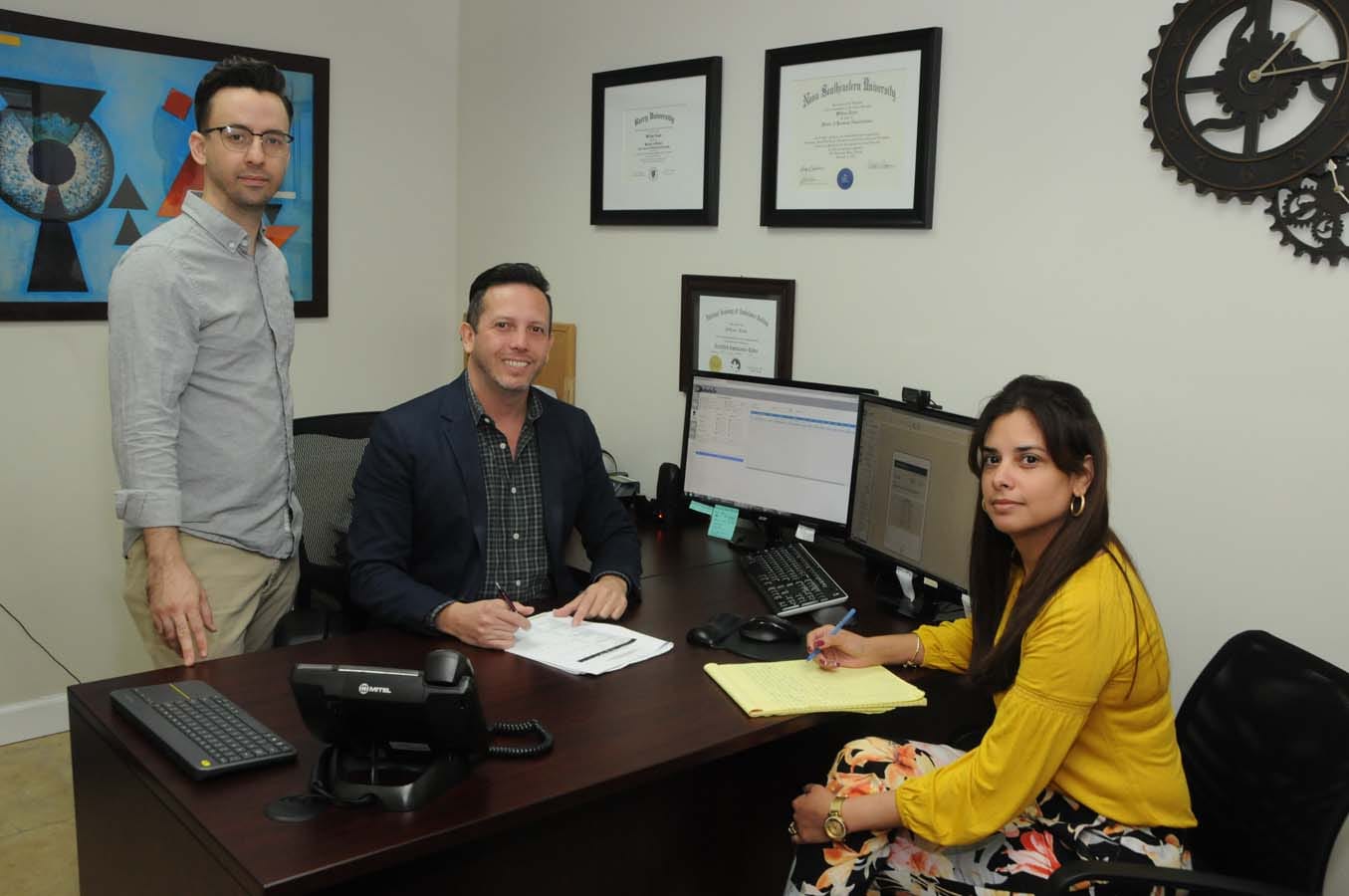
Its ambulance portfolio requires another layer of expertise. Miami-Dade Ambulance Service and MCT Express offer basic and advanced life support, interfacility transfers and specialized patient transport. The company describes clinical training and round-the-clock medical dispatch. Here, matching a vehicle to a journey also means matching medical capabilities to a patient.
The trolley has a backstage
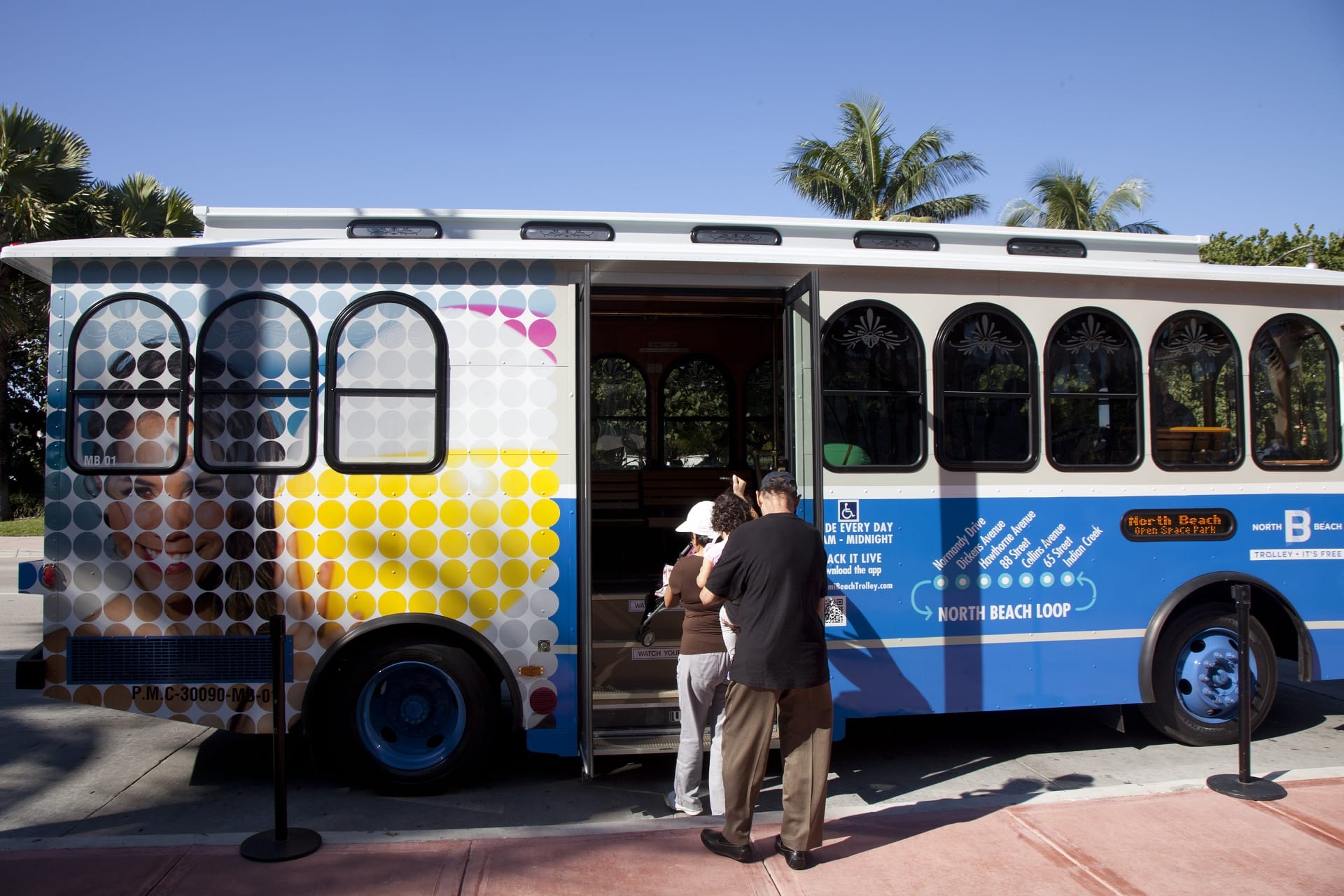
Through Limousines of South Florida, Transportation America also manages municipal trolley and circulator services. These connect neighborhoods and destinations with the wider transit network. To a visitor, the trolley is an easy way around. To the operator, it is a recurring commitment to put vehicles and people on a route.
The company’s market position comes from that breadth of operating work. Its website emphasizes diverse employees, safety and long-term relationships. Those are stated values; the practical test happens at the curb, where a rider discovers whether the organization’s preparation has translated into a useful service.
For riders, the useful starting point is the county’s STS program, which sets eligibility and explains how to apply. Miami-Dade describes a shared-ride, door-to-door service for people whose disabilities prevent independent use of accessible public transit. Its published improvements include longer reservation hours, standby vehicles and additional monitoring staff. These are specific responses to the reliability problem: more room to book, more capacity when service slips, and more people watching the operation.
The assignment continues to evolve. Broward’s September 22, 2026 agenda sought an extension of up to twelve months while a new solicitation finished, proposing a $75.7 million increase in the cumulative contract ceiling. That ceiling is a spending limit across the agreement, rather than annual company revenue.
Another operator can borrow a few disciplines here: distinguish standing capacity from trip costs, train the people using dispatch tools, and plan for losing a facility. These choices depend on funding, suitable vehicles and staff who can carry them out. The flooded depot makes the point concrete. Every reservation needs somewhere, and someone, to start from.