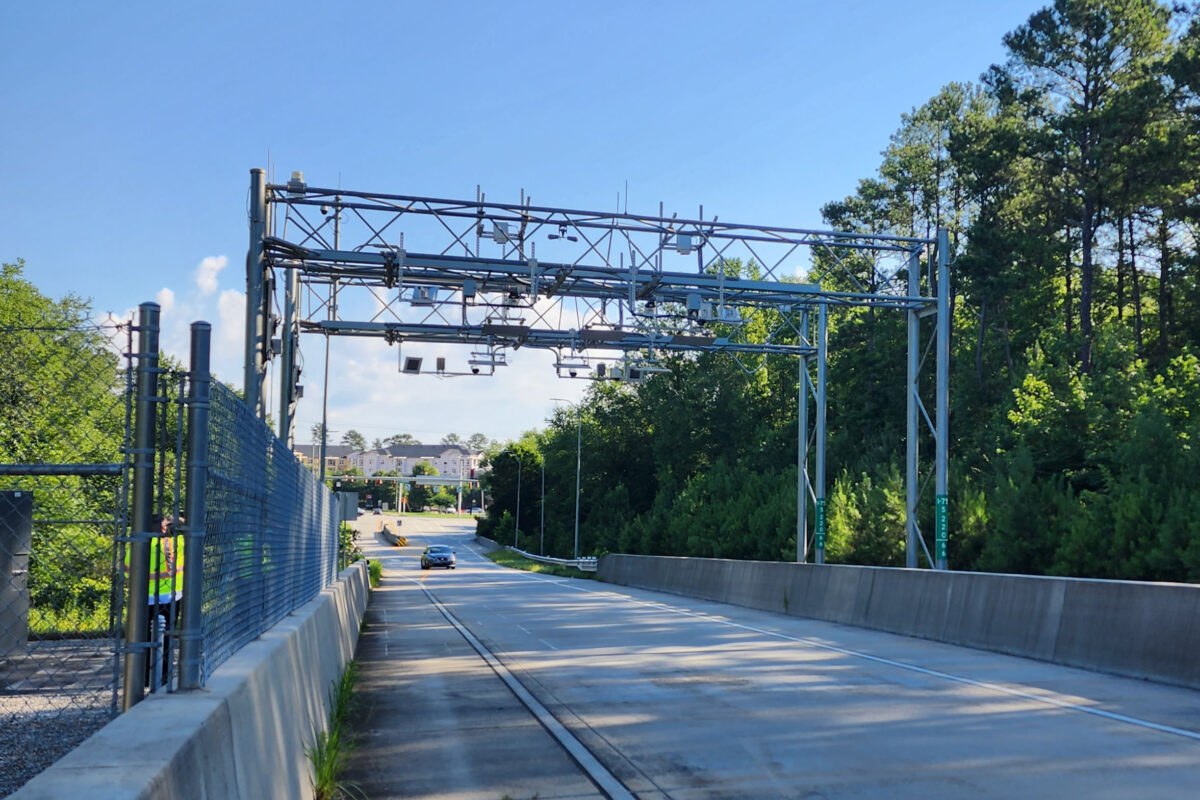
A car passes beneath a gantry. For the driver, the toll road has done its job: traffic keeps moving, nobody reaches for a wallet, and the journey continues. For the operator, the work is beginning. Which vehicle was that? Which account owes the money? What happens if the photograph is ambiguous, the account is wrong, or the driver disputes the charge?
- Neology connects vehicle identification with toll processing and customer service.
- Its customers include road agencies, concession operators and commercial fleets.
- The strategic shift: sell an ongoing operation alongside the equipment.
That gap between passing a camera and settling a bill is where Neology has been expanding. The Carlsbad company makes RFID tags and readers, supplies vehicle-recognition technology, and integrates the software behind toll roads. Increasingly, it also takes responsibility for the less photogenic tasks: invoices, account questions, violations and maintenance. The proposition is easy to understand. A road operator needs all these pieces to work together, every day.
Seventeen places to get it right
On September 14, 2026, Neology’s managed tolling platform went live for Plenary Roads Denver’s PeakPass operation on the US 36 Express Lanes between Denver and Boulder. The deployment covers 17 tolling locations. Roadside collection, back-office services, call-center operations, invoicing and violations processing sit inside one managed-service arrangement.
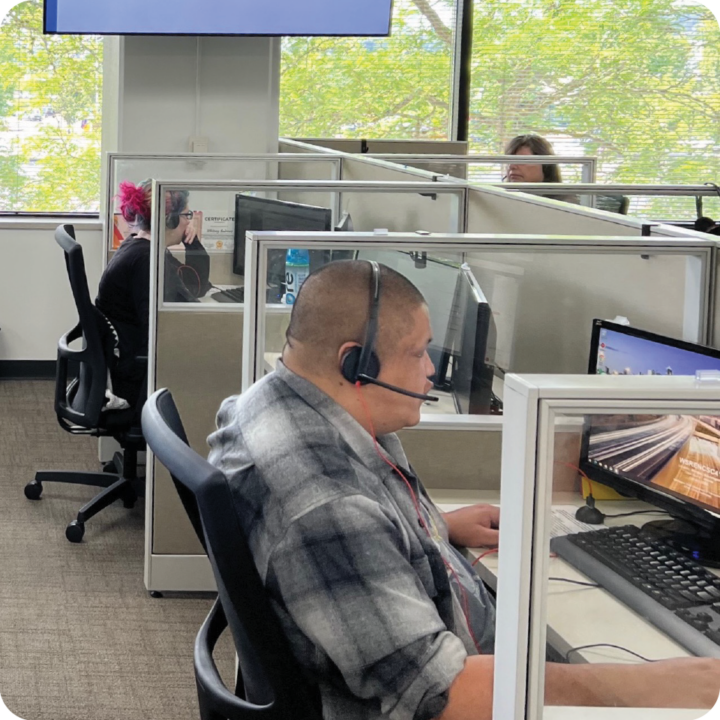
The initial agreement runs for ten years, with options extending the term to as much as forty. Think about the responsibility implied by that calendar. The vehicles will change. Software will change. Customer expectations will change. A supplier selling this arrangement is committing to a continuing operating relationship, with the people answering questions about transactions as much a part of the offering as the cameras capturing them.
The bill begins at the roadside
Neology’s product names can sound like the cast of a small workplace sitcom. neoPass supplies the transponders. neoRead supplies RFID reading. neoClass determines vehicle classification. neoBOSS handles operational and commercial back-office work. neoCare supplies customer operations. Behind the cheerful naming is an important distinction: identifying a vehicle, pricing its journey and managing its account are separate jobs.
neoBOSS brings together functions including trip building, reversible lanes, dynamic pricing, interoperability and account management. neoForce adds AI-assisted plate recognition. In Georgia, Neology says its camera technology can reduce manual image review, while overhead classification can eliminate in-pavement sensors. Those are proposed operating advantages, not a published guarantee that every installation will produce the same savings.
- 01IdentifyTag or plate
- 02ClassifyVehicle + trip
- 03ProcessAccount + charge
- 04ResolvePayment + care
The scale of the assignment becomes clearer in Georgia’s State Road and Tollway Authority contract, announced in July 2024 at approximately $120 million over ten years. It covers four existing tolling facilities, roadside equipment replacement, back-office integration, operations and maintenance. Deloitte contributes analytics and dashboards. That price belongs to a particular public infrastructure program; it is no useful guide to the cost of buying a camera.
Buying the work around the machine
Neology’s expansion has a practical sequence. Founded in 1993 by Francisco Martinez de Velasco, it acquired 3M’s tolling and automated license-plate recognition business in 2017, broadening its equipment and systems portfolio. In 2023, it added Shimmick’s Transportation Operations & Management Solutions business. In September 2024, it bought P Square Solutions, a tolling software and services company with operations in New Jersey and India.
Each purchase added work surrounding the roadside device. TOMS brought operating and customer-service expertise. P Square brought back-office software and development capacity. The strategic interpretation is straightforward: Neology was assembling more of the capabilities needed to deliver and maintain a complete service. Customers could buy a broader relationship from the same supplier.
“We keep our promises to one another.”Neology’s published working values
There was capital behind the expansion, too. In December 2021, Neology announced a $50 million cash injection: $38 million from infrastructure investor AINDA and $12 million from a subsidiary. The distinction matters. A $50 million cash headline and a $50 million external investment are different things. This announcement described the former.
Under Bradley Feldmann, who became chairman and CEO in 2022, management has explicitly framed the business around systems and platforms. Its published culture stresses teamwork, integrity and learning. Those words acquire a measurable meaning in a service contract: does the invoice reconcile, does the support team respond, and can the next upgrade happen without interrupting the road?
A rental car complicates the picture
Commercial fleets introduce another version of the identification problem. A vehicle changes hands; a toll transaction may arrive later. The fleet needs charges matched to vehicles, accounts and the right business records. Neology launched neoFleet in September 2026 to manage enrollment, toll transactions, violations, billing and reconciliation.
Later that month, it announced deployment across Avis Budget Group brands, including Avis, Budget, Payless, Budget Truck and Zipcar. Avis Budget retains the customer experience. Neology handles the toll-authority-facing operation, including vehicle registration, transaction aggregation and transponder fulfillment. That division of labor is revealing: an integrated service can still let the customer control the relationship it considers most valuable.
Integration also means moving existing records without losing their meaning. Neology describes migration work that includes profiling, cleansing, secure transfer and validation against control totals. For an agency with years of accounts and transactions, those steps are part of the purchase. A fresh interface cannot rescue mismatched records. The transition has to preserve the information that makes the new operation accountable to the old one.
A camera does not answer the phone
Neology competes in a market where Kapsch TrafficCom also offers complete tolling systems and TransCore supplies tolling equipment. Its breadth matters, but breadth alone does not settle a buying decision. In police vehicle recognition, access to a wider network and dependable support can be decisive.
Lakewood, Colorado, supplies a caution. An October 2024 police procurement memo described its aging Neology installation as costly and inadequately supported. Officials sought a Flock Safety replacement after a successful pilot, citing access to neighboring agencies’ cameras. That is one customer’s account of one system. It shows why a capable product portfolio cannot substitute for a service that fits the buyer’s daily needs.
The useful lesson extends beyond toll roads. Follow the transaction all the way through. Ask who owns the exception, the disputed charge, the migration and the maintenance call. A unified contract can simplify responsibility; its success still depends on reliable data and delivery. Neology’s wager is that customers will pay for someone to carry that responsibility long after the car has disappeared.