A tractor can have plenty of horsepower and still spend part of its working day bouncing. The engine pulls. The tires flex. The machine begins an argument with the ground. Farmers call one version of this problem power hop. For Titan International, the interesting question sits below the axle: what if the wheel and the tire were designed to settle that argument together?
- The product: wheels, tires and assemblies for machines that work beyond the highway.
- The idea: change the relationship between the steel rim and the rubber sidewall.
- The business turn: buy into smaller specialty tires, then agree to sell the ITM undercarriage operation.
The argument below the axle
Low Sidewall Technology, or LSW, changes a familiar proportion. Titan enlarges the rim and shortens the tire’s sidewall. The company says that geometry reduces bouncing and improves stability. On a farm, the intended benefits extend to road travel and the pressure a heavy machine puts on productive soil.
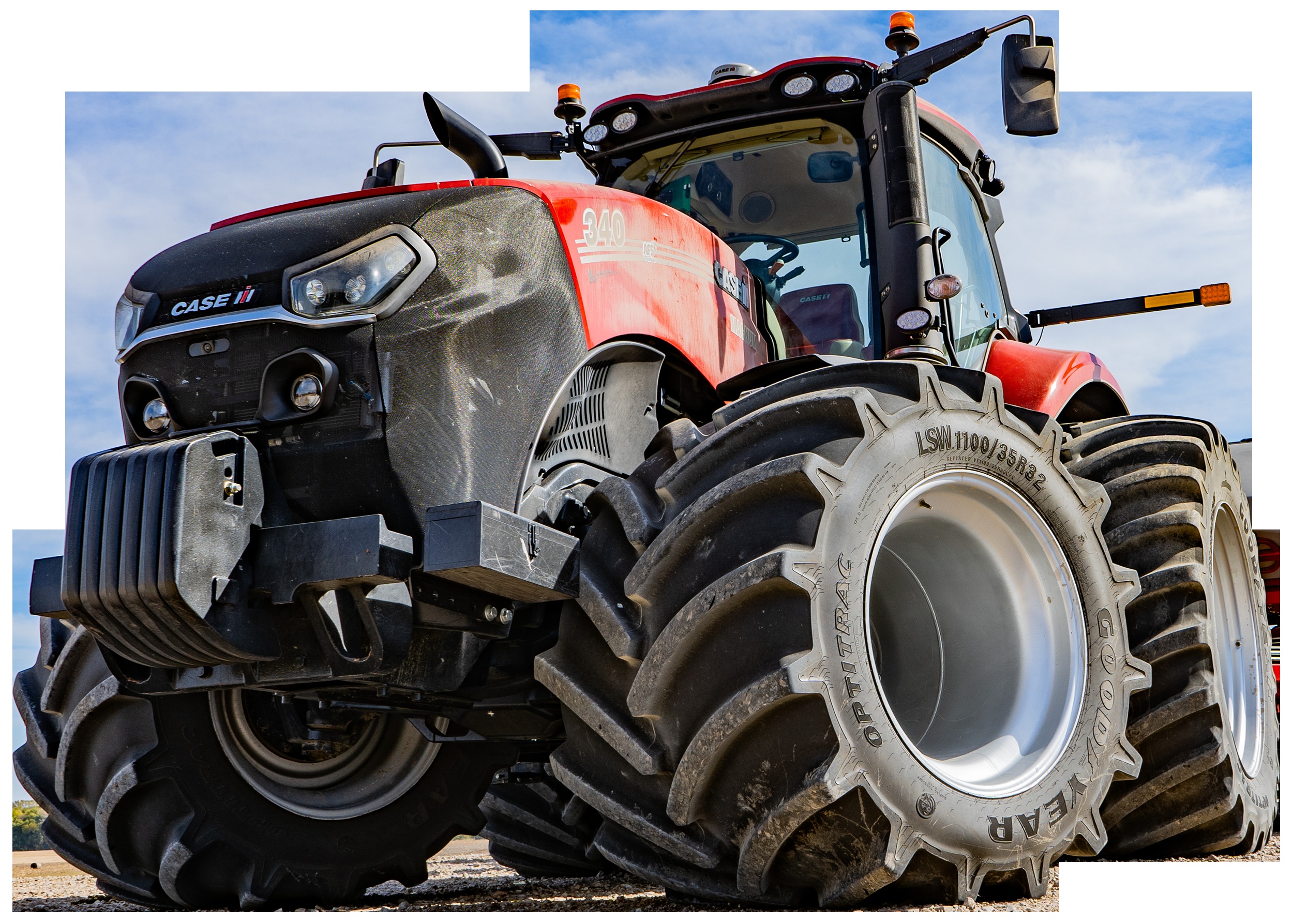
This is where Titan’s combination of capabilities matters. A tire company can change rubber. A wheel company can change steel. Titan manufactures both, allowing the assembly to become the design problem. Its engineers also work with equipment manufacturers on customized wheels, matching a component to the machine that must carry it.
The timetable is instructive. Titan’s history places early LSW production in 1999, including Caterpillar skid-steer applications. Large agricultural equipment followed in 2010, after a decade of development and testing. A broader range arrived in 2014. The idea was compact; the work required to make it useful was lengthy.
A company assembled from other companies
Titan’s past contains two beginnings. In 1890, John A. Stillwell and three associates founded Electric Wheel Company in Quincy, Illinois. That is the industrial family tree. The present corporation dates to 1983. Treating those dates as interchangeable would erase the ownership changes that explain how the business grew.
The earlier setback belongs to the factory story. Titan’s history records that Firestone shut operations in 1982 following strikes in the farm implement industry. The next year, an acquisition led by Joseph Tanenbaum and Maurice Taylor Jr. bought certain facility assets. The resulting business, Can-Am Industries, eventually became Titan Wheel International.
Acquisition became a way to add abilities. Goodyear’s North American farm tire assets joined in 2005; its Latin American farm tire business followed in 2011. Today, Goodyear Farm Tires branding can appear on a product made by Titan. The familiar name on the sidewall and the company behind the manufacturing are separate things.
The $296 million widening of the road
In February 2024, Titan acquired Carlstar. The announced price was approximately $296 million in cash and stock, before adjustments. The subsequent accounting put total consideration, net of acquired cash, at $312.3 million. Those numbers describe different stages of the same purchase.
Before closing adjustments. Estimated transaction costs of $7 million were additional.
Carlstar brought lawn and garden, powersports, trailer and smaller-equipment exposure, along with four manufacturing facilities and twelve internally managed distribution centers. Titan could sell more kinds of tires through more channels. The strategic logic was diversification: a mower or UTV customer brings a different purchasing decision from a farmer considering a large tractor.
The business still earns its money through physical products: components and assemblies sold to equipment manufacturers, plus replacements moving through distributors and dealers. It competes with tire makers including Michelin, Bridgestone/Firestone and BKT, and wheel specialists such as Rimex. The contest includes price, availability, engineering support and service.
Breadth does not make the economics easy. Titan reported $1.83 billion in 2025 sales and a $61.2 million consolidated net loss. Second-quarter 2026 sales rose 5.2% to $484.8 million, but the first half still produced a consolidated loss. Selling essential parts to cyclical industries means living with their spending decisions.
The dealer is part of the machine
A tire is a physical object with a service relationship attached. In September 2026, Titan marked ten years of its Strong Seller Associate Dealer Program. The company said participation had more than doubled since the first full year, with more than 30% of current associates dating from its earliest days.
“A true growth partnership.”Kendra Mann, Director of Aftermarket Sales, on Titan’s dealer program
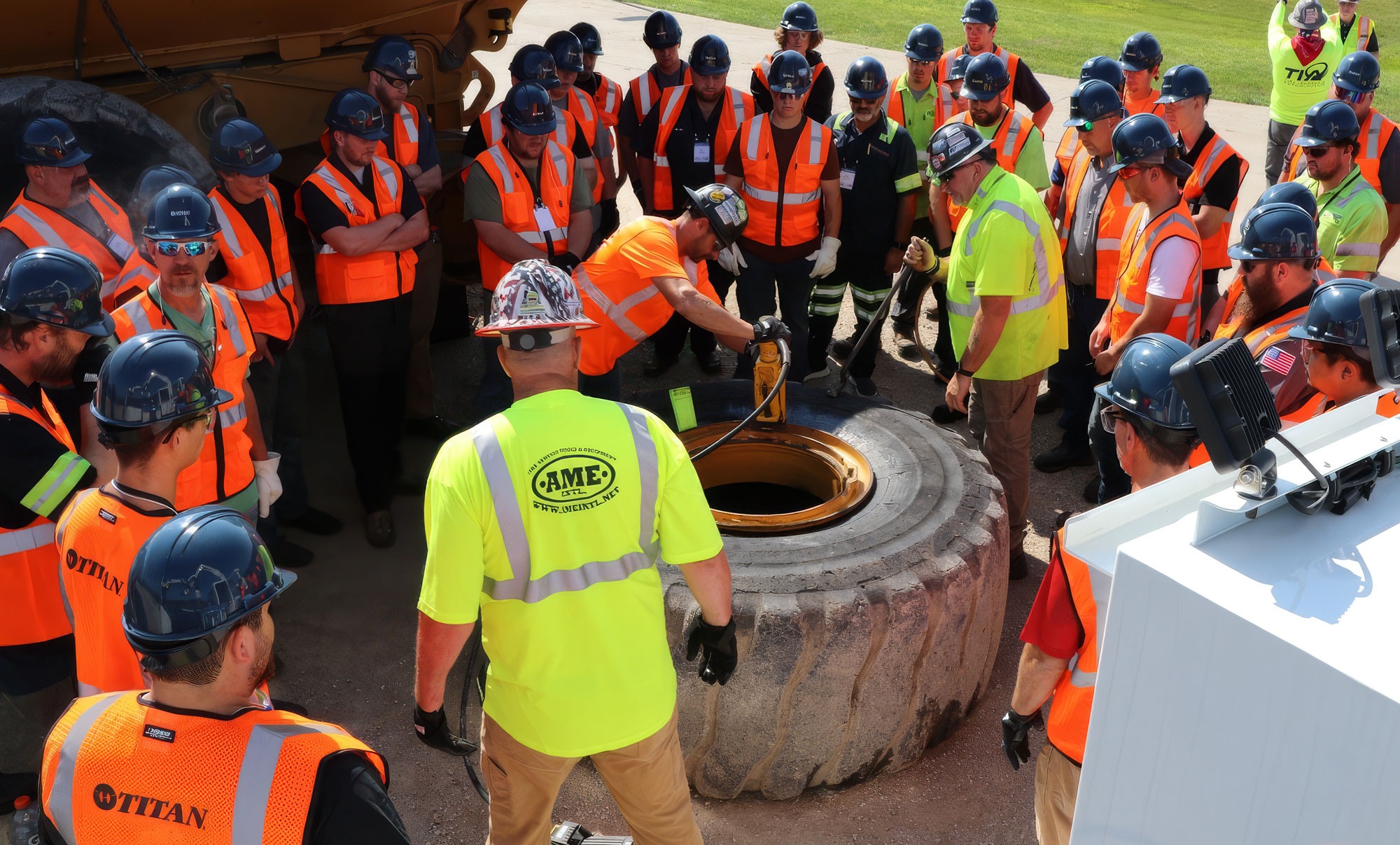
The offer combines volume incentives, product access, marketing tools and training. That last item deserves attention. A dealer must do more than explain a tread pattern. Someone has to select, fit and service the assembly. Technical competence makes the manufactured product usable long after it leaves the factory.
The 2026 product launches show how specific the work becomes. ForestEDGE targets forestry machines confronting stumps, rocks and debris. ITP Kinetic targets UTVs, with radial construction and sidewall protection. One corporate portfolio, quite different jobs. Customers buy the fit between a product and an unpleasant working condition.
A sharper turn back to tires
In September 2026, Titan agreed to sell its ITM undercarriage business to USCO for approximately $207 million initially, subject to adjustments, plus a possible $6 million earnout. Closing was expected in early January 2027. Management described the purpose as concentrating on core wheel and tire operations and strengthening financial flexibility.
There is a long negotiation history behind that announcement. In the sale release, chairman Maurice Taylor recalled an offer below $100 million discussed more than ten years earlier. The new agreement arrives with a higher initial price and a stated preference for concentrating investment. That helps explain the decision without assuming that every business Titan once bought must remain inside the group forever.
At the 2026 Farm Progress Show, Titan promoted an LSW Payback Calculator so farmers could evaluate potential returns using their own operations. The useful part is the discipline of asking for inputs. A dealer conversation can begin with the current setup and the job it struggles to perform, then move to a quote. Any savings estimate remains an estimate until the equipment does the work under comparable conditions.
For a buyer, the useful lesson is equally specific. Start with the machine, its load, its speed and the ground it crosses. Titan supplies application tools and inflation guidance; its warranty requires operation within specified limits. A payback estimate needs the farm’s own assumptions. Better geometry cannot rescue the wrong fit. Before asking the engine for more, inspect the connection already doing the work.
Take a closer look
Explore Titan’s website, LSW applications, the newsroom and investor updates.
Watch: LSW technology overview ↗ · LSW for agriculture ↗ · Construction and mining applications ↗