Before anyone at the Munich Startup Festival could ask whom they ought to meet, somebody had to decide when the matchmakers would take their breaks. The public briefing for the July 2025 event specified preparation, arrival times and minimum staffing. Red shirts were part of the kit. So was familiarity with the event app. A useful introduction, it turns out, has a backstage.
- The Matchmakers helps business-event guests find relevant people.
- Its tools include human guides, networking walls, speed networking and roundtables.
- The lesson for organizers: give introductions a plan, a place and responsible people.
This is an unusually revealing way to encounter an events business. The photograph might show smiles; the briefing shows coverage. The Matchmakers, based in Munich, operates in the interval between arriving at a conference and having a conversation that justifies the journey. That interval can be surprisingly long. A badge tells a stranger your name. It is less helpful about what to say next.
The complaint that became a company
Galina Bankova founded The Matchmakers in 2017. Her earlier venture, Do Work You Love, focused on people’s working lives. With the new business, she turned to facilitating connections between people. In spring 2017 she discussed the problem with Kira Shilling, a former Bits & Pretzels producer. Those conversations helped get the venture started.
The grievance was wonderfully ordinary: spending time with the wrong people, discussing the wrong things. Consider a founder seeking an investor. “Investor” is a useful category, but it leaves out investment stage, sector and whether that person is looking for another meeting. The difficulty is often more precise than finding someone with the right job title. It is finding overlapping reasons to talk.
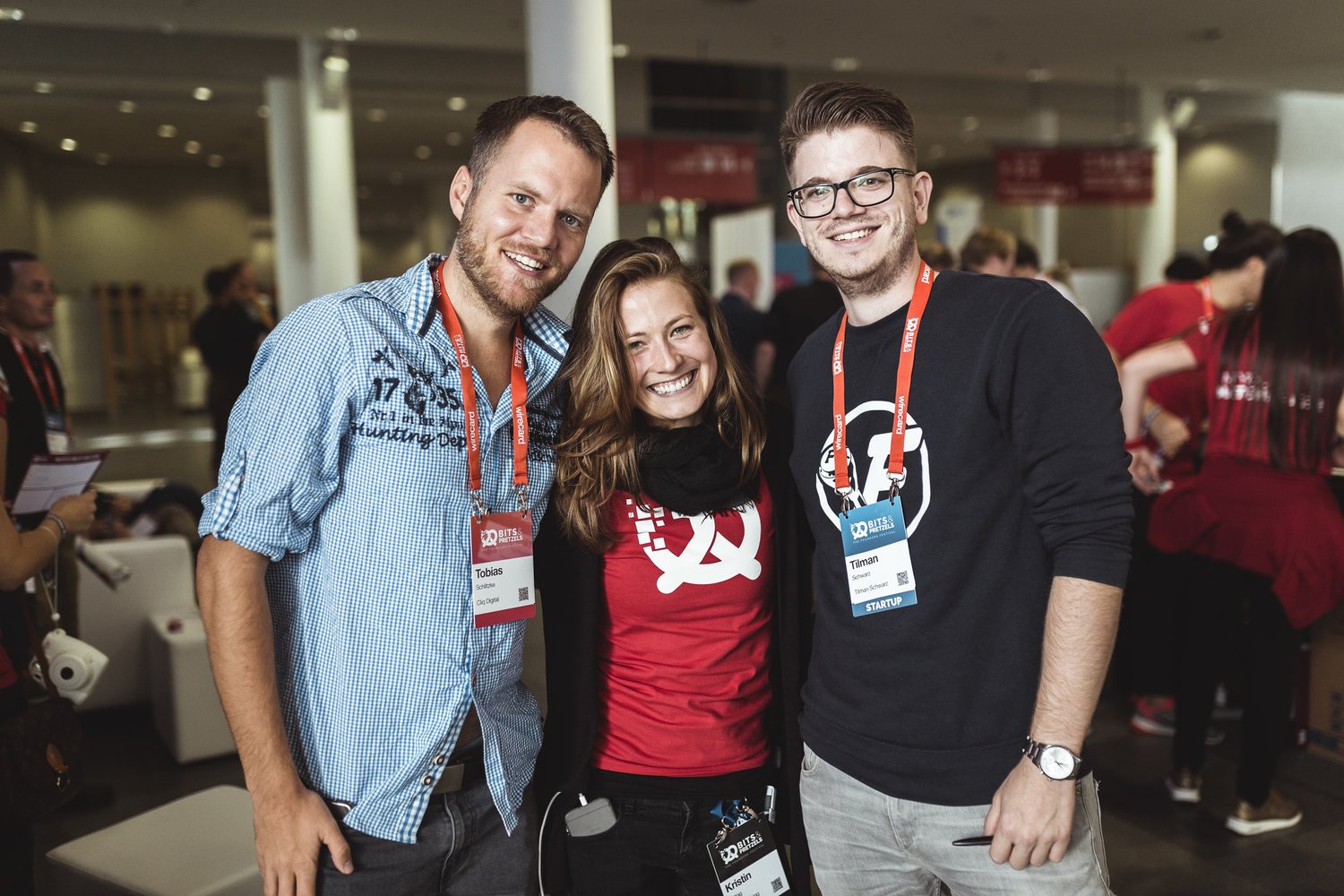
The company names Bits & Pretzels, FitTech Summit and Command Control among its event projects. Its founder also describes “Networking as a Service” for customer events and company celebrations. The buyer is an organizer seeking a useful gathering; the person receiving help is an attendee. Keeping both audiences in view explains why this service belongs in an event’s design rather than being left to the coffee break.
Four ways into the room
At the Matchmaking Desk, a guest can ask for guidance. On the Networking Wall, guests publish what they seek and what they offer. Roundtables bring people together around a subject. Speed networking gives a succession of introductions a timetable. These formats make different demands on a participant: ask, post, discuss or rotate. A person who dislikes one route has another.
Bankova’s 2025 Bits & Pretzels post listed roundtable subjects including founder mental health, fundraising as a female founder and hiring a first sales team. Speed sessions included first investments and building an entrepreneurial network. Specificity does useful work here. “Come and network” gives a guest homework. “Come and discuss your first sales team” supplies the opening sentence.
The festival’s own description places the matchmakers alongside its networking platform. The software lets attendees discover people, send messages and arrange meetings before arrival. Human guides help guests navigate the event and pursue their goals. The distinction is practical: a directory can expose possibilities, while a conversation can clarify which possibility deserves attention. The two can work together.
The event also advertises 70+ trained matchmakers. These are festival figures, not The Matchmakers’ employee count.
The people behind the red shirts
The company’s people page separates a leading team, senior matchmakers and associates. It is an important distinction for a service that can assemble a large event team without being a large permanent employer. Experience in community building, events and people development is part of the company’s stated expertise. At a conference, that experience has to become something a guest can use.
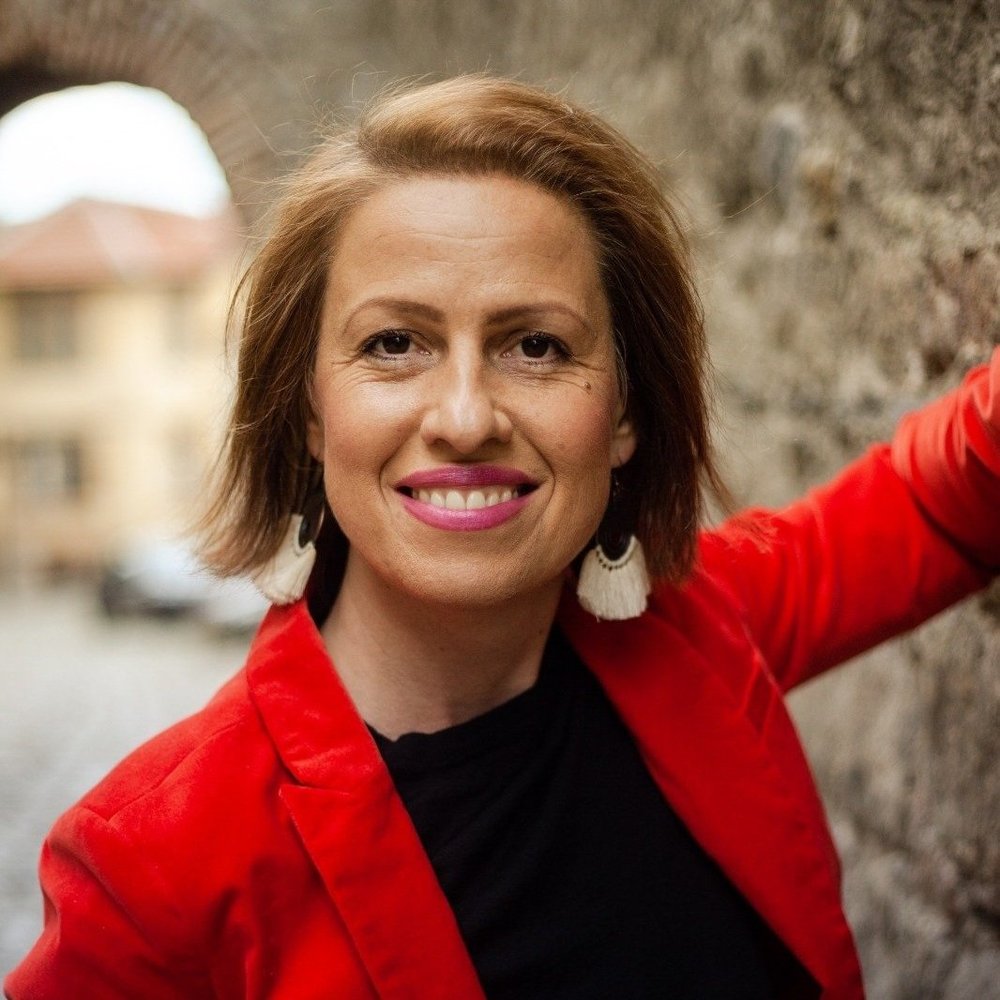
Its community offers monthly networking events, quarterly bar camps and a private LinkedIn group. The Matchmakers Academy describes learning the skills and practising them at real events. The community’s declared values include integrity, professionalism and playfulness. Two shorter instructions are especially serviceable: “give first” and “ask for what you need.” Together they describe an exchange that requires generosity and a clear request.
“give first”
“ask for what you need”Two published Matchmakers community values
The ambition extends beyond conferences. In its vision for 2050, the company imagines matchmaking as a recognized profession and companies employing internal matchmakers to connect people, projects and knowledge. That is an aspiration, rather than a description of today’s market. Still, it identifies the job Bankova wants taken seriously: making connections is a responsibility somebody can learn to carry.
What an organizer can borrow
The festival briefing suggests a practical starting point. Put guidance somewhere guests can find it. Prepare the guides on the program and digital tools. Publish needs and offers. Preserve enough coverage that the person asking for help actually meets somebody available to help. None of those ideas requires pretending every attendee is an extrovert with a pocket full of opening lines.
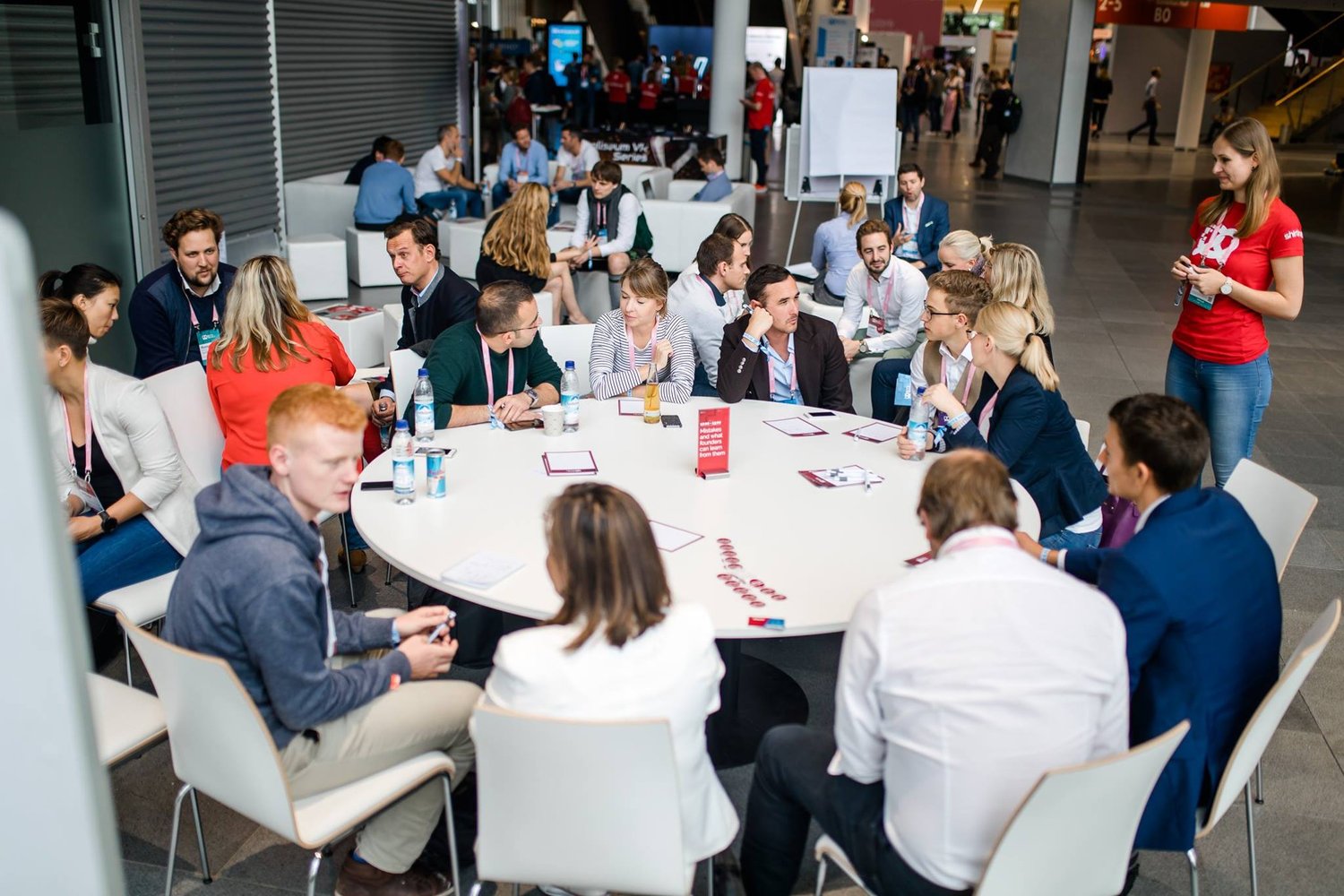
There are conditions attached. As an operating inference, this approach needs relevant people in the room, guests willing to explain their needs and facilitators prepared to listen. A host cannot arrange a useful meeting with an absent investor. A busy desk needs sufficient staffing. Nor does an introduction establish that a deal followed. The service can improve access to a conversation; what the participants do with it remains their work.
Budgeting should follow the same logic. An organizer can ask a supplier to separate preparation, on-site coverage and facilitated sessions in its proposal. That is a purchasing suggestion, rather than a claim about this company’s rate card. It makes the trade-off legible: how much attention will guests receive, and when? Counting introductions alone would miss whether those meetings served the participants’ purposes.
For an organizer considering the service, the sensible conversation concerns scope: which guests need help, which formats suit them and how guidance will fit the program. The most transferable idea is smaller than a grand theory of networking. Give the first conversation an owner. A room full of interesting people becomes more useful when someone accepts responsibility for helping them meet.