There is a revealing detail in the history of The Marzetti Company: the first dressing factory was upstairs. Below it was a restaurant in Columbus, Ohio. Above it, by 1955, was an operation producing the dressings customers had been carrying home in bottles. The dining room had discovered a product business hiding inside its own menu. People wanted to keep one part of dinner after dinner was over.
- Marzetti sells its own food brands and licensed restaurant favorites.
- It supplies restaurant kitchens as well as grocery shelves.
- A $400 million sauce acquisition extends an idea born in a dressing bottle.
The first factory was upstairs
Teresa and Joseph Marzetti arrived in America in 1896 and opened an Italian restaurant. After Joseph died in 1911, Teresa continued running it. The company’s history singles out two things customers particularly wanted: Creamy Coleslaw and French dressings. Their enthusiasm eventually changed the use of the building. A restaurant’s finite supply of tables mattered less once its dressing could reach somebody else’s table.
Lancaster Colony acquired Marzetti in 1969. Teresa died in 1972, and the restaurant closed. The bottled-food business endured. That distinction matters: today’s company inherits a restaurant’s name and food heritage, but its economics belong to manufacturing and distribution. A customer no longer needs to travel to Columbus to encounter it.
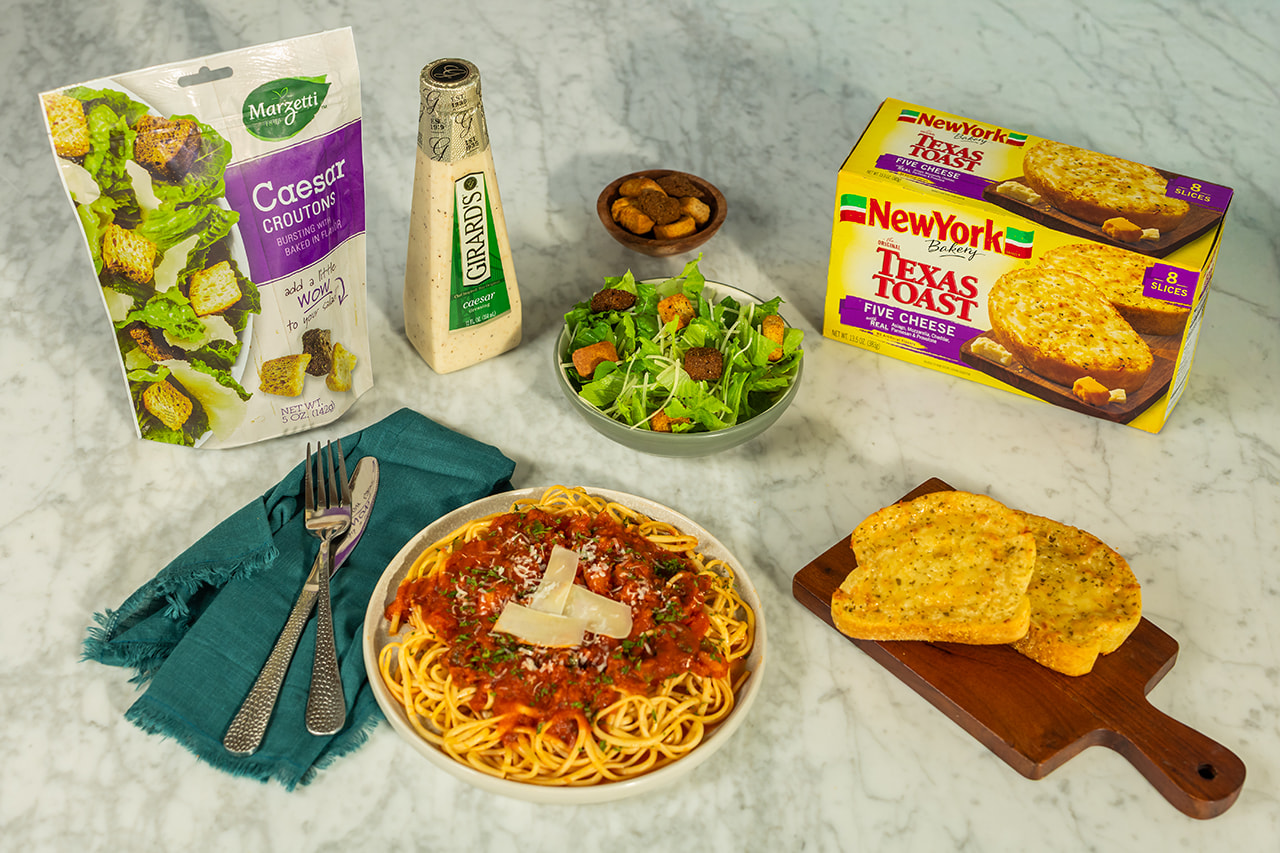
A grocery aisle full of restaurant names
Consider the assortment. There are Marzetti dressings and vegetable dips, New York Bakery garlic bread, Sister Schubert’s rolls and Reames noodles. Alongside these owned brands sits another collection: Olive Garden dressings, Chick-fil-A sauces, Buffalo Wild Wings sauces, Subway sauces and Texas Roadhouse steak sauces and frozen rolls. Those restaurant names come through licensing agreements. Buying a bottle does not mean Marzetti owns the restaurant.
The distinction gives the business an interesting shape. In foodservice, Marzetti supplies products and culinary development to restaurant operators. In retail, it sells food under both its own names and licensed ones. The manufacturing company can work behind the restaurant experience and then help put a recognizable part of that experience on a supermarket shelf.
Grocery shelves on one side. Restaurant kitchens on the other.
For shoppers, this means convenient dressings, sides and familiar flavors without recreating every component from scratch. For operators, it means access to formulated products and manufacturing capacity. Marzetti competes with other food manufacturers and store brands on price, quality and service. Its restaurant licenses add something a generic bottle cannot supply: an authorized connection to a place the shopper already knows.
That connection is valuable, but conditional. A license must survive renewal; a familiar label must still deliver acceptable food at an acceptable price. The annual report puts Chick-fil-A-related retail and foodservice sales at 30% of fiscal 2026 revenue. That is a substantial relationship to maintain. Recognition helps open the refrigerator door. It cannot, by itself, keep a manufacturing business healthy.
The company earns its money by selling food. Its customers include retailers, distributors and restaurant chains; the end user may never notice the corporate name. That makes shelf placement, dependable deliveries and repeat purchases central to the model. The product has to earn its place in an ordinary weekly shopping trip, alongside less expensive alternatives and other claims on a household’s food budget.
$400 million for another family recipe
In May 2026, Marzetti bought Bachan’s, the Japanese barbecue sauce business founded by Justin Gill and launched in 2019. Its origin was another family recipe, passed down through Gill’s grandmother. The acquisition brings that story into a portfolio already full of foods with personal names and domestic beginnings.
Announced purchase price. Financed with cash on hand and a $200 million term loan.
Bachan’s had approximately $87 million in sales in the twelve months ended December 2025. The announced price was therefore about 4.6 times those sales, a calculation that describes the deal rather than proving its value. Marzetti’s stated plan is to broaden distribution, support new products and extend the brand into additional channels. The acquisition’s return depends on what happens after the purchase.
This is also a business of less glamorous improvements. Marzetti describes connecting equipment, production and quality information so teams can spot problems and reduce waste. The promised restaurant association still has to pass through production lines. A recipe that works once is a beginning; delivering it consistently is the service customers purchase.
The sausage roll that came back
One recent decision supplies a useful corrective to the acquisition story. Sister Schubert’s Sausage Wrap Rolls were discontinued in 2021. In September 2026, Marzetti announced their return to grocery stores across the South after years of consumer requests. The missing product had kept an audience even while it had lost its shelf space.
“We’ve heard from so many fans who have missed our Sausage Rolls, and we’re thrilled to bring them back.”
Brett Castle · VP Brand Management · September 2026
The useful lesson is narrower than “always listen to customers.” Listen for persistent attachment to a specific product. Here, the company could name both the thing people missed and the region where it would return. Elsewhere, it is testing newer occasions: New York Bakery announced Baked Bites, Cheesy Focaccia and Garlic Bread loaves in September 2026.
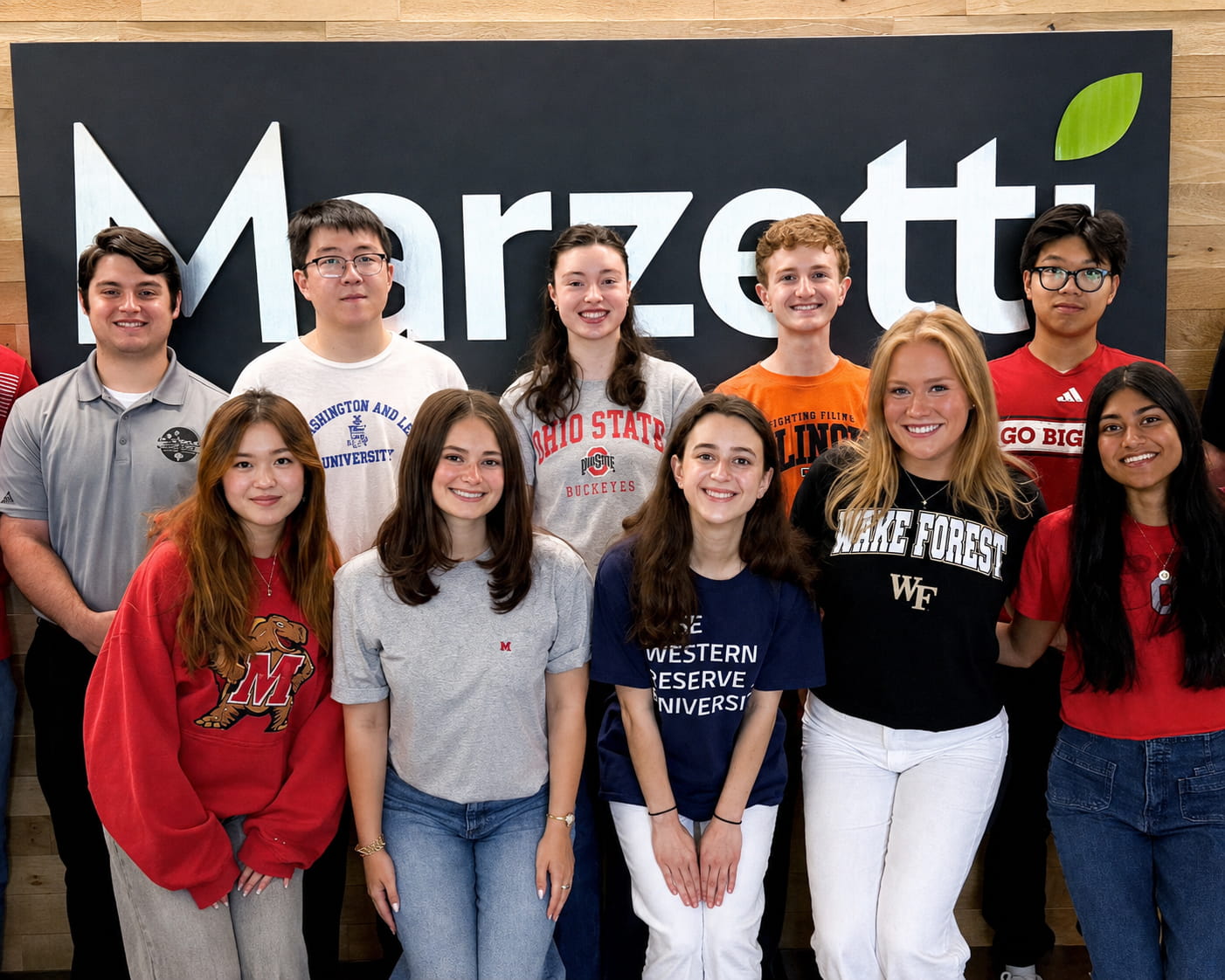
Inside the business, Marzetti describes its values as hunger, respect, courage and humility. The internship program gives those claims a concrete form: students receive business projects, mentoring and professional development. It is a reminder that the capabilities sold to restaurant partners depend on people learning how the operation works, from brand management to the less visible work behind a finished package.
A bottle is easier to move than a dining room
Lancaster Colony sold its last non-food businesses in 2014 and adopted The Marzetti Company name in 2025. The name caught up with the operation. By fiscal 2026, annual sales reached $1.93 billion. That revenue grew 1.1% from the previous year, a measured pace that makes the search for additional demand consequential. Yet the question underneath the business remains surprisingly small: which part of a meal do people want enough to buy separately?
That is the part another operator can copy. Watch what customers ask to take home, establish repeat demand, then build the production and distribution needed to preserve it. The approach becomes expensive guesswork when recognition outruns appetite, or when consistency disappears outside the original kitchen. Teresa Marzetti’s upstairs factory offers a more disciplined starting point: customers were already leaving with bottles.