Consider the least glamorous question in fine dining: who brought the butter? A restaurant can put its chef’s name above the door, describe the farm on the menu and arrange dinner like a small theatrical production. Somebody still has to find the ingredients, consolidate the order and deliver it. The Chefs’ Warehouse has built a substantial business around that somebody.
- The offer: specialty ingredients, proteins and produce for professional kitchens.
- The customer: chefs whose menus depend on particular products and consistent supply.
- The catch: expensive tastes still require disciplined warehouse economics.
The interesting part is the gap between discovery and repetition. Finding an unusual cheese once makes a good dinner story. Supplying it again, alongside the flour and the fish, makes it useful to a restaurant. That gap is where this distributor earns its place.
A basketball player’s interest in butter
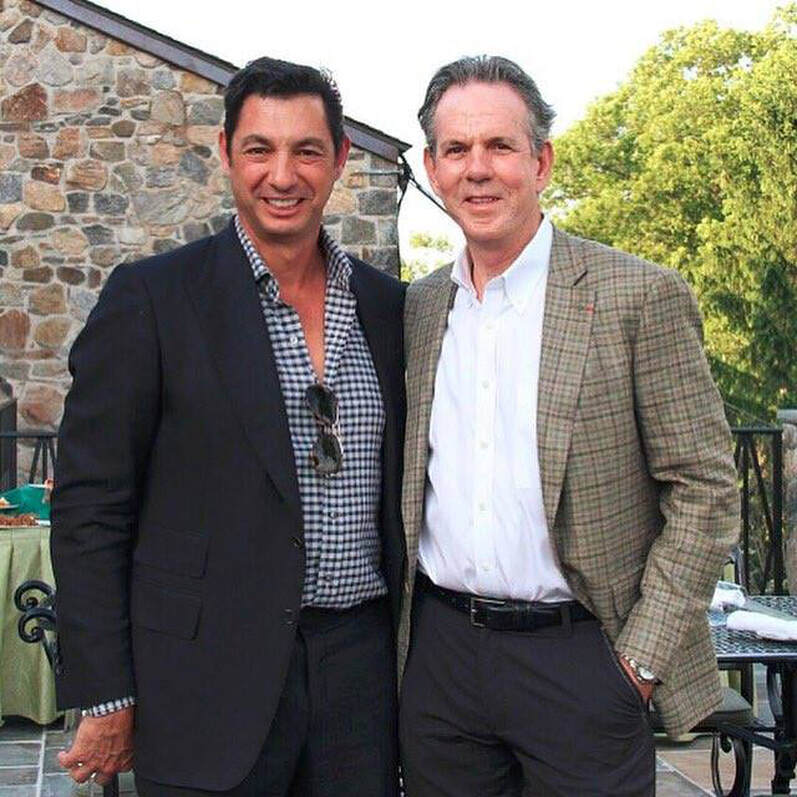
Christopher Pappas played professional basketball in Europe before building a food distribution company with his brother John in 1985. In a 2024 interview, he traced his interest in French cheeses and butter to those travels. Their father had sold eggs, butter and cheese to New York diners; the brothers had helped unload his truck.
The venture began as Dairyland USA. Pappas recalled starting with a van and a truck, and his mother allowing her house to be mortgaged to finance the business. Thomas Keller and Charlie Palmer were among the early customers he named. The practical education came from listening to chefs ask for things.
That origin matters because it locates the customer precisely. The buyer is a professional trying to make a menu work. Product knowledge, availability and a useful conversation can therefore carry commercial weight alongside price.
The rare ingredient needs ordinary company
The assortment runs from charcuterie, cheese, truffles and caviar to chocolate, pastry ingredients, produce and custom-cut meat. In its fiscal 2025 filing, the company reported more than 90,000 stock-keeping units from over 4,000 suppliers. It served more than 55,000 core customer locations, excluding its consumer businesses.
A telling example sits in a product specification: Boiron passionfruit purée, packed six one-kilogram tubs to a case, shipped frozen. The product is romantic on a dessert menu. In procurement it becomes ingredients, pack size, storage requirements and delivery. The distributor must speak both languages.
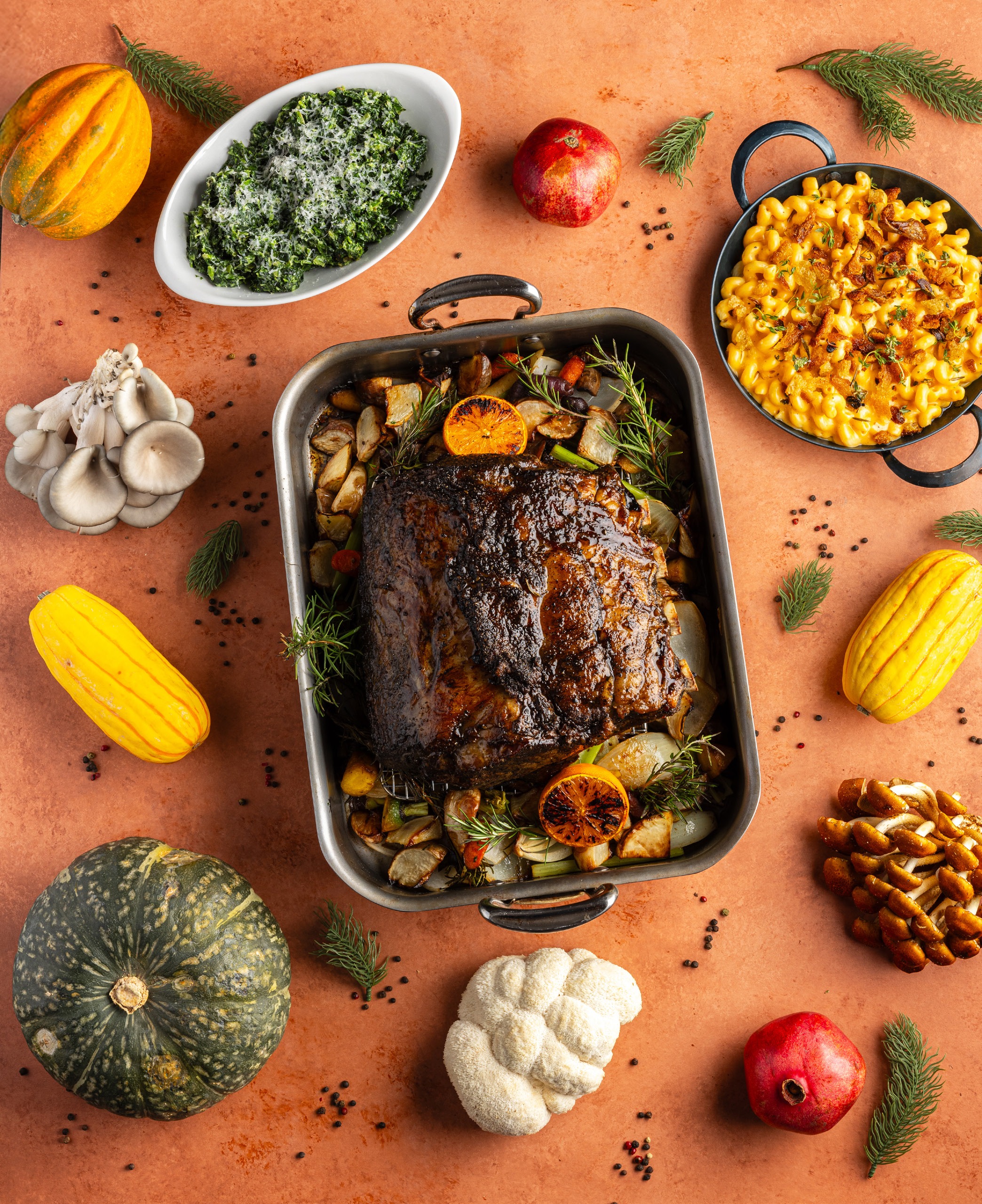
Customers include independent restaurants, hotels, clubs, caterers, bakeries and chocolatiers. The company also supplies culinary schools, casinos and cruise lines. A pastry kitchen and a steakhouse have different shopping lists; both benefit from a supplier that understands why one ingredient cannot casually replace another.
Alongside specialties, Chefs’ Warehouse carries everyday staples. Its stated ambition is to become a customer’s primary food distributor. This puts it between the specialist purveyor with a narrow range and broadline alternatives such as Sysco and US Foods. Specialty selection gives a chef a reason to call; a broader basket gives that chef more reasons to keep ordering.
The bill behind the beautiful plate
The business buys food and resells it. The difference must cover people, storage, transport, spoilage and the cost of financing inventory. Allen Brothers also sells proteins directly to consumers. This is predominantly a distribution business, with physical products and physical constraints.
Acquisitions have expanded its capabilities and territory. The 2022 purchase of Chef Middle East brought operations in the United Arab Emirates, Qatar and Oman. Cash paid at closing was approximately $108.7 million, with additional consideration beyond that initial payment. In October 2025, the company bought Denver’s Italco in a transaction valued at $16.5 million, subject to customary adjustments.
Italco purchase price, October 2025
Rounded acquisition accounting values.
Buying a distributor buys relationships and local knowledge as well as inventory. Keeping those relationships productive takes investment after the deal closes. The useful question is whether the enlarged network makes customers’ orders easier to fulfil while leaving enough profit to pay for the network.
When the dining room disappeared
In 2020, the immediate failure was demand. Restaurants closed or restricted service, and customers stopped buying at their previous pace. Food already in the system could deteriorate while unpaid invoices became harder to collect. The company recorded approximately $14.6 million of incremental inventory obsolescence and $15.8 million of incremental bad-debt expense that year.
Management shifted its financial priorities toward preserving cash and managing working capital. It also launched the Shop Like a Chef home-delivery platform in several markets. On March 25, 2020, it announced food sales to the general public. A supply chain built around professional kitchens was being asked to find another destination.
“We are transforming our company to serve our communities in their time of need.”Christopher Pappas, March 2020
The adjustment illustrates the limits of a niche. Many individual restaurant customers can still share the same underlying vulnerability. A pandemic can interrupt them together, leaving a supplier with the costs of serving a market that has suddenly contracted.
Copy the conversation, then earn the reorder
The transferable lesson is specific: learn what customers cannot substitute, then make those products dependable. For another distributor, that could mean stronger product specifications, better advice or a more useful range around a specialist category. Collecting unusual products without the delivery discipline would reproduce only half the business.
The approach fits customers who value ingredient differences and can support the associated service costs. It becomes less attractive when price dominates the purchase, delivery routes are too dispersed or products move too slowly. The company’s filings acknowledge low switching costs: chefs can buy elsewhere. Each order remains a fresh contest.
Recent growth shows the contest is going its way. Second-quarter 2026 sales reached $1.17 billion, up 12.9%, with organic growth accounting for 12.2 percentage points. Those figures describe an expanding business, rather than merely a larger collection of acquired companies. The next test is wonderfully unglamorous: getting tomorrow’s order right.