A patent is a peculiar kind of promise. It can describe a way to diagnose cancer, deliver a drug or dig beneath the lunar surface. It cannot interview a chief executive. It cannot persuade a hospital to buy anything. Somewhere between an invention and a product, somebody must assemble a company. The Center for Advancing Innovation, or CAI, has made that awkward interval its business.
- Starts with research inventions and recruits teams to commercialize them.
- Combines startup competitions with eight months of virtual business training.
- Serves founders, research institutions and sponsors seeking new ventures.
- Licensing and investor introductions help; commercial success still takes work.
Nine inventions looking for ten companies
The revealing episode begins at the National Cancer Institute. In 2013, NCI entered a Partnership Intermediary Agreement with CAI to evaluate its patent portfolio and recommend ways to market it. Out of that assignment came a different question: could a competition produce the businesses these inventions needed?
NCI, CAI and the Avon Foundation for Women organized the Breast Cancer Startup Challenge. NIH’s 2014 award account records nine NCI patented technologies transferred to launch ten startups. The inventions covered treatments, diagnostics and other approaches to breast cancer. Oncolinx, one of the resulting companies, formed around an anti-cancer toxin. The output was a collection of licensees with work ahead of them.
That distinction matters. A business-plan contest can end with a trophy and a photograph. This one aimed to end with an incorporated company capable of taking responsibility for somebody else’s science. The laboratory supplied an invention. The competition helped supply an organization.
The missing skill was company-building
Rosemarie Truman founded CAI in 2012 after a career in growth strategy that included IBM and management consulting. Her organization occupies an unusual patch of the market: part technology scout, part venture builder, part classroom. Its nonprofit status makes philanthropic and public-sector sponsors central to the arrangement.
A March 2026 analysis by NIH technology-transfer specialist Steven Ferguson, Truman and CAI’s Cody Locke identifies the early bottleneck as licensee capacity. Too few entrepreneurs had the combined skills needed to commercialize complicated biomedical technologies. The authors describe startups struggling with financing, regulation, reimbursement and execution even when their science remained sound.
The practical change was to build and train potential licensees alongside the licensing process. Research institutions gain another route to entrepreneurs. Participants gain access to inventions and people who understand them. Sponsors can direct a challenge toward a health need or an economic-development goal. Each party contributes something the others would find expensive to assemble alone.
A two-minute pitch, then eight months of consequences
CAI describes an eight-month virtual accelerator. Its preparation starts before the entrants arrive: choose a problem, identify inventions, assess commercial potential and confirm availability. Recruitment brings in teams, mentors and judges. A patent portfolio becomes a set of assignments.
Entrants choose inventions and complete agreements. Then come a two-minute video pitch and a short executive summary, followed by a business plan, pitch deck and live presentation. Later stages involve incorporation, licensing, funding applications and management-team decisions. Mentoring runs alongside the competition.
For an aspiring founder, the attraction is concrete: entrepreneurship need not begin with inventing something personally. For an existing startup, the value may be commercial preparation and specialist advice. The virtual format also lets participants train without relocating for the whole program. CAI’s published emphasis on students and underemployed talent gives recruitment a workforce-development purpose.
Compared with a conventional accelerator that selects already-formed companies, CAI can enter earlier, at the point where a team and an invention have yet to meet. Compared with direct patent licensing, it adds organized recruitment and business training. Its expertise lies in managing those connections, rather than manufacturing the eventual products itself.
Space hardware, earthly bills
NASA’s 2016 Space Race shows why the financial details matter. The competition paired selected NASA technologies with CAI’s accelerator and the agency’s startup licensing arrangement. At the time, qualifying startup licenses carried no upfront costs and no minimum fees for three years.
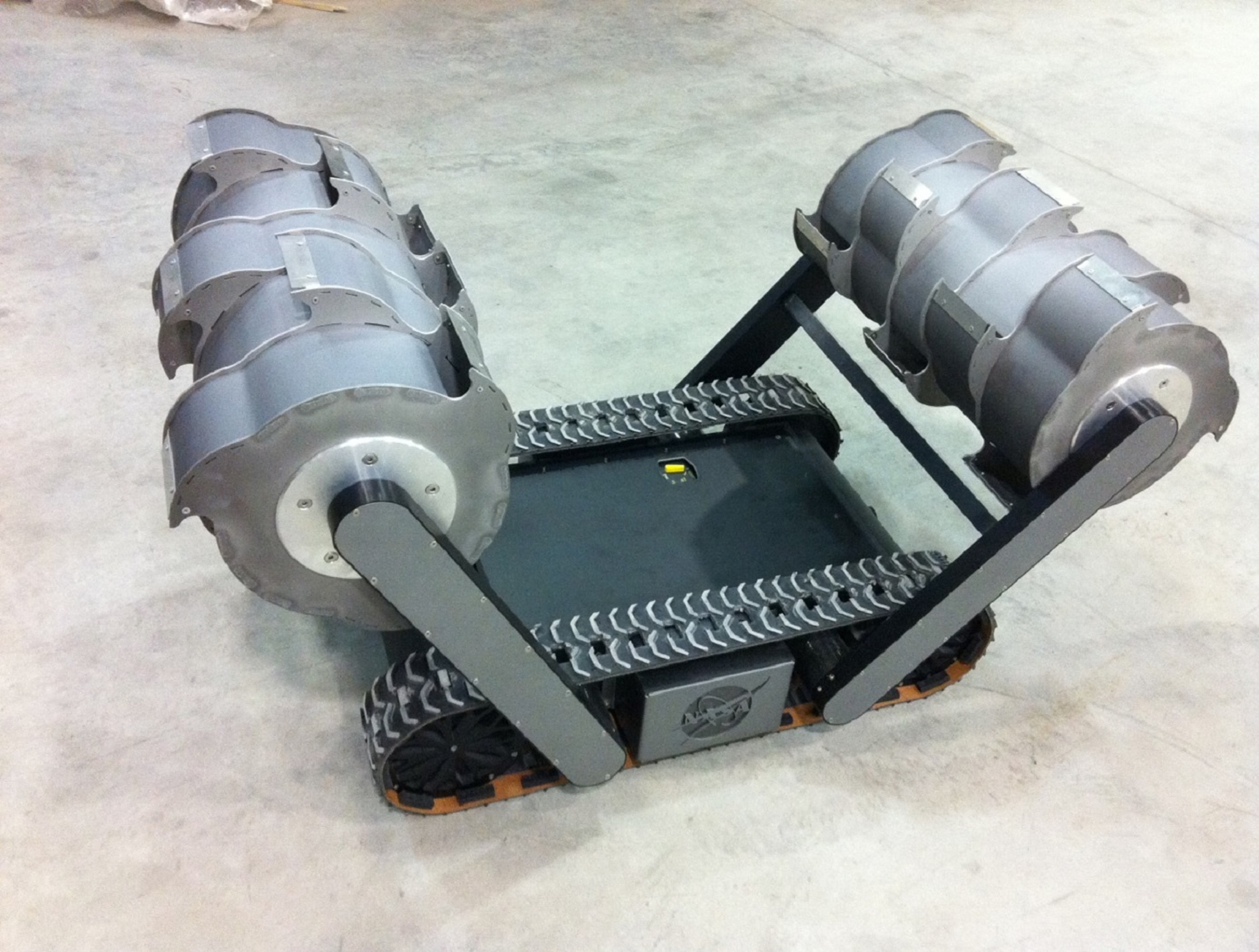
NASA also described $2,500 prize purses and an opportunity for formed companies to seek private capital. Fee deferrals protected early cash; they did not pay for product development. A capable robot still needs a capable balance sheet.
“The majority of NASA licenses are executed by small businesses, and cash flow is one of the most difficult challenges they face.”Daniel Lockney, NASA, 2016
The sponsorship side is equally tangible. The Walton Family Foundation’s 2019 filing lists $799,650 for a supply-chain and logistics innovation challenge. That is a documented grant, rather than a standard price per startup. SCALE, short for Supply Chain and Logistics Enterprises, tied venture creation to Northwest Arkansas’s logistics economy. Its recruitment even included artists. Apparently a supply chain could use someone who sees things differently.
What the numbers buy you - and what they don’t
CAI’s current homepage reports more than 485 startups launched and more than 4,000 entrepreneurs trained. It says 70 percent of its startups are minority- or woman-led. These cumulative organizational figures describe reach and participation. They are useful signals, but a company incorporated is an opening chapter.
CAI’s reported cumulative totals. Formation and training are distinct from product approval or sales.
The next chapter includes the Future of Health Innovation Tournament Challenge, announced in October 2025. The 2026 analysis describes successive rounds for health ventures and participation by new and existing startups. CAI keeps extending the competition format while retaining the original problem: who will turn this research into a business?
A reader can copy the sequence. Confirm that the invention is available. Recruit complementary skills. Test the customer and financing assumptions. Make the plan answerable to outside judges. Then negotiate the license and build. The approach depends on willing research partners, mentors and capital; clinical evidence and regulatory work remain obligations. A tournament can organize effort. The buyer still gets a vote.