The invitation went to the assistants. In May 2025, The A List asked 450 people working around Hollywood’s talent business to come to its Beverly Hills headquarters. Several hundred turned up. There were drinks, introductions and tours of the showroom. For once, the people accustomed to arranging somebody else’s afternoon had an afternoon arranged for them. The gathering was the agency’s fourth annual young Hollywood mixer. The Hollywood Reporter described the scene.
It is a revealing place to begin a story about a company called The A List. The name suggests the person whose arrival gets photographed. The guest list directs attention toward the people who answer the email, compare the calendars and make the arrival possible. If you were drawing a map of influence using only famous faces, this room would be easy to miss.
The mixer brought together junior professionals in talent representation, management and public relations. Sponsors included Bloom Nutrition, Magic Mind and VOSS Water. The event gave attendees an informal setting to meet one another, according to The PR Net’s event account. That distinction matters. A useful gathering gives its guests something to do besides admire its host.
A bag before a business plan
Ashlee Margolis’s route into the business included a detour toward television. After working at Harrison & Shriftman, she pursued a talk-show project while freelancing on talent outreach. Then a former colleague at Coach began sending bags for her actress friends. Store visits followed; eventually, a showroom. Margolis described the progression in an interview with The PR Net. Client work gradually displaced her television ambitions.
The sequence has a useful modesty to it. A brand had products. Margolis had relationships. Somebody had to get the two together. Before that work became a broader agency offering, there was a concrete task small enough to recognize and repeat.
Founded in 2001, the company now describes itself as independent, female-owned and operated. Its stated mission includes using its network to engage with social, environmental and human rights issues. Its team’s experience spans marketing, entertainment, fashion and other disciplines. That is how the company presents its purpose and expertise on its own account, rather than a claim that every campaign produces social change.
The work between the rack and the photograph
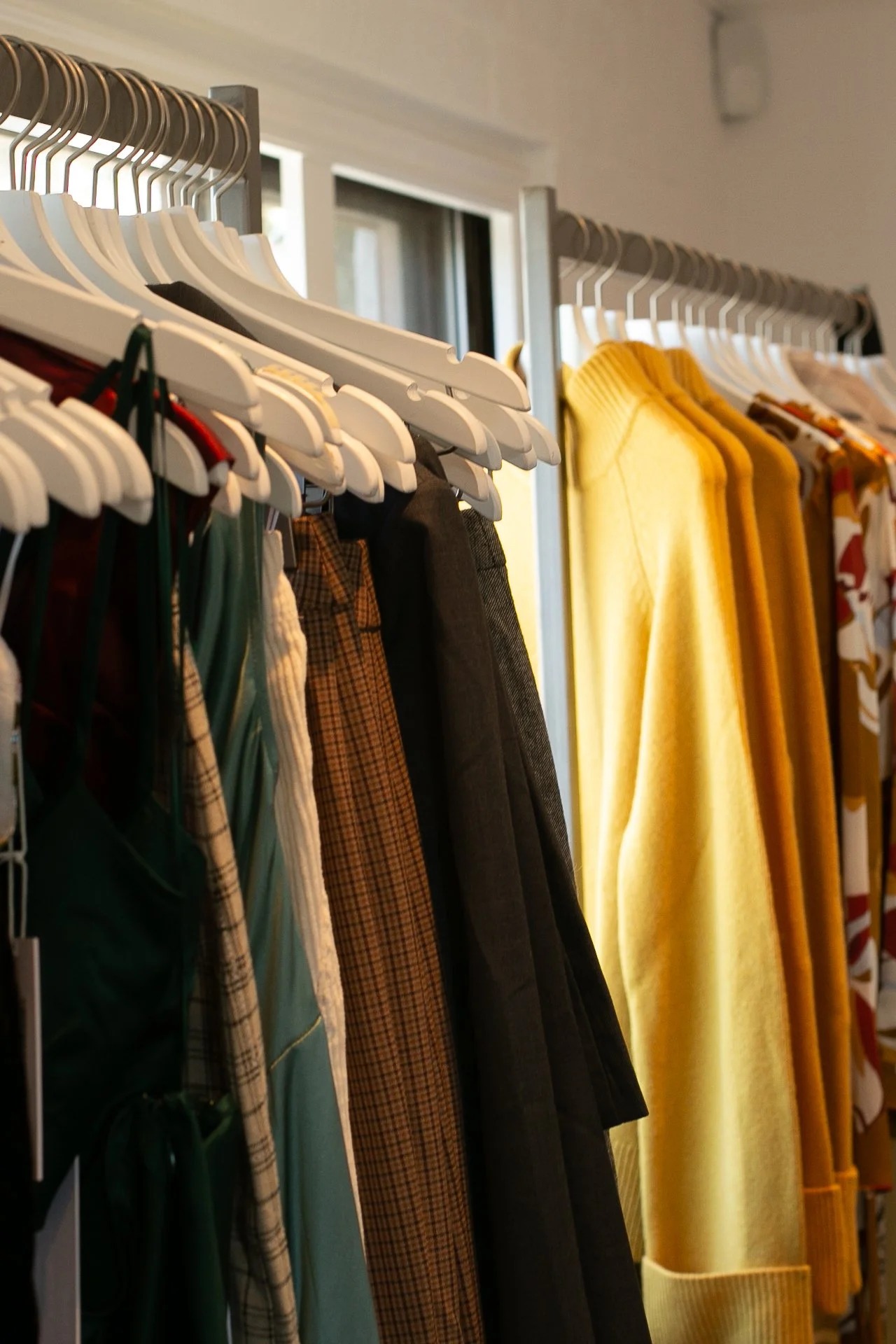
The commercial problem is simple to state and awkward to solve: how does a brand reach a person whose choices might matter to its customers? The A List sells several ways into that encounter. Its private showroom supports dressing and gifting. Its partnerships work includes ambassadors, endorsements and content integrations. Experiences include hospitality programs and store activations; event work includes guest lists, staffing and paid appearances. These are services buyers can commission, rather than a self-service software product.
Think of a fashion brand trying to introduce a collection. A showroom program might make the pieces available for discovery. A paid partnership might specify content. An event might bring selected guests into contact with the brand. Those are different assignments, even when the same person appears in all three. A useful brief begins by deciding which encounter the business actually needs.
Historically named clients include Express, Madewell, Veuve Clicquot and Swarovski. Margolis has also described working alongside conventional PR agencies. That places The A List in a useful middle position: it can supply entertainment relationships to organizations that already know how to handle publicity. In one early Express project, a fashion show curated with Resurrection paired denim with live performances. The point was to give the clothes an occasion. Margolis recounted that work here.
For a buyer, the important distinction is between an opportunity and an obligation. Making a product available is a different purchase from commissioning an appearance. The agency’s menu contains both. Treating them as interchangeable would make even a well-run program difficult to judge.
Hollywood moved. The guest list moved with it.
In a 2025 PR Net video, Margolis recalled asking whether she really needed to work with influencers. The advice she received was yes; she credits the subsequent shift as a major change in the business. Her account identifies a decision, not a documented collapse of the old model. The agency widened the group of people it worked with as influence widened beyond traditional celebrity. The interview is available here.
Another adjustment concerned the organization itself. December 2025 reporting described roughly 45 employees and about 20,000 square feet across four buildings. Jenine Leigh-Pollard had joined in early 2021, bringing more structure to a business Margolis said was already profitable. By the time of that report, The A List had also acquired The Honeyman Agency, adding a luxury showroom business and its stylist relationships. The report describes the expansion.
“Times are changing, and brands need more than just celebrity dressing.”
Shana Honeyman · December 2025
The acquisition gives a useful answer to the competitive question. Margolis had emphasized direct celebrity relationships; Honeyman brought a stylist-centered luxury specialty. Bringing those capabilities together allows a brand relationship to extend into other assignments. That is an argument for the breadth of the offering, rather than evidence that one agency wins every kind of brief.
Then the showroom had another job
After the Los Angeles fires in January 2025, the same combination of space, products and contacts served displaced families. The agency sought donations of clothing and necessities. Harper’s Bazaar reported that two buildings were converted within four days, with appointments organized through Acuity and volunteers accompanying families. Its account describes the relief operation.
In a separate account, Margolis told Modern Luxury that the effort had served more than 400 families at that point, providing clothing and basic supplies. People were paired with personal shoppers. That is a dated snapshot of the relief work, not a final total. The report emphasizes the personal assistance as well as the donated goods.
There is a practical observation here that travels beyond marketing. A company’s useful assets can be surprisingly ordinary: rooms, people who return calls, a way to schedule arrivals, volunteers willing to carry bags. The relief effort put those assets to a different use. The company’s fire-relief page invites brands to contribute clothing and essential products.
Before you ask for a famous face
The A List’s business model is agency work: brands commission expertise and execution, with ongoing programs as well as individual projects. Its hospitality offering explicitly includes retainers. For someone considering this kind of service, the useful cost question is the scope: agency labor, products, production and any contracted talent commitment need to be considered together. That is a buying framework, not a price quote.
A practical brief would specify the audience, the product or experience, the desired action and what counts as delivery. A launch seeking awareness needs a different assessment from a campaign intended to generate immediate purchases. It would be a mistake to promise yourself sales simply because a recognizable person accepted an invitation.
The approach makes most sense when the product belongs naturally in the intended person’s life and the brand has a reason to pursue that audience. A weak fit, a demand for guaranteed organic coverage or a budget that ignores execution would strain the premise. These are implications of the service model, not allegations about a failed A List campaign.
What another business can copy is the attention. Notice the people who coordinate the work. Make the encounter useful for them. Give a relationship somewhere to develop before asking it to deliver a result. The assistants’ party is a pleasantly literal version of that idea: choose the people, send the invitations, and make room.
Step inside the showroom
Explore The A List and its services; follow the company on Instagram, LinkedIn or TikTok.
Watch The PR Net’s showroom interview, listen to Margolis on Heal Squad’s wildfire-relief episode, or browse the 15th-anniversary photo gallery.