A conveyor belt moves things. Ordering one, it turns out, can involve a surprising amount of standing still. In a project described by Tezo, a manufacturer operating across 29 countries faced delays between customer emails, quotations and entries in its enterprise resource planning system. People interpreted messages, transferred details and managed exceptions. The machinery could keep moving while the information waited.
- Tezo builds AI, data platforms and business software for enterprise customers.
- Its useful distinction is engineering across an entire workflow, including the awkward handoffs.
- Its manufacturing example starts with a small discovery: faster quoting still needs better email interpretation.
That small administrative traffic jam is a useful introduction to Tezo, the engineering business formerly called Technovert. Its proposition becomes easier to understand when you follow an actual request through a company. A customer asks for something. Several systems contain parts of the answer. An employee supplies the connective tissue. Tezo sells the engineering that can make those connections less laborious.
The bottleneck before the bottleneck
The manufacturer initially wanted better quote generation and order management. Tezo says its analysis exposed a problem upstream: automating the quote alone would leave people interpreting incoming emails. The brief widened. The delivered system used language models to read inquiries, extract details and generate quotations, then process confirmed orders in the ERP. Multilingual responses extended the approach across markets.
The listed technology is concrete: Azure, Azure OpenAI, LangGraph and Python. Tezo reports an 80% reduction in customer-support operational burden. The interesting part is the scope of the work. Reading a message, understanding its commercial purpose and updating an operational system became connected steps. A quick answer was useful because something could happen after it.
Lower customer-support operational burden
Tezo’s reported manufacturing outcome
For a buyer, the copyable move is to trace the request before specifying the tool. Where does information arrive? Who interprets it? Who retypes it? Which record must change before the customer gets a result? Those questions expose delays that a demo focused on one clever task can easily conceal.
Three practices, one piece of work
Tezo organizes its offer around AI, data and digital engineering. The AI practice builds enterprise assistants, search tools and agents. The data practice connects and modernizes information systems. Digital engineering covers applications, customer experiences and the modernization of existing software. In practice, these are adjacent responsibilities: the assistant needs reliable information, and the answer often needs an application through which to become action.
- 01UnderstandRead the request
- 02ConnectFind trusted data
- 03ExecuteUpdate the system
That places Tezo in the enterprise services market, selling consulting and engineering engagements rather than a single universal AI subscription. Its alternatives include internal development teams, specialist implementation firms and larger digital engineering providers. The buying decision is about the ability to deliver across systems. A model vendor supplies a capability; an engineering partner has to make that capability useful inside a particular business.
Microsoft technology is a recurring strength. Tezo’s older materials describe Microsoft Gold Partner status; its current work includes Azure-based delivery. Its modernization services also emphasize refactoring platforms and using agile delivery teams. The practical appeal is continuity: improving an existing operation while giving it somewhere sensible to go next.
A quick answer was useful because something could happen after it.
This makes the scope of an engagement especially important. Buyers can ask for a demonstration that ends with a completed business transaction, including an exception that requires review. Watching the whole sequence reveals who owns each step and where a person still needs to intervene. It also provides a more useful acceptance test than judging whether an assistant sounds convincing.
The price of a delayed decision
A retail project makes the same argument through pricing. Tezo describes an unnamed US retailer with more than 85 stores and 12,000 SKUs, where spreadsheet workflows and weekly competitive checks slowed decisions. Regional overrides and disconnected commercial teams made margin leakage difficult to see. Here the handoff ran between pricing, promotions, merchandising and inventory.
Tezo built PricePulse, a platform with executive dashboards, pricing recommendations and a scenario modeler. Category managers could approve, pilot or dismiss suggested actions. The company reports $2.1 million in recovered margin within 14 weeks of deployment. That is a reported business outcome, rather than the price of the engagement. A sensible procurement comparison would separately budget engineering, integration, cloud usage, evaluation and ongoing operation.
The distinction matters. A recommendation has little commercial value if nobody can judge it or act on it. PricePulse’s approval workflow puts the manager inside the decision. The software gives the proposal a route to execution, while leaving room to test it before changing prices across a business.
A company that practices building
There is a second thread beneath the services pitch. Tezo describes bootstrapped beginnings on a college campus and a founding goal: “To turn underprivileged youth into world-class developers.” Founder and CEO Vijay Yalamanchili leads a business whose public culture emphasizes learning, experimentation and working alongside clients.
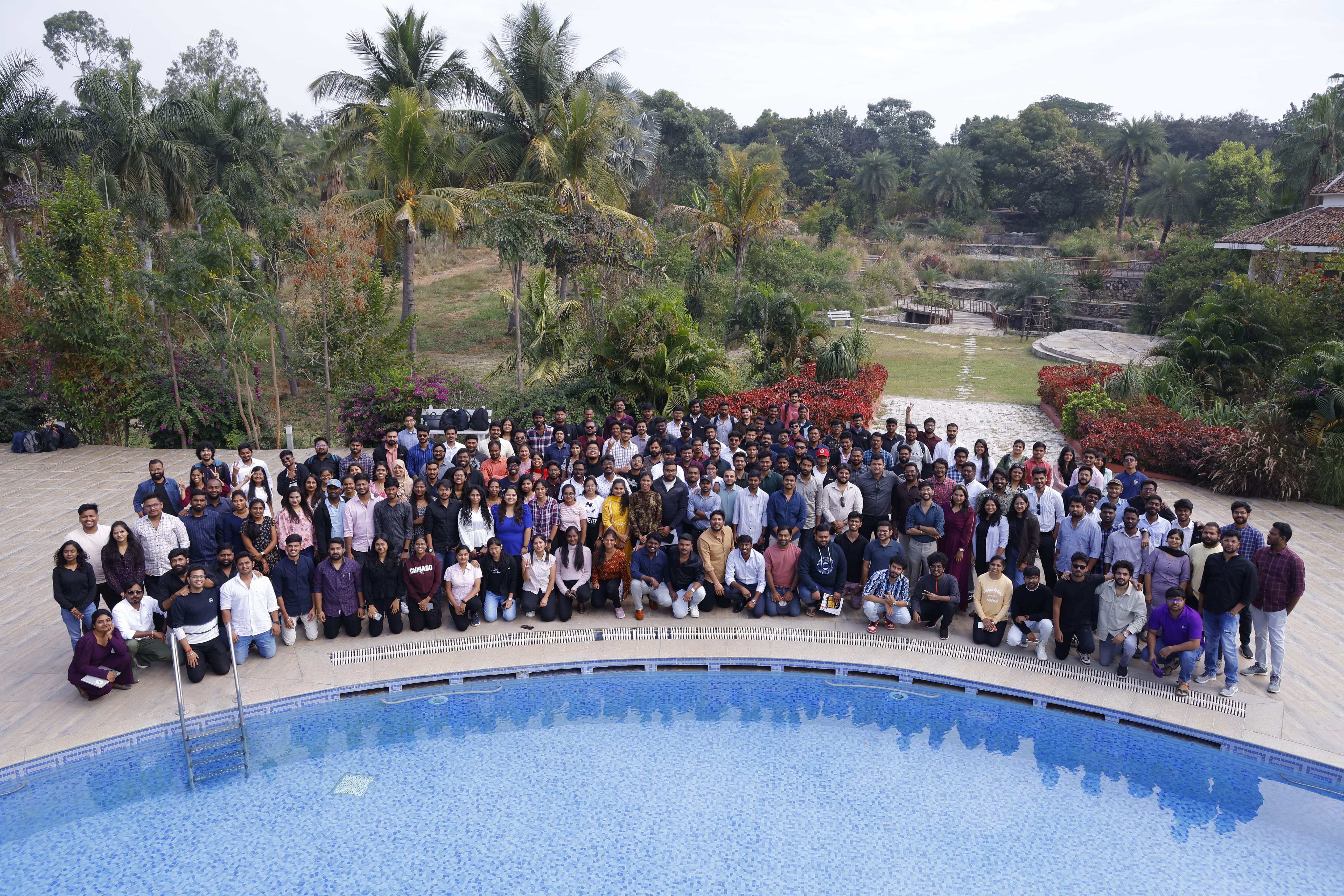
Its labs make that builder identity tangible. Alongside commercial products, the company lists small tools for mock data, backlog prioritization and logging. It also promotes accelerators such as Migrezo for business-intelligence migration and WhatsAppConnect365 for messaging inside Dynamics 365. The commercial logic is straightforward: retain useful components from repeated work, then spend more of the next engagement on the customer’s particular problem.
Read the fine print. Then map the queue.
Tezo’s newer insurance material adds an essential distinction. Its claims automation scenario explicitly identifies a composite client and modeled targets. Those figures illustrate a proposed operating model; they are not measured customer results. Within that illustration, confidence thresholds, editable business rules and human payment authorization show the kinds of controls an enterprise buyer should examine.
The broader approach depends on conditions. An agent needs trustworthy data and permission to reach the right systems. Someone must own exceptions, operating costs and the definition of an acceptable result. Without those, connecting more software can simply move confusion faster. Tezo’s most useful lesson remains wonderfully ordinary: follow the work until you find the first place it waits.
Tezo website ↗ Project stories ↗ Company blog ↗ LinkedIn ↗ X ↗ Instagram ↗ Facebook ↗