The dog needed dinner. In Boston in 2008, software engineer Leah Busque discovered that she had run out of food for her Labrador, Kobe. Somewhere nearby, presumably, was a person who could pick some up. The difficulty was finding that person, agreeing on a price, and making the exchange feel safe. Busque built a company around those missing steps.
- Book local help for assembly, mounting, moving, cleaning, and repairs.
- The pivotal change: replacing bids with a simpler booking process.
- The retail bet: sell assembly when someone buys the thing.
Today, Taskrabbit connects households with independent workers called Taskers. Customers compare profiles, prices, and reviews, arrange a time, and handle messages and payment through the platform. The company reports operations across eight countries. Its practical unit of geography remains much smaller: somebody close enough to come over with the right tools.
01 / The auction nobody wanted to manage
The first version, RunMyErrand, treated a chore as an auction. A customer posted a job; workers bid for it. On paper, this was an elegant way to connect spare time with unfinished work. In practice, someone who wanted an errand removed from their day had acquired a small procurement project.
By 2013, the warning was visible. Users were joining, but bids and task completion were weakening. More people on both sides did not automatically produce more finished jobs. A Berkeley study of the company describes that uncomfortable divergence. The marketplace had attracted attention without making every connection easy enough to complete.
Taskrabbit tested a different approach in London and rolled out its redesign in 2014: clearer hourly rates, matching, and direct booking replaced the bidding system. The change also provoked worker resistance. A familiar way of finding work had disappeared. The lesson for another marketplace operator is specific: track completed transactions, then investigate the steps that stop willing participants from reaching one.
02 / Your wardrobe has a second price
A flat-pack wardrobe costs money. It also costs an afternoon, some floor space, and whatever happens between you and the instruction booklet. IKEA customers were already hiring Taskers to assemble furniture. In 2017, Ingka Group, the IKEA retailer, acquired the company. The purchase price was not disclosed.
The interesting development came at checkout. In February 2025, Taskrabbit announced expanded integration allowing customers in supported markets to book and pay for assembly while buying their furniture. Previously, booking and payment required a separate visit to Taskrabbit. A service that once demanded another errand became part of the original purchase.
“Transforming lives, one task at a time”
Taskrabbit’s stated mission
Taskrabbit reported that 50% more customers added assembly through the new experience. Its IKEA case study also compared baskets containing assembly with those without it: the former were 4.7 times larger. That comparison deserves care. People furnishing an entire room may be more inclined to buy help. It does not prove that adding a booking button multiplies every shopper’s spending.
More customers adding assembly through the new booking experience.
Still, the commercial logic is easy to understand. Someone hesitating over a wardrobe may be worrying about the assembly rather than the wardrobe. Answer that concern while the product is in the basket. The retailer sells an object; the service helps deliver the usable room the customer had in mind.
03 / Put the help beside the purchase
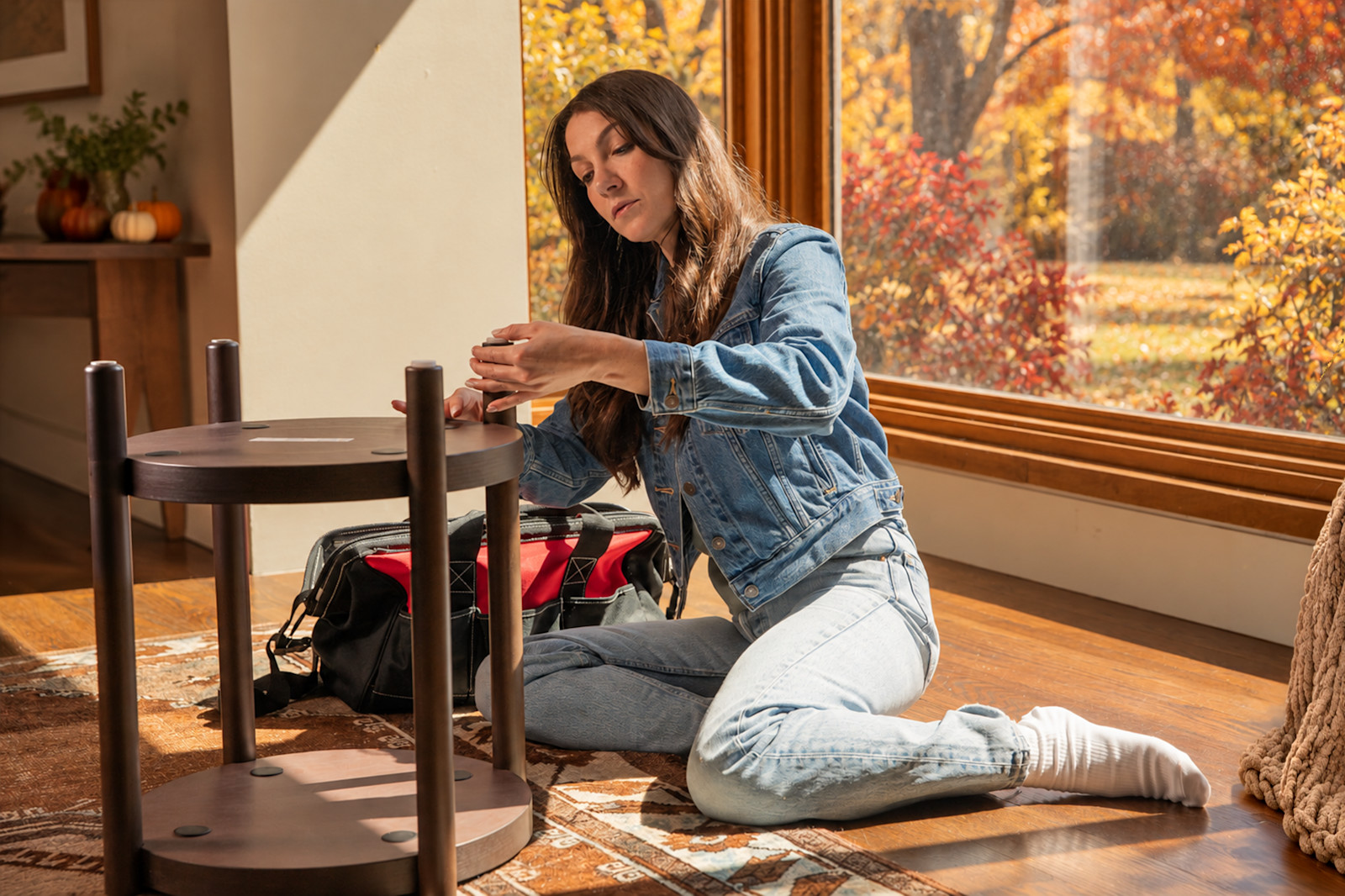
In June 2025, Taskrabbit extended that idea through Partner Pages, co-branded booking pages for retailers including Windmill, TUSHY, UPLIFT Desk, and Arcade1Up. These offered fixed prices and automatic matching. The products differed; the objection rhymed. An air conditioner, desk, or arcade cabinet can be appealing right up until somebody has to install or build it.
September brought a Partner API, allowing services to sit inside a retailer’s own purchase journey. Initial U.S. partners included Burrow, RiteScreen, and Homary. This is a second customer group for Taskrabbit: businesses that want to sell a product without leaving the buyer alone with the setup problem. Its expertise combines local worker supply with booking, communication, and payment infrastructure.
- 01Choose the product
- 02Add the help
- 03Get matched
- 04Enjoy the result
The distinction matters in a market that also includes Thumbtack, Angi, and local specialists. Taskrabbit’s appeal is particularly clear for a bounded job: build this desk, mount that television, help move these boxes. Retail integration puts those jobs in front of people at a moment when the need is obvious. It gives the marketplace a route to customers beyond its own app.
04 / The rate is where the conversation starts
For standard hourly bookings, the bill includes the Tasker’s rate and platform fees, plus relevant expenses and taxes. Taskrabbit’s October 2026 handyman guide lists an average starting rate of about $38 an hour. That is a guide, not a quote for your job. Duration and minimum charges matter. Fixed-price partner bookings follow a different pricing arrangement.
Before booking, describe the work, share photographs, and agree on the scope. A clear brief helps a worker judge the time and equipment required. For Taskers, flexibility comes with the economics of independent work: an advertised hourly rate should not be confused with a guaranteed salary. Travel, tools, and gaps between appointments still occupy the day.
The model needs enough nearby workers, a task that can be described, and a customer willing to pay for the saved effort. A tiny errand may not justify the total charge. A complicated renovation may need a specialist contractor. The useful thing to copy is the placement of help at the moment of need, with a scope both parties understand.
05 / Now bring the sofa inside
Taskrabbit acquired moving platform Dolly in November 2024. In July 2026, it renamed that business Taskrabbit Delivery, retaining a dedicated platform for bulky-item delivery and moving. The direction is consistent: buying, transporting, assembling, and enjoying a purchase are separate jobs. Taskrabbit keeps finding a business in the gaps between them.