An electricity bill arrives as a number. Somewhere behind it sit meter readings, contract terms, network charges, payment records, and the awkward possibility that the customer has started selling electricity back. The invoice is the tidy ending to an untidy process. Tally Group makes software for that process. Its opportunity becomes clearer when you stop looking at the bill and start looking at everything that must agree before the bill can be sent.
- The buyer: energy retailers and utilities, rather than households.
- The job: connect sales, billing, customer tools, and daily operations.
- The useful lesson: clean the data, test the bills, then scale the change.
A bill is a systems problem
The combined business emerged in 2021 from the merger of Agility CIS and Tally. Agility brought established utility experience; Tally brought an energy-retail SaaS platform. Earlier acquisitions, Znalytics and Webtools Energy, added capabilities across markets and quoting. This was an assembly of useful parts, with different histories, brought under a global Tally Group brand in 2022.
Co-founder Andrew Duncan described the original purpose as helping retailers overcome the burden of bespoke, legacy software systems
. The complaint was specific: existing systems were constraining new services and making operations harder. The product had to understand the business of energy, including the rules and exceptions that a general-purpose customer database might leave for somebody else.
Tally Billing handles tariffs, payments, customer information, and market requirements. Acquire covers quoting and onboarding. Digital gives customers usage views and self-service tools. Customer adds CRM and outsourced operations, including billing and settlements. The business model combines B2B SaaS with implementation and services. A retailer can buy technology and operational help from the same supplier.
A simplified view of Tally’s product coverage.
The meter reading written in pencil
The revealing story takes place in Oman. In its account of work with Nama Group and local partner SSL, Tally describes a predecessor-era billing modernisation project appointed in 2012. Some customers used digital services. Others paid at remote kiosks with unreliable internet. Meter readings could arrive in pen and pencil. Accuracy was already a problem before anybody discussed a new interface.
The response was deliberately patient: migrate a pilot group, cleanse meter data, train business users, and run parallel bills across different scenarios. Synchronisation with the old systems protected data integrity during the transition. The full migration followed in 2015. Later, rising mobile adoption prompted a self-service app. The customer’s actual habits helped shape the product.
The invoice is the tidy ending to an untidy process.THE PROBLEM TALLY IS BUILT AROUND
There is a practical lesson here for anyone replacing operational software. A nicer screen cannot repair a questionable meter reading. Test the information and the workflow together. Keep the people who use them involved.
Two free hours, one adjustment
Tally’s abstracted-billing example starts with an appealing offer: two hours of free electricity at a nominated time. Rather than rebuild the retailer’s billing engine, a separate calculation uses consumption and rate data to work out a credit. That adjustment goes back into the existing system. Customers can choose their window through an interface.
The technique gives a retailer room to experiment before committing to deeper changes. It also makes the dependencies plain: the calculation needs usable consumption data, rates, and a working connection to the billing system. For a reader planning a product launch, the transferable idea is to isolate the experiment, reconcile its results, and keep the first test small enough to understand.
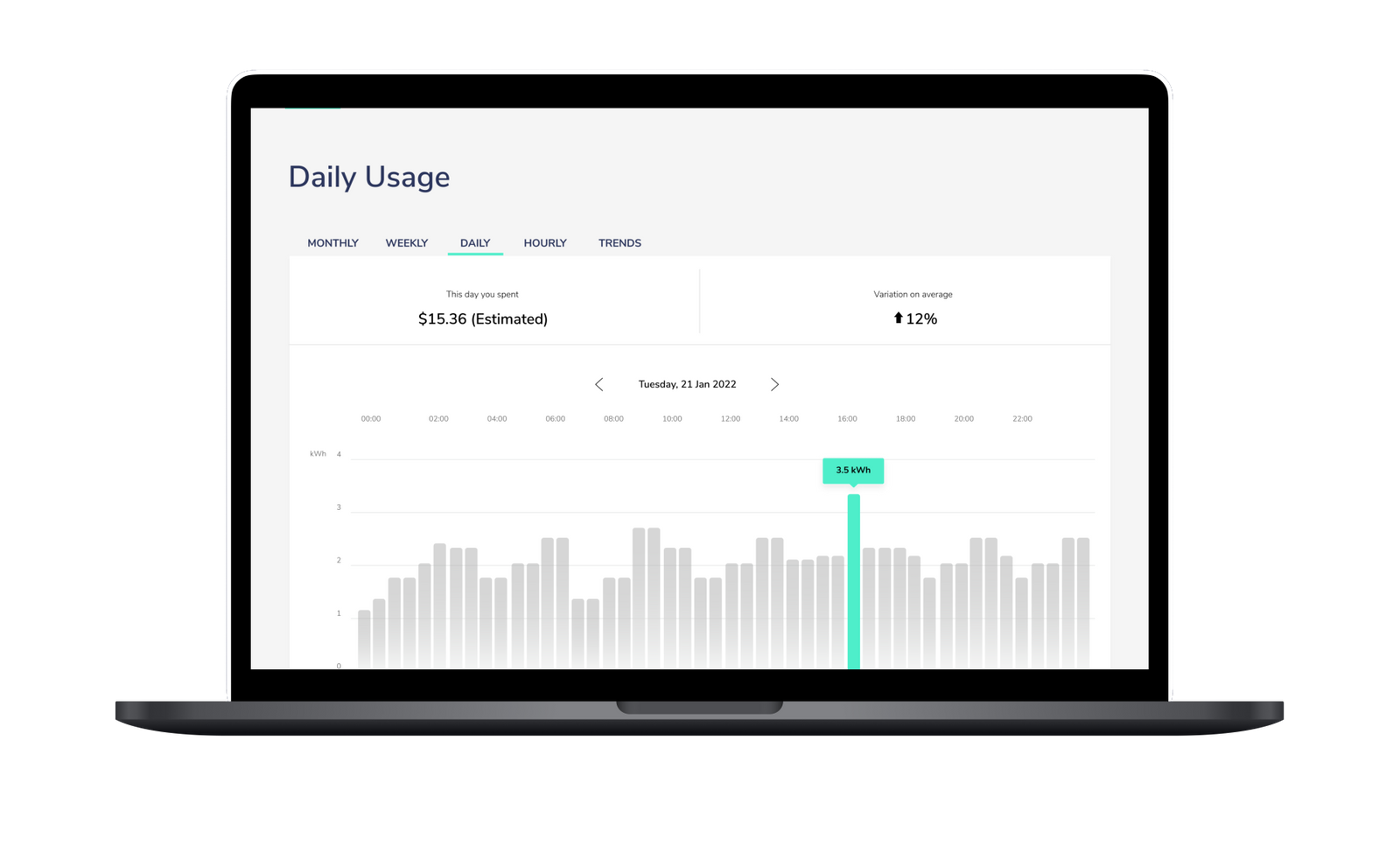
Elsewhere, Tally’s load-disaggregation tools estimate appliance-category consumption from smart-meter data. Behavioural demand response helps retailers ask customers to change usage during peak events. Both depend on translating data into something a person can act on. An estimate needs interpretation; a request needs participation.
Buying the part that already works
In September 2024, Tally announced an agreement to buy Alinta Energy’s CORE billing platform. The deal added a route into mass-market capability alongside Tally’s emphasis on complex commercial and industrial billing. Alinta planned to remain a customer, with some CORE staff transferring. The seller’s stated reasons included reinvesting in its business and streamlining operations.

IFM had announced approximately NZ$50 million of growth investment in 2023 alongside existing shareholders. That capital figure is separate from what a retailer pays to implement Tally. Buyers are directed to a demo-led sales process. The sensible commercial questions concern migration, integration, operations, and ongoing service as well as the software contract.
This is a competitive category. Kraken, Gentrack, and Oracle Utilities also supply billing and customer platforms. Tally’s case rests on its particular combination of complex tariffs, customer tools, operational services, and the capabilities added through CORE. A buyer still has to test that combination against its own market and contracts.
One concrete deployment arrived in July 2025: Tally announced the SEC’s digital retail platform go-live in Victoria. It supports a commercial and industrial portfolio of more than 4,000 government sites, with customer self-service, tariff optimisation, and behavioural demand response. Schools, hospitals, and public lighting make the operational stakes easy to picture.
A shorter route through the call centre
The newer Adora AI work targets another bottleneck. Google Cloud’s case study describes service agents navigating as many as six applications during calls averaging 20 minutes. Adora combines usage analysis and operator guidance with a shared data foundation. Google reports average handling times below four minutes; Tally describes the results on LinkedIn as an early pilot.
Google Cloud case study; early-pilot context described by Tally. Results depend on deployment.
That is a promising result for a particular workflow, rather than a promise about every utility. The enduring idea is simpler than the technology: put the information needed to resolve a problem within reach of the person resolving it. Tally’s business lives in those connections. The customer gets a bill. The hard work is making it make sense.