wastewater-treatment
(7)
Matias Sjögren Built a Water Company Around Nature’s Unfashionable Workforce
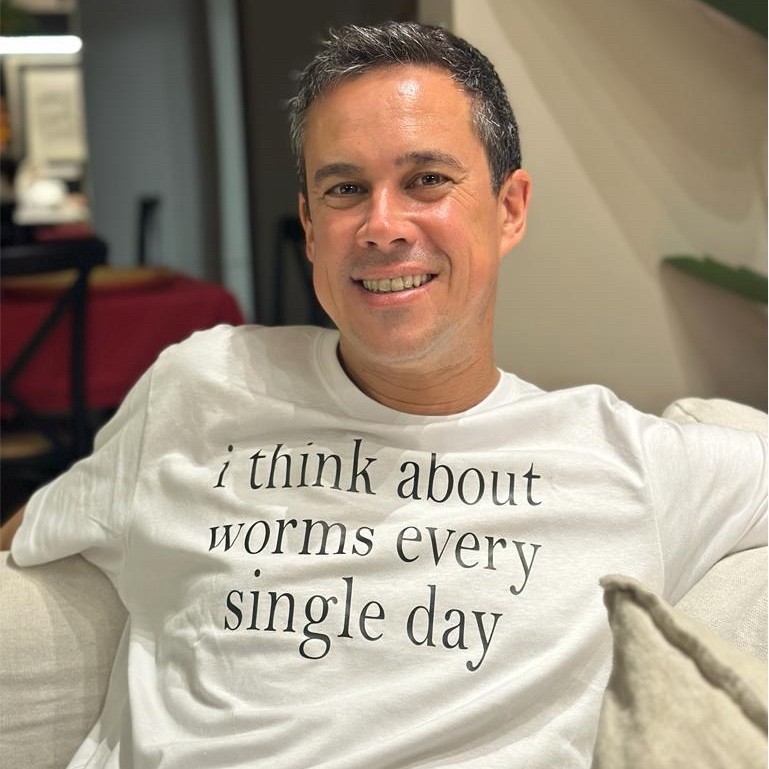
He left a family office after seeing a worm-filled filter at his father’s house. Fifteen years later, BioFiltro is turning that unlikely encounter into water infrastructure financed by long contracts, carbon credits and a $35 million investment.

Alex Rappaport Bet on the Water Nobody Wanted
He started as a river guide, found a neglected piece of university science, and built ZwitterCo around an unglamorous industrial problem: filters that foul. The useful lesson is less about having an idea than learning how to carry one into the world.

BioFiltro Put Earthworms on the Wastewater Payroll - Now a $35 Million Bet Is Testing Whether Nature Can Beat the Tank
The Davis company turns manure and process water into a four-hour biology lesson. The memorable part is the worms; the consequential part is a business model built around cleaner water, lower methane, and infrastructure customers do not always have to own.

Aaron Tartakovsky
Aaron Tartakovsky is turning the least glamorous room in a building into a small piece of urban infrastructure - and using beer to persuade the rest of us to look.

Epic Cleantec
Epic Cleantec is a San Francisco cleantech company that builds onsite water reuse systems for buildings, letting towers and campuses recycle up to 95% of their own wastewater into clean non-potable water, recovered heat energy, and organic soil products. Its OneWater platform installs treatment in the basement so showers, sinks, and laundry water get reused on site instead of flushed to a distant plant. The company got famous for turning recycled building water into commercial beer, and it counts high-rise developers as its core customers.

Moleaer Inc.
Moleaer is a California-based cleantech company that pioneered the industrial-scale production of nanobubbles - gas bubbles roughly 2,500 times smaller than a grain of salt. Its patented nanobubble generators inject oxygen and other gases into water with extreme efficiency, helping farms, fish operations, wastewater plants, lakes and industrial sites use less water, fewer chemicals and less energy. Founded in 2016 and led by CEO Nick Dyner, Moleaer has deployed thousands of systems across more than 55 countries and raised about $61 million through a 2022 Series C led by Apollo funds, followed by a 2025 global partnership and strategic investment from water-tech giant Xylem.
CREW Carbon
CREW Carbon is a Yale-spinout water and climate technology company based in Hamden, Connecticut. It retrofits municipal and industrial wastewater treatment plants with a closed-system enhanced-weathering process: dosing alkaline minerals into wastewater to convert dissolved CO2 into stable bicarbonate. The approach lowers operating costs and improves treatment performance for utilities while permanently and measurably removing atmospheric carbon, which it sells to corporate buyers as durable carbon removal credits.