university-spinout
(7)
Spin Memory’s unforgettable chip had a cash problem
Spin Memory wanted computer memory to keep its speed and lose its power bill. Arm backed the idea. Applied Materials backed it too. Then the long journey from clever physics to paying customers ran out of road.
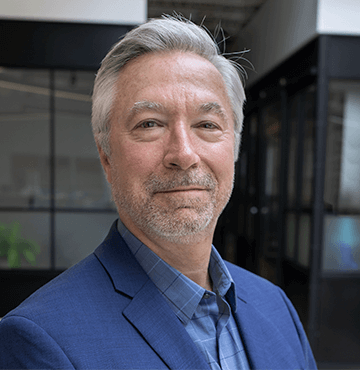
Loren Burnett Is Teaching Concrete to Borrow a Trick From the Sea
After five exits, the Colorado founder chose a harder material problem: turning microalgae, mineral chemistry and patient commercialization into concrete with a smaller carbon bill.
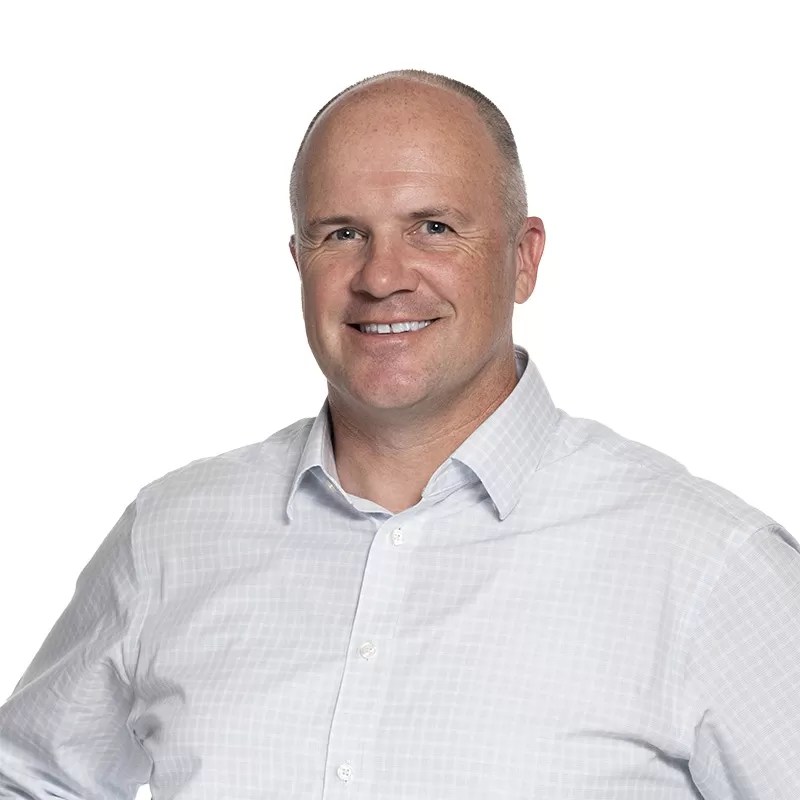
Kieran Furlong Is Building a Star in an Old Hot-Dog Factory
The Irish chemical engineer spent a career turning laboratory ideas into businesses. Now he is betting that a straight magnetic bottle, Wisconsin manufacturing, and patient capital can make fusion useful.
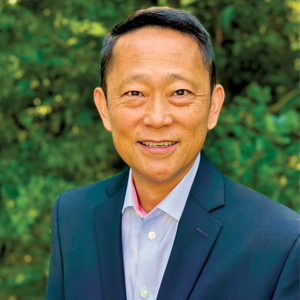
Thomas Han Built a Biotech Career at the Hand-Off
Thomas Han spent decades learning how medicines move from a promising idea to a durable business. At Peroxitech, he is applying that education to the hardest hand-off in biotech: turning university science into a company that can keep moving.

Haley Keith Put a Business Brain Inside the Materials Lab
She met graphene in an MBA classroom, built a company with her husband, and spent a decade translating microscopic chemistry into products manufacturers could actually use. Now MITO's sale to First Graphene gives that patient work a global runway.

Peroxitech Put $25 Million Behind a Nine-Amino-Acid Bet on Saving Injured Lungs
The Philadelphia spinout is trying to stop acute lung injury before oxidative damage snowballs. Its unusually small peptide has survived mice, pigs and a $25 million financing - but the decisive human test still lies ahead.
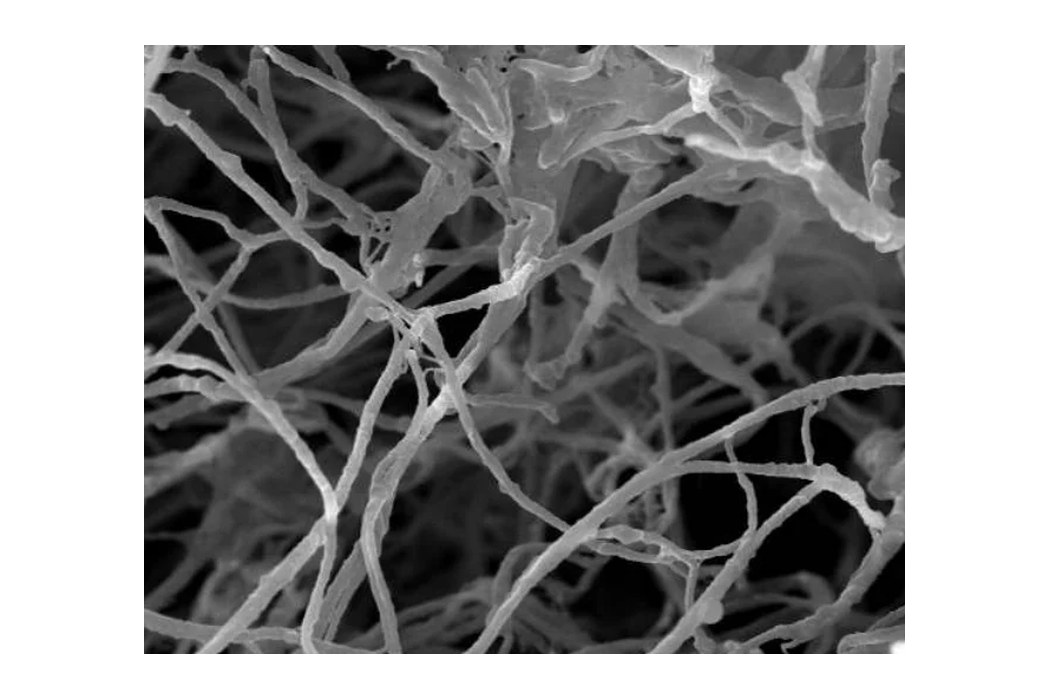
Ventrix Put Pig-Heart Scaffolding in a Catheter. Now Comes the Hard Part.
A tiny San Diego biotech turned the heart's natural scaffolding into an injectable material, survived the first human test, and then redesigned the delivery. The idea is elegant. Proving it works at scale is the expensive part.