toronto-tech
(9)
Lada Leitsius Learned to Market Technology by First Learning to Tell a Story
Before she marketed engineers, Lada Leitsius edited stories, shaped brands, and helped turn a modular furniture idea and a mobile bank into award-winning communication. Now, as StartupSoft’s CMO, she works where narrative meets a distributed technology business.

Moody Abdul Is Building AI for the Work Around the Work
The Klarify co-founder has moved from selling enterprise software to automating meetings and, now, the back office of therapy. His bet is simple: AI earns its place by returning attention to people.

Nick Stein Turned a Reporter’s Instinct Into a Career Building Tech Narratives
Before Nick Stein built marketing teams at five technology companies, he learned to chase facts at Fortune and CBC. His durable advantage is knowing that a company narrative only works when reality can carry the plot.
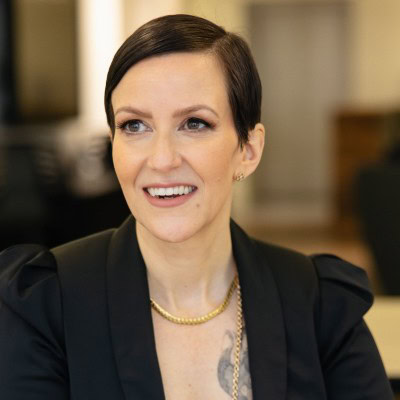
Danielle Brown Came Back to a Different Marketing Scoreboard
After a year away, the Toronto CMO returned to an industry being rewritten by AI. Her answer is the same operating discipline she has carried from music to loyalty to SaaS: connect the creative work to revenue, tell the truth about the numbers and keep enough nerve to trust your gut.

Chuck Tatham’s Two-Decade Bet: Make Waste Visible, Then Make It Actionable
From Lotus and Changepoint to Kubex, the Toronto software executive has built a career around a stubborn enterprise problem: data is only valuable when someone can act on it.

Sunny Han Has Spent 13 Years Making Strange New Light Feel Familiar
Before Nanoleaf’s panels became a familiar backdrop for gaming rooms and smart homes, Sunny Han had to explain a light bulb that looked like folded paper. Her career is a lesson in translating unfamiliar hardware into something people can picture in their own lives.

Lorena Magee Makes Encryption Make Sense
The Echoworx chief marketing officer has spent years turning an invisible technology into a human proposition: trust should be easy to use, simple to explain and difficult to break.

Carrie Shaw Built a Career at the Hyphen Between Code and Story
Before AI became every marketer's favorite noun, Carrie Shaw had spent decades learning how software earns trust: understand the person using it, find the few things that matter, and tell the truth clearly.
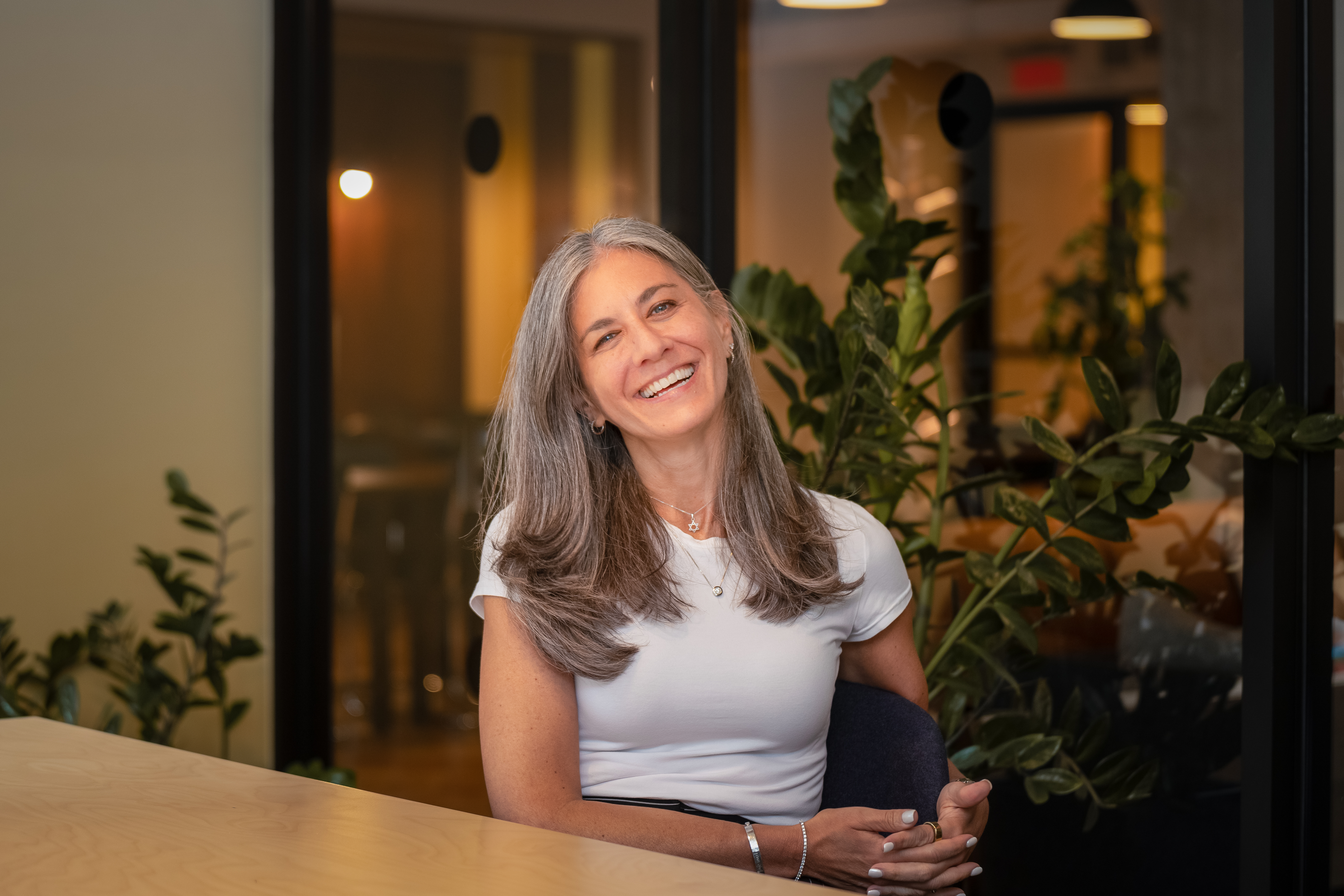
Ruth Zive Is Teaching AI to Find Its Human Voice
The four-time CMO built her career by making marketing answer to revenue. At Voices, she is asking a harder question: when software speaks for a brand, who protects the person inside the sound?