third-rock-ventures
(7)
Adam Townsend
He spent two decades launching other people's medicines. Now he is running a biotech built to delete the antibodies that make patients sick - and taking the top job for the first time.
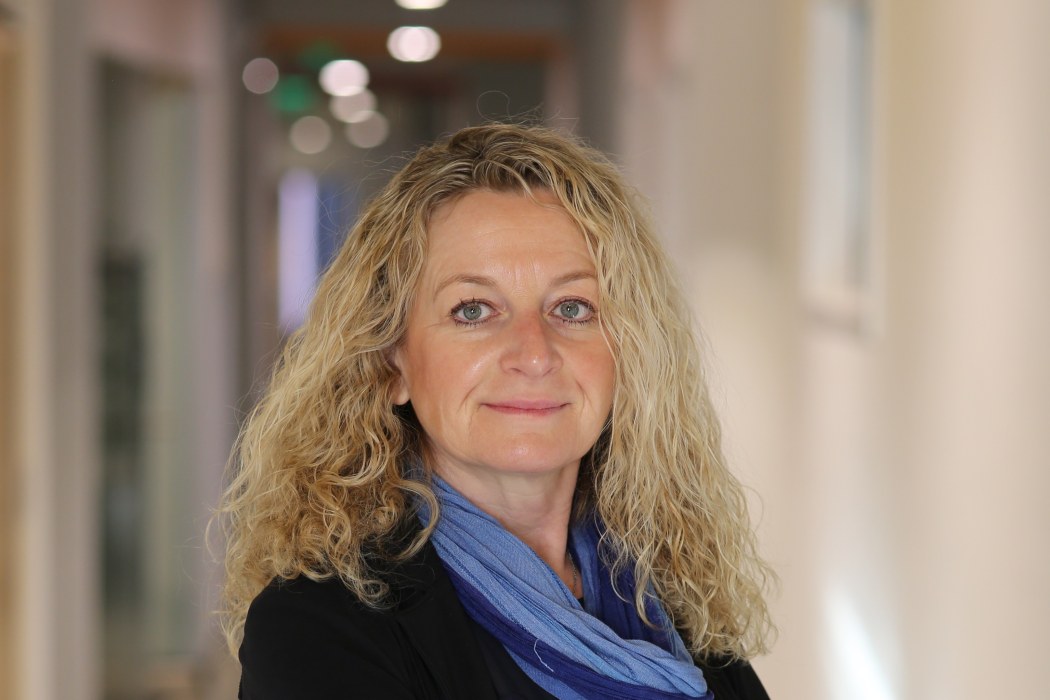
Dominique Verhelle
Dominique Verhelle is a French-born scientist and biotech entrepreneur who co-founded and leads NextRNA Therapeutics, a Boston company building small-molecule drugs that target long non-coding RNA to treat cancers and neurological disorders. With a PhD in life sciences and an MBA in entrepreneurship, she has spent more than two decades across big pharma, venture capital, and startups - including Celgene, Pfizer, Third Rock Ventures, and Takeda - and helped launch Fulcrum Therapeutics and Cedilla Therapeutics before starting NextRNA. She is also an outspoken advocate for women founders in biotech.
Jack Milwid
Jack Milwid is a scientist-turned-company-builder who sits in the Office of the CEO at Lila Sciences, the Flagship Pioneering venture chasing 'scientific superintelligence' through autonomous AI-run laboratories. A materials engineer with a Harvard-MIT PhD, he has spent his career founding biotech companies from scratch - among them Sana Biotechnology, Neon Therapeutics, Cobalt Biomedicine and Kaleido Biosciences - and co-founded the investment firm Related Sciences. His trademark is turning early science into operating companies.
Robert Ross
Robert Ross is a medical oncologist turned biotech executive and the founding CEO of Clasp Therapeutics, a Baltimore-based clinical-stage immuno-oncology company building bispecific T cell engagers that target mutated cancer driver peptides presented by HLA with what the company calls absolute specificity. Launched in March 2024 with a $150 million Series A from Third Rock Ventures, Novo Holdings and Catalio Capital, Clasp is commercializing science from Johns Hopkins legends Bert Vogelstein and Drew Pardoll. Ross previously ran Surface Oncology through its acquisition by Coherus, led oncology at bluebird bio, and trained as a physician at Columbia, Harvard, Stanford and UCSF.
Eric Green
Eric Green is the Founder and CEO of Trace Neuroscience, a South San Francisco biotech company racing to develop the first effective ASO therapy for ALS. A Harvard-and-Stanford-trained physician-scientist with a background in cardiology, Green co-founded iLab Solutions (acquired by Agilent), Respira Design (Stanford $50K Challenge winner), and Maze Therapeutics before launching Trace with a $101 million Series A in November 2024. Trace's lead program targets UNC13A - a protein lost in ALS patients - using an antisense oligonucleotide designed to restore healthy nerve-muscle communication. With clinical trials targeting early 2026, Green is betting human genetics can do for ALS what it did for heart failure.

Josh Lehrer
Josh Lehrer is a physician-scientist and biotech executive serving as CEO of Marea Therapeutics, a clinical-stage company harnessing human genetics to develop first-in-class medicines for cardiometabolic diseases. A cardiologist by training with degrees from Harvard, Cambridge, and UCSF, Lehrer brings over two decades of drug development experience spanning Genentech, Global Blood Therapeutics (where he oversaw the FDA approval of Oxbryta for sickle cell disease), and Graphite Bio. At Marea, he has led the company from a Third Rock Ventures incubation to a $190 million-funded enterprise with two clinical-stage programs showing strong early efficacy data, including a 53% reduction in remnant cholesterol with MAR001 published in The Lancet.
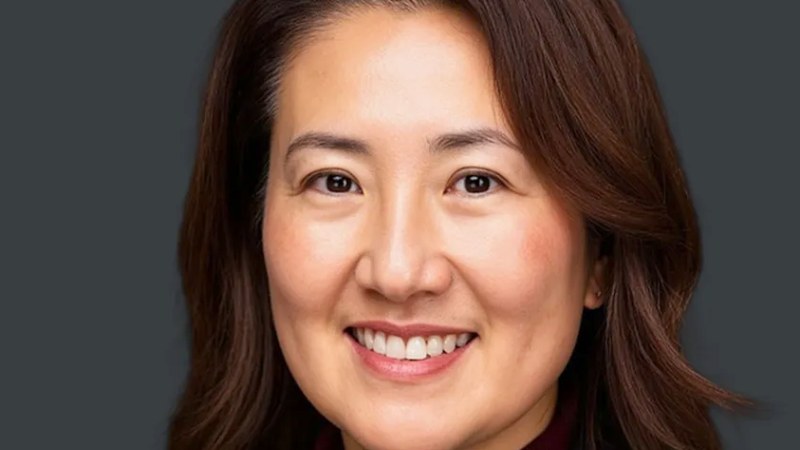
Jung Choi
Jung Choi is the President and CEO of Alterome Therapeutics, a clinical-stage precision oncology company pioneering mutation-specific cancer drugs. With over 20 years in biopharmaceutical leadership - spanning Gilead Sciences, InterMune, Chimerix, and Global Blood Therapeutics where he led a $5.4B Pfizer acquisition - Choi brought deal-making, strategy, and operational depth to Alterome when he was appointed CEO in April 2025. Under his leadership, Alterome has advanced two first-in-class inhibitors into Phase 1/1b trials targeting KRAS and AKT1 E17K oncogenic drivers, backed by $231M in total funding including a $132M Series B.