theoretical-physics
(9)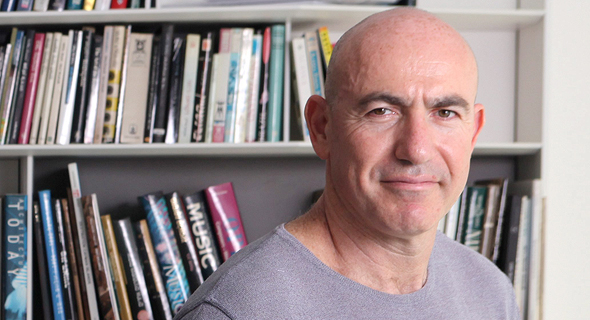
David Gershon and the price of knowing
A physicist took a trader’s irritation and built SuperDerivatives around it. After a $350 million company sale, David Gershon returned to the classroom - and found another reason to start again.
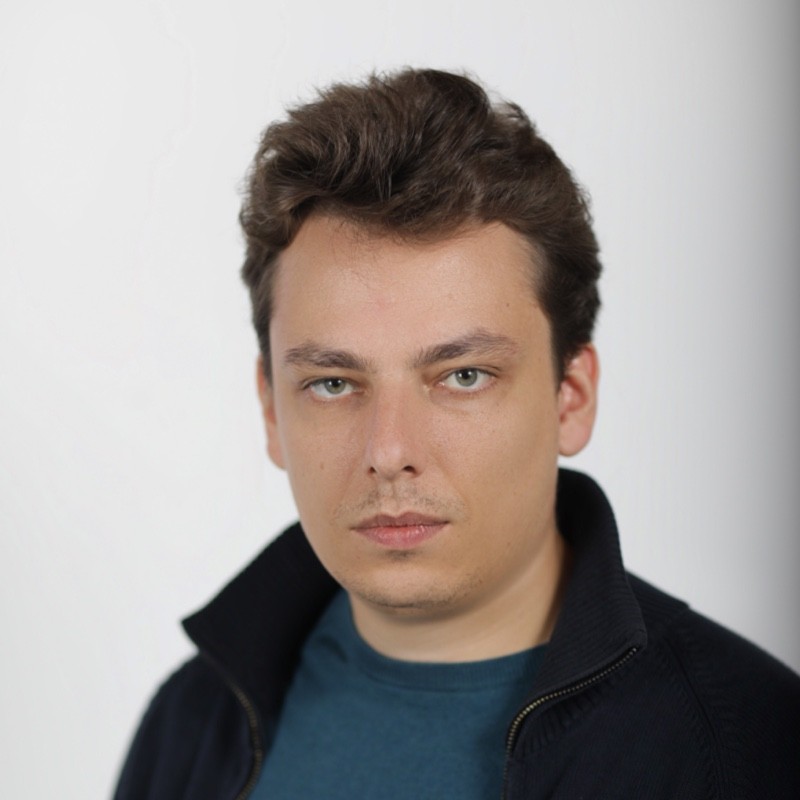
Stanislav Poslavsky and the distance between a question and an answer
He built software for the mathematics of particle physics. At MiLaboratories, Stanislav Poslavsky is working on another difficult calculation: how to put scientific tools in the hands of the people asking the questions.
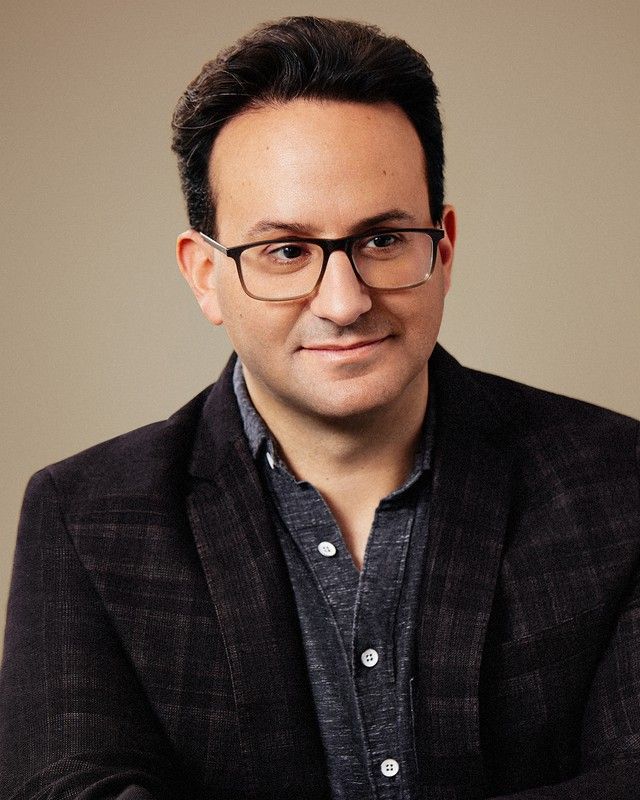
Jared Kaplan Found a Law for Intelligence. Then Came the Fine Print.
A physicist went looking for equations that could keep researchers honest. He found curves that helped remake artificial intelligence - and inherited the harder problem of deciding what their ascent permits.
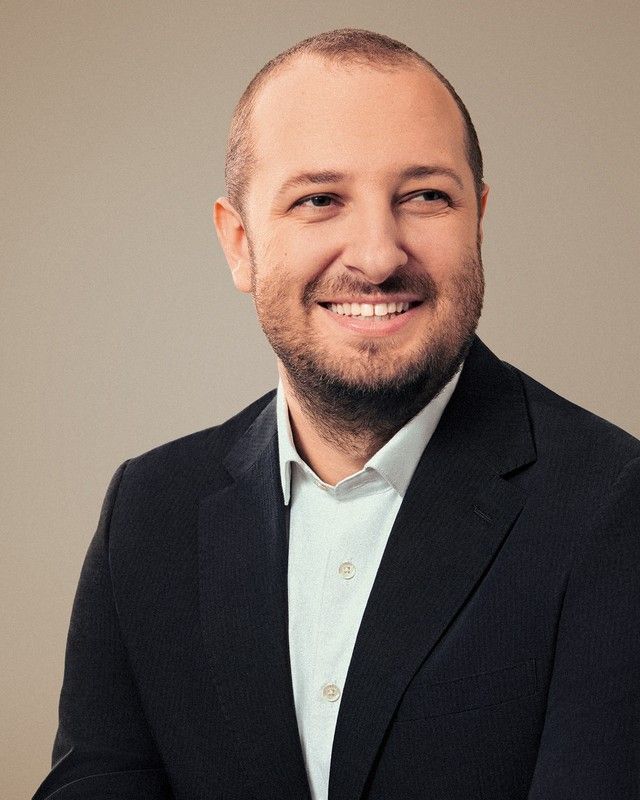
Sam McCandlish Found a Ruler for Intelligence - Then Tried to Build the Guardrails
A physicist trained to see depth in flat surfaces helped turn neural-network growth into something measurable. Now Anthropic's Chief Architect works on the harder sequel: making immense systems useful, legible, and governable at once.
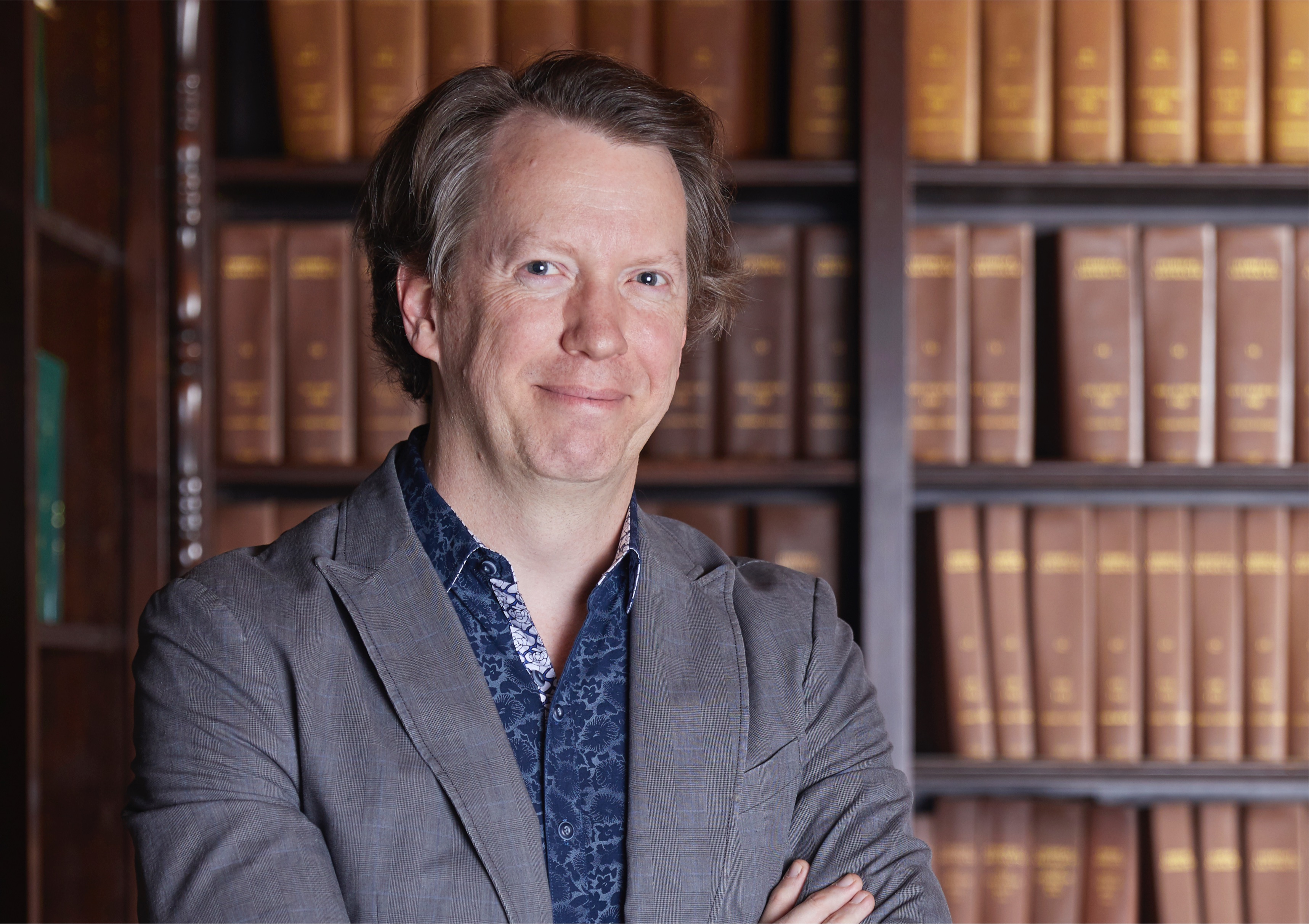
Sean Carroll Wants the Equations Left In
The physicist and philosopher has spent his career refusing the false choice between rigor and wonder. His trick is simple to describe and hard to copy: keep the equations, invite everyone in, and let the questions stay difficult.
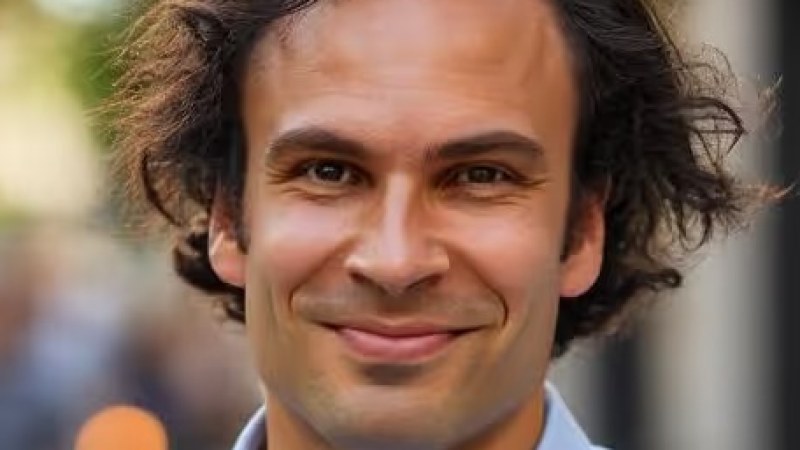
Janos Perczel
Janos Perczel is a theoretical quantum physicist turned education entrepreneur. After earning a PhD from MIT working on invisibility cloaks and cold-atom quantum systems under Mikhail Lukin at Harvard, he co-founded Polygence in 2019 with Jin Chow. The company pairs high school students with PhD mentors for one-on-one research projects, and now reaches tens of thousands of students worldwide. As CEO he has pushed Polygence into AI, releasing TeachLM, a language model fine-tuned on 100,000 hours of real one-on-one tutoring data.
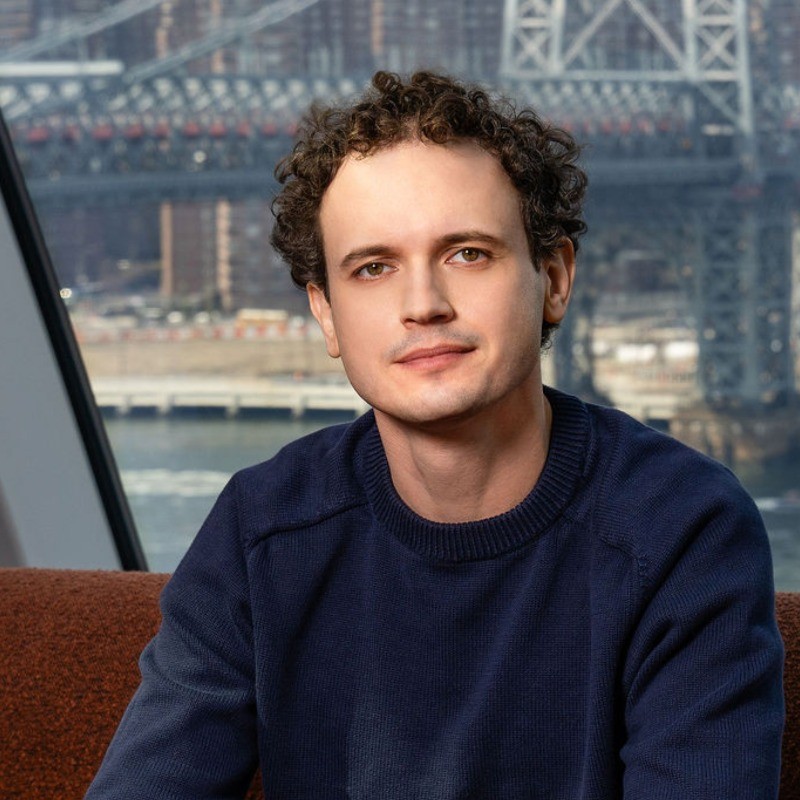
Misha Laskin
Misha Laskin is the co-founder and CEO of Reflection AI, a New York lab building open-weight frontier models and autonomous coding agents. A theoretical physicist by training (Yale, University of Chicago), he led reward modeling for Google DeepMind's Gemini and worked in reinforcement learning at Berkeley and DeepMind before launching Reflection in 2024 with AlphaGo co-creator Ioannis Antonoglou. In 2025 the company raised roughly $2 billion at an $8 billion valuation, positioning itself as America's open-source answer to DeepSeek.
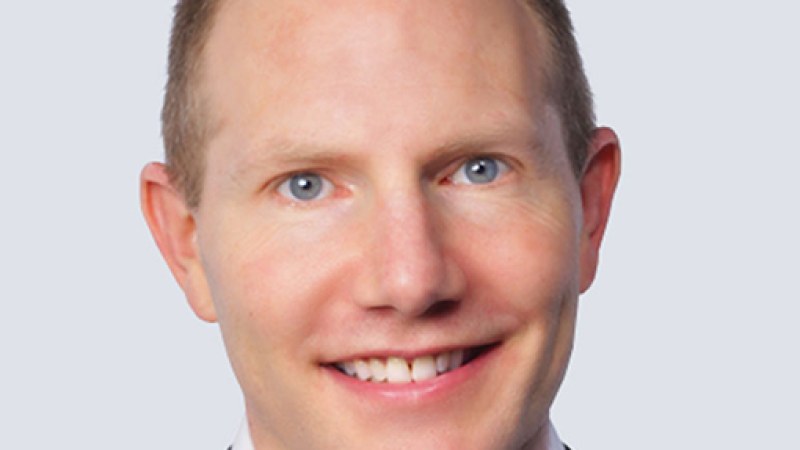
Schuyler Cullen
Schuyler Cullen is the co-founder and CEO of Summer Robotics, a Campbell, California machine-vision company building Kortx, a camera-free perception system that uses lasers and event sensors to give robots animal-like sight at 100Hz, 100-micron precision, and 20ms reaction time. A theoretical physicist by training with a Caltech double major and a Stanford PhD in string theory, Cullen spent two decades turning hard math into shipping technology - co-founding the video-recognition startup Keystream and leading AI and Robotics at Samsung, where he built the autonomous-mobility stack for the company's robots and cars. In 2025 Summer Robotics raised a Series A led by Applied Ventures, the venture arm of Applied Materials.
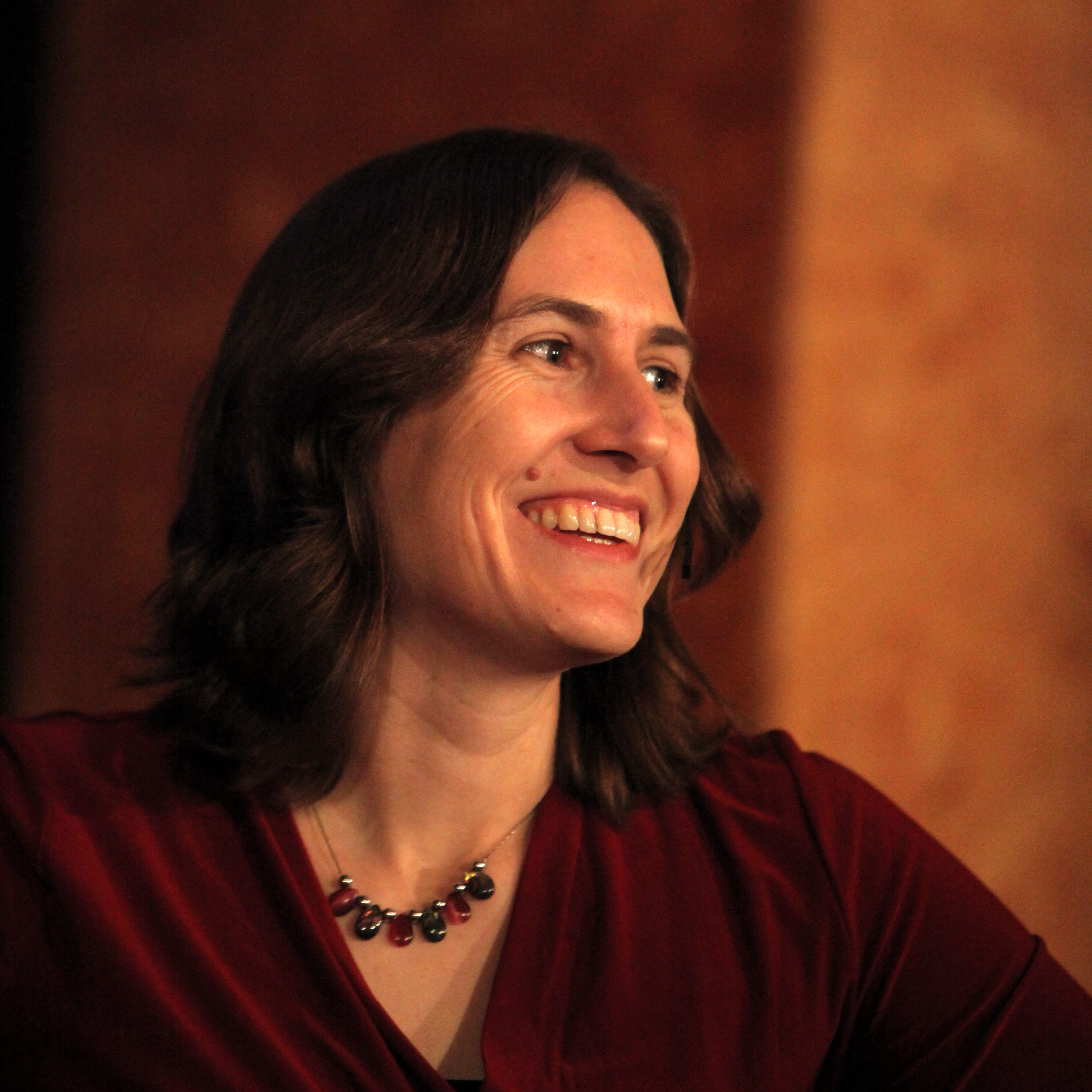
Katie Mack
Dr. Katherine (Katie) Mack is a theoretical astrophysicist, science communicator, and author who holds the inaugural Hawking Chair in Cosmology and Science Communication at the Perimeter Institute for Theoretical Physics. Known online as @AstroKatie with over 400,000 Twitter/X followers, she studies the fundamental questions of how the universe will end - dark matter, vacuum decay, primordial black holes - and makes it all thrillingly accessible. Her 2020 book 'The End of Everything (Astrophysically Speaking)' was a New York Times Notable Book. She publishes 'The Last Star' newsletter, co-hosted a podcast with John Green, is an instrument-rated pilot, and was name-dropped by Hozier in a Grammy-winning album.