team-collaboration
(6)
Asana or Notion Depends on How Much System You Want
Asana gives teams a project machine that is ready to run. Notion hands them the parts, which is liberating until building the system becomes its own project.

ClickUp and Asana Are Fighting Over Your Free Team
The project-management rivals put different locks on their free plans. ClickUp limits storage while Asana limits collaborators, revealing two distinct bets about how teams become customers.

The Team Tool That Gets Cheaper as Your Company Grows
Trello charges for each paid seat. Basecamp caps the bill. The better bargain depends less on features than on what happens when another person joins the work.

The Best Project Manager Is the One That Closes Your Tabs
ClickUp, monday.com, and Wrike all promise one place to run work. The revealing difference is how many product boundaries a team crosses between an idea, a conversation, and an assigned task.
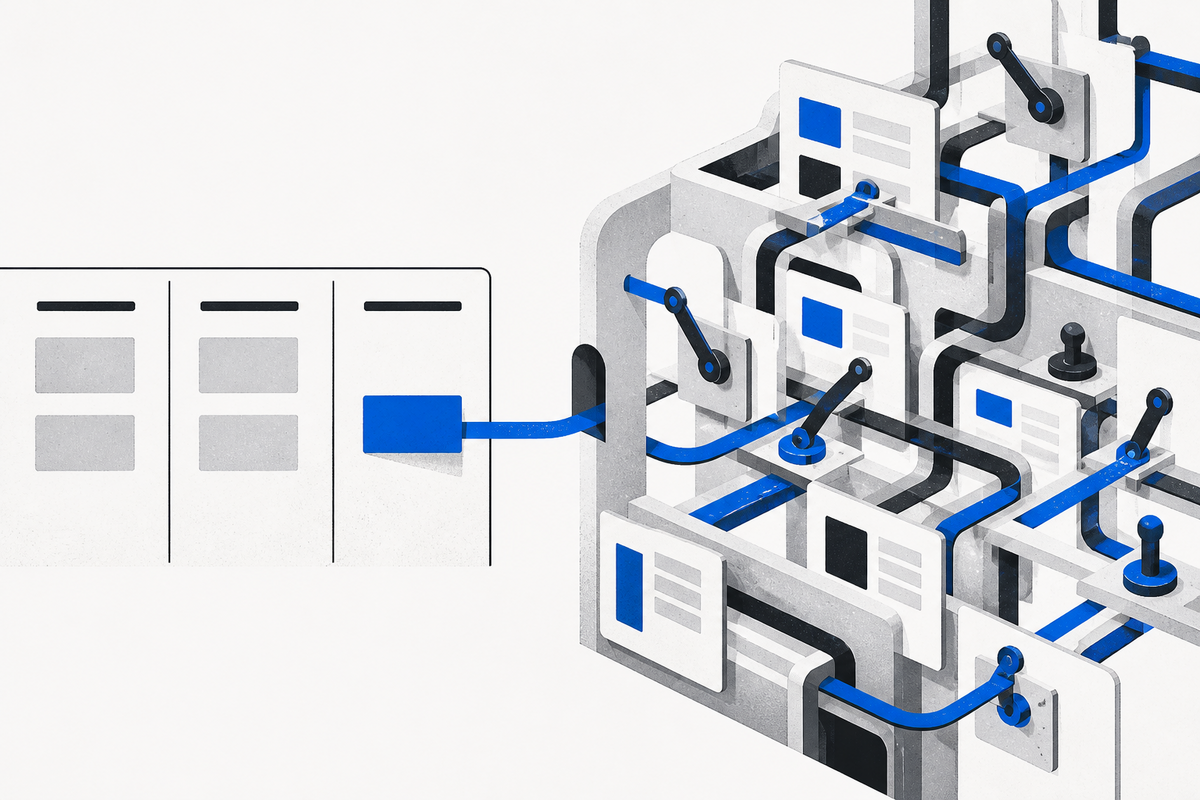
Your Team Doesn't Need More Project Management Software
Trello, Asana, monday.com and ClickUp all promise order. The useful question is how much structure your team can live with before the system becomes the work.

Your Social Media Tool Is Really a Headcount Tax
Sprout Social and Hootsuite sell similar command centers, but their price tags expose the real decision: how many people need in, how many profiles they run, and which workflows they cannot live without.