sustainable-sourcing
(15)
Love Grown Was Nearly Dead. Then Its Customers Built the Case for a Second Breakfast.
The bean-cereal brand almost vanished in 2023. Customer pleas pulled it back, a $1 million run rate changed the owner's strategy, and now Love Grown is betting that breakfast can carry an entire company.
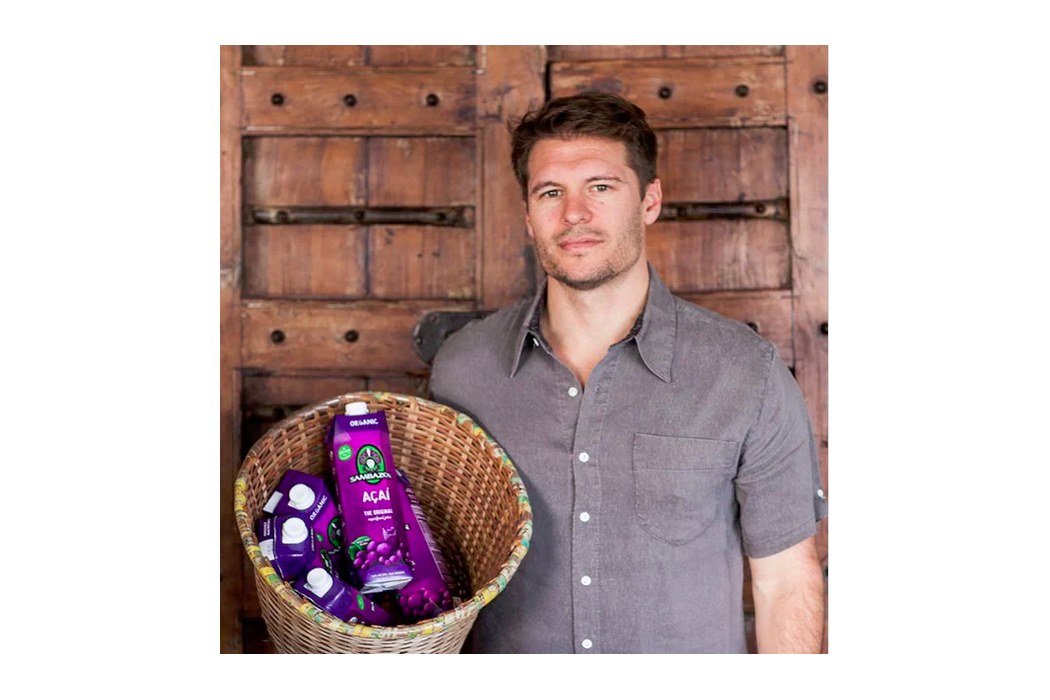
SAMBAZON Bet $50,000 on a Berry America Couldn't Pronounce - Then Built the Category Around It
The frozen pulp was perishable, the name was unfamiliar, and the first bottled drinks stumbled. SAMBAZON survived by making açaí useful before trying to make it famous - and by turning supply-chain control into the brand.
The Restaurant Chain That Put a Doctor in the Recipe Loop
True Food Kitchen built a national restaurant brand around an unlikely operating system: an anti-inflammatory food pyramid. Its real trick is making nutrition science feel less like homework and more like dinner.
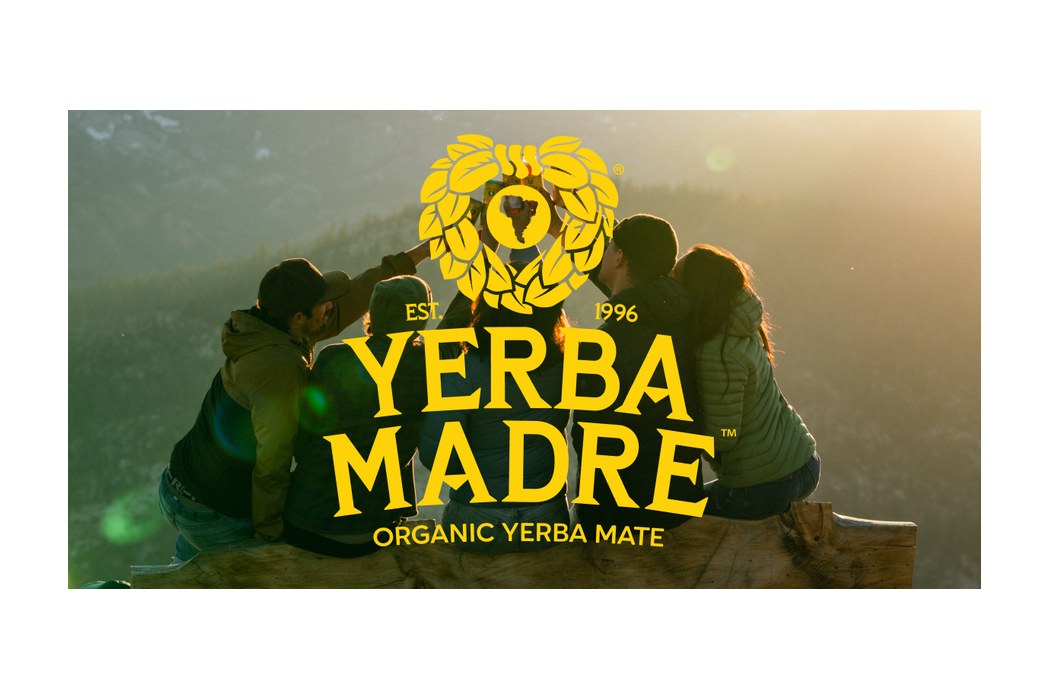
The Yellow Can Is Now Yerba Madre - and the Name Change Is the Least Interesting Part
After nearly three decades as Guayakí, America's dominant yerba mate brand changed the label, kept the yellow can and made its real product easier to see: a market for the forest left standing.
How Ferrero Turned a Hazelnut Shortage Hack Into a $22 Billion Snack Empire
The family behind Nutella spent eight decades turning scarcity into a system: invent a distinctive product, control the details, and give it time to become a ritual. Now Ferrero is applying that playbook to everything from protein wafers to Froot Loops.
The $3 Billion Orange-Juice Startup With a Nearly 80-Year Memory
Tropicana Brands Group was born in 2022 carrying brands old enough to have breakfast memories of their own. Its next act depends on turning a refrigerated-juice machine into a broader beverage portfolio without squeezing away what consumers already trust.
Ben & Jerry's
How two friends from a $5 ice cream course turned a renovated Vermont gas station into a global brand - and why its founders are now at war with the company that owns it.
Vita Coco
How two guys and a bar-room question about homesickness became a public company that pours roughly half of America's coconut water - and files its social mission in the same drawer as its earnings.
Firebirds Wood Fired Grill
Firebirds found a durable gap between the neighborhood grill and the expense-account steakhouse. Now, with 71 restaurants, a paid loyalty tier and private-equity backing, it is trying to scale the feeling of dinner around a real fire.

ButcherBox
How a founder who once lost investors' money built a half-billion-dollar meat company on a Kickstarter, a trash bag of grass-fed beef, and a refusal to take venture capital.
McCormick & Company
The red-capped spice jar is only half the business. Behind it sits a global flavor laboratory that helps supermarkets, food factories and restaurant kitchens decide what the next bite should taste like.
Arcos Dorados
Behind Latin America’s Big Macs sits a Montevideo company running 2,520 restaurants, a 115-million-user data engine and one of the region’s largest first-job machines. Its real product is consistency at continental scale.
Geniemode
Geniemode is a Gurugram-based B2B cross-border sourcing and supply chain platform that connects global retailers and brands with a vetted network of manufacturers across apparel, home textiles, furniture, and accessories. Founded in 2021 by Amit Sharma and Tanuj Gangwani, it uses technology, AI-driven design, and integrated logistics to manage the end-to-end procurement cycle - from sample development and manufacturing to compliance, quality control, and delivery - offering buyers cost transparency, smaller MOQs, and faster turnaround than traditional sourcing agents.
TALEA Beer Co.
TALEA Beer Co. is a women-founded and women-owned craft brewery based in Brooklyn, New York, built to make beer approachable for people the craft category has historically overlooked. Founded in 2018 by Tara Hankinson and LeAnn Darland and opened as a brewery and taproom in 2021, TALEA brews fruit-forward, lower-alcohol reinventions of classic styles and runs a growing network of design-forward taprooms across New York City, alongside a direct-to-consumer online shop, retail distribution in 1,300+ New York stores, and events.
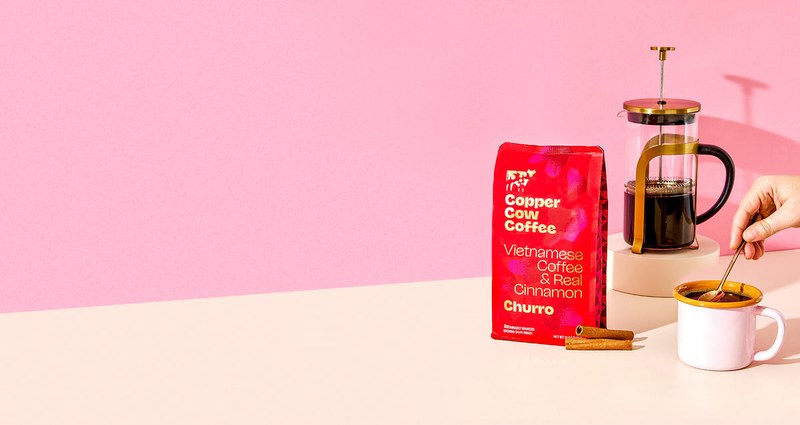
Copper Cow Coffee
Copper Cow Coffee is a California-based specialty coffee company reimagining traditional Vietnamese coffee for the American market. Founded by Vietnamese-American entrepreneur Debbie Wei Mullin, it sells single-serve pour-over pouches, flavored ground coffees, and latte kits paired with sweetened condensed milk creamers, all made with real ingredients and beans sourced from organic, sustainable Vietnamese farms where growers are paid roughly double the market rate. The women- and AAPI-owned brand has grown from a garage operation into a product sold in thousands of retail stores nationwide.