supply-chain-transparency
(12)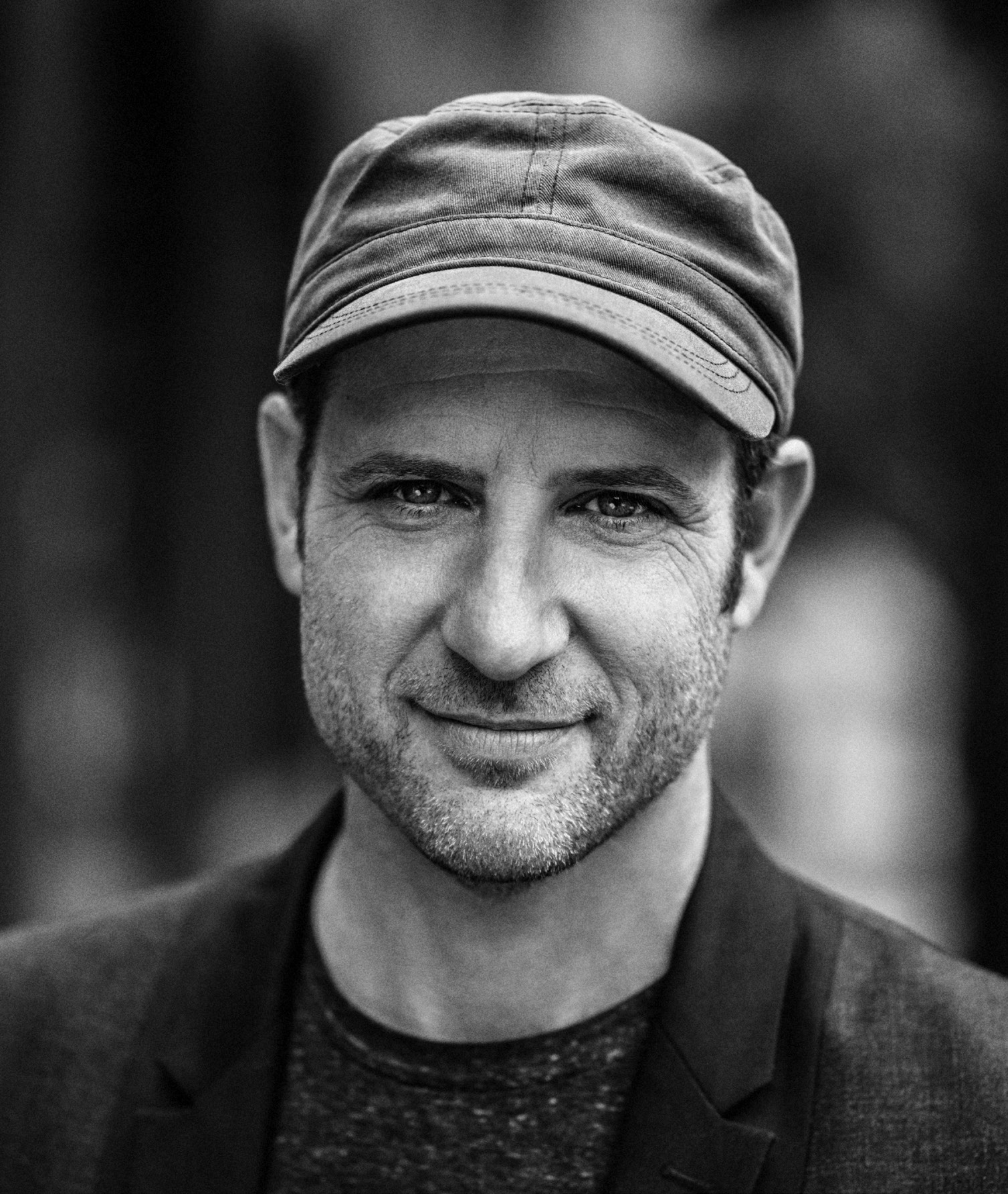
Justin Dillon Turned a Protest Song Into Supply-Chain Software
A touring musician followed one uncomfortable question from a Russian club to the State Department, a viral consumer tool and the procurement departments of global companies. Now FRDM AI is joining WiseTech - proof that Dillon's longest-running composition was a supply chain.

Safi
Safi is a climate-tech company building software for the recycling industry. It launched in 2021 as TrueCircle and first operated the recycling sector's first digital B2B marketplace, matching international buyers and sellers of recyclable plastics, paper and metals with quality verification, logistics and embedded financing. The company reached more than $40M in annualized GMV within its first year. It has since sharpened its focus on AI-powered quality control - a computer-vision product that turns a phone photo of a bale into instant composition data for PET, HDPE and aluminium cans, helping recyclers price and plan material more accurately. Led by CEO Rishi Stocker, Safi raised a $19.5M Series A in 2023 and works with recyclers across dozens of countries.
Geniemode
Geniemode is a Gurugram-based B2B cross-border sourcing and supply chain platform that connects global retailers and brands with a vetted network of manufacturers across apparel, home textiles, furniture, and accessories. Founded in 2021 by Amit Sharma and Tanuj Gangwani, it uses technology, AI-driven design, and integrated logistics to manage the end-to-end procurement cycle - from sample development and manufacturing to compliance, quality control, and delivery - offering buyers cost transparency, smaller MOQs, and faster turnaround than traditional sourcing agents.

Podium Automation
Podium Automation is a Brooklyn-based manufacturer rebuilding how industrial control panels are designed and built. Using a software-enabled configuration and fabrication process, Podium designs, wires, tests, and ships UL 508A and UL 698A control panels in under four weeks - roughly a third of the industry-standard lead time - with real-time transparency from purchase order to delivery. Founded in 2024 by Jamie Niu Serota (CEO) and Jacob Buser (CTO), the company aims to become the 'Protolabs of control panels,' serving customers from hardware scale-ups to Fortune 500 manufacturers.

Emily Stone
Emily Stone is the founder and CEO of Uncommon Cacao, the first specialty cacao trader to publish verifiable prices for every transaction along its supply chain. From a base that started in the jungles of Belize and Guatemala, she built a Transparent Trade model that sources from more than 10,000 smallholder farmers across 15+ countries and supplies hundreds of craft chocolate makers worldwide. An Ashoka Fellow and Georgetown-trained sociologist, she is trying to decommoditize cacao by making farmers the protagonists of the chain rather than its afterthought.

Another Tomorrow
Another Tomorrow is a New York-based luxury fashion company building timeless womenswear with a sustainability-first model. Founded by former Morgan Stanley managing director Vanessa Barboni Hallik, it pairs farm-level material traceability with a digital ID on every garment, enabling provenance tracking, anti-counterfeiting, and authenticated resale. It was the first luxury fashion brand to earn B Corp certification and frames its work around human, animal, and environmental welfare.

Uncommon Cacao
Uncommon Cacao is a specialty cacao trader that buys high-quality beans from thousands of smallholder farmers and sells them to premium and craft chocolate makers worldwide. Its signature move is radical openness: it publishes a public Transparency Report disclosing the prices paid at every step of the supply chain, and remains the only international cacao trader to do so. Founded by Emily Stone and built on the back of its Belize export operation Maya Mountain Cacao, the company is a certified B Corp and Public Benefit Corporation working to decommoditize cacao and pay farmers more.

EON
EON is a New York-based enterprise software company building the Digital ID layer for physical products. Through its EON Product Cloud platform, brands give each item a unique, traceable digital identity - accessed via QR code, NFC chip or RFID tag - that follows the product across its full lifecycle, powering resale, repair, authentication, customer engagement and compliance with the EU's upcoming Digital Product Passport regulation. Founded in 2017 by Natasha Franck, EON authored the open CircularID Protocol and works with brands including Coach, Chloe, H&M, Mulberry and Target.
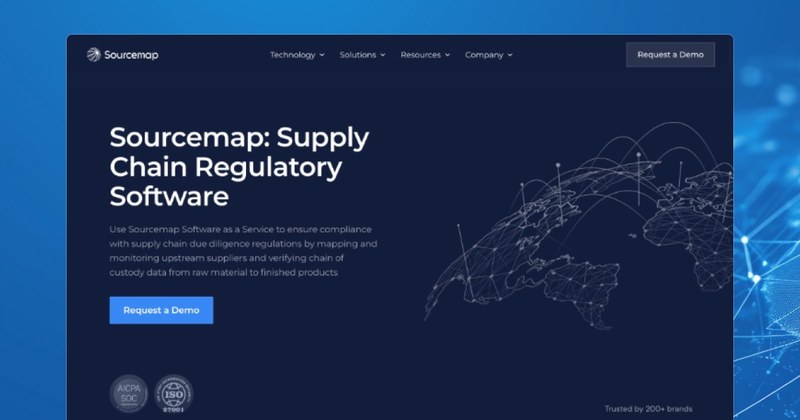
Sourcemap: the Supply Chain Mapping Company
Sourcemap is a New York-based enterprise SaaS company that maps global supply chains down to the raw-material origin. Born as a research project at the MIT Media Lab, it gives compliance and sourcing teams end-to-end, verified visibility across multi-tier supplier networks - helping Global 1000 brands meet forced-labor, deforestation, tariff and ESG regulations while reducing disruption risk.

Vanessa Barboni Hallik
Vanessa Barboni Hallik spent fifteen years trading foreign exchange and emerging markets at Morgan Stanley, rose to Managing Director, then walked away to build Another Tomorrow, a B Corp certified luxury label that treats clothing as an asset. Every garment carries a digital ID tracing it from farm to closet and back into an authenticated resale program. She launched the brand six weeks before COVID-19 shut down the world and kept building.

Leonardo Bonanni
Leonardo Bonanni is the founder and CEO of Sourcemap, the supply chain mapping company he spun out of his PhD research at the MIT Media Lab. What began in 2008 as a 'Wikipedia for supply chains' became enterprise software that helps the world's largest brands in food, apparel, electronics, pharmaceuticals and automotive trace their products down to raw-material origins - tanneries, farms, mines and slaughterhouses. He testified before the US Senate and the French Senate on traceability, spoke at TEDxMilano, and has been named among the most influential people in business ethics.

Karla Gallardo
Karla Gallardo is the Co-Founder and CEO of Cuyana, a San Francisco-based sustainable fashion brand built on the philosophy of 'fewer, better things.' Born in Ecuador and educated at Brown University and Stanford GSB, she co-founded Cuyana in 2011 with Shilpa Shah to create timeless, high-quality women's essentials through ethical, transparent supply chains. Under her leadership, Cuyana has grown to 160+ employees, raised $44.8M in funding (including a $30M Series C), and built a loyal customer base that includes Meghan Markle and Jessica Alba. The company achieves a remarkable 90% full-price sell-through rate — rare in fashion — and has been recognized for pioneering sustainable luxury retail in the U.S.