student-loans
(11)
Earnest lets borrowers set the payment. The hard part is everything behind it.
The student lender built its name on loans that fit a monthly budget. Its journey through venture funding, a Navient acquisition and a $2.5 million settlement shows what that promise demands.
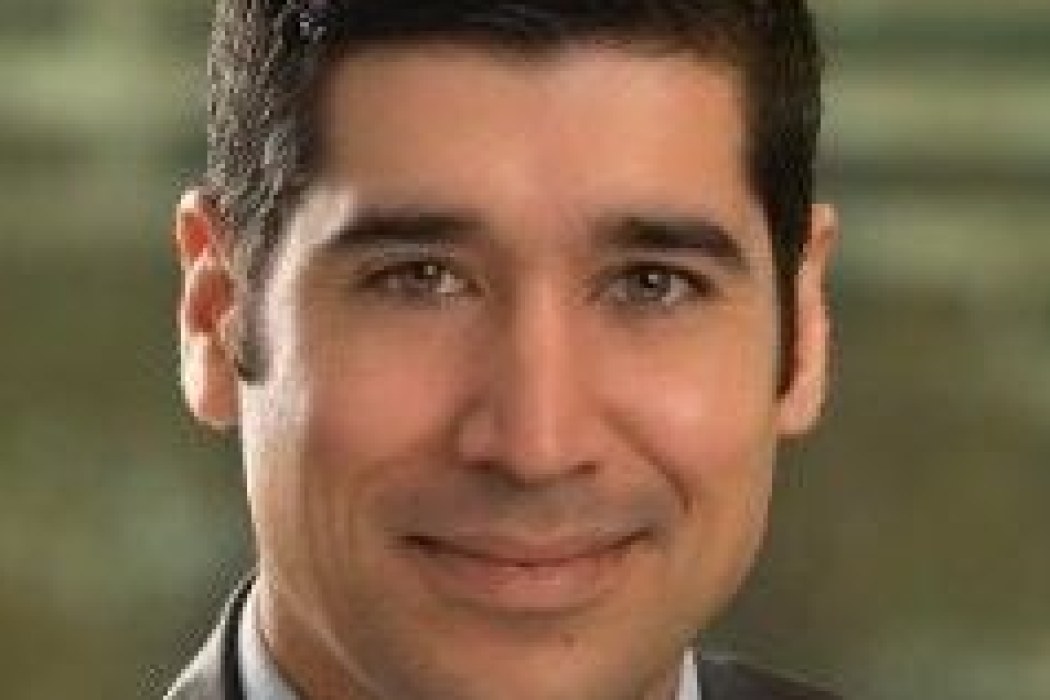
Tomás Campos
Tomás Campos is the co-founder and CEO of Spinwheel, an Oakland-based fintech building agentic AI-powered credit data and payments infrastructure for the consumer debt market. A UC Berkeley and Haas School of Business graduate, he spent two decades in payments and commerce - growing Blackhawk Network's digital payments division into a $1.5 billion business and co-founding the conversational commerce startup FluidM, which was acquired by Westfield. He launched Spinwheel in 2019 after the consumer debt crisis touched his own family, aiming to make the fragmented world of loans and liabilities as accessible as open banking made bank accounts. In June 2025 the company raised a $30 million Series A led by F-Prime Capital.

Climb Credit
Climb Credit is a New York-based fintech lender that finances career-focused education such as coding bootcamps, trucking, healthcare, cosmetology and aviation programs. It partners with vocational schools to offer private loans and interest-free recurring payment plans, using an AI-driven credit model built on more than 150 data points so applicants with limited credit history can still qualify. Founded in 2014, Climb has funded tens of thousands of learners and vets partner schools to ensure programs actually improve graduates' earning potential.

Backer
Backer is a San Francisco fintech company that makes it easy for families to open and grow tax-advantaged 529 college savings accounts, letting relatives and friends chip in through shareable gifting pages. Founded in 2016 as CollegeBacker, the company acquired the education-savings resource Saving For College in December 2023 alongside a $9.5M Series A round, pairing its consumer savings app with one of the web's most-used 529 research destinations.
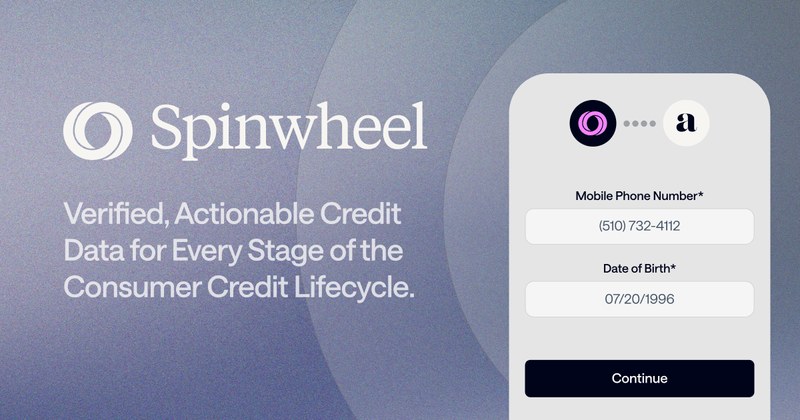
Spinwheel
Spinwheel is an Oakland-based fintech that provides real-time consumer credit data and embedded-payments infrastructure through developer APIs. Using a credentialless approach that needs only a phone number and date of birth, Spinwheel lets lenders, personal-finance apps, and debt-management companies connect, verify, and act on a consumer's debts and liabilities. The platform supports the full consumer-credit lifecycle - from segmentation and prequalification to disbursement, management, and payment - and, as of its 2025 Series A, powers more than 15 million users and 165 million connected accounts representing over $1.5 trillion in connected debt.

Clasp
Clasp is a Boston-based workforce and fintech company that ties student-loan repayment to employment, helping healthcare systems recruit and retain clinicians. Using a model it likens to military ROTC, employers commit to students before graduation and repay their loans over time in exchange for a multi-year work commitment. Founded in 2018 as Stride Funding and rebranded as Clasp in 2024, the company links education and employment to attack two problems at once: crushing student debt and chronic clinical staffing shortages.

Funding U
Funding U (legally Funding University) is an Atlanta-based fintech lender that gives high-achieving undergraduates private student loans without a cosigner and without relying on FICO scores. Instead of judging students by their family's credit or wealth, the company underwrites loans using academic performance, progress toward a degree, likelihood of graduating, and projected earnings - factors a student actually controls. Founded in 2015 by Jeannie Tarkenton, Funding U aims to serve low- and moderate-income students that traditional private lenders won't touch, positioning its product as a responsible 'last-gap' option that fills the space left after grants, federal aid, and scholarships run out.

Tess Michaels
Tess Michaels is the founder and CEO of Clasp (formerly Stride Funding), a Boston fintech that ties student loan repayment to employment - 'ROTC, but for healthcare.' Employers commit to clinical students before graduation and pay down their loans in exchange for years of tenure. A Wharton grad and Harvard MBA who cut her teeth at Goldman Sachs and Vista Equity, Michaels built her first company at 19. Clasp raised a $20M Series B in March 2026 and employers have committed more than $130M in loan repayment, with retention reportedly 2.5x higher than traditional hiring.
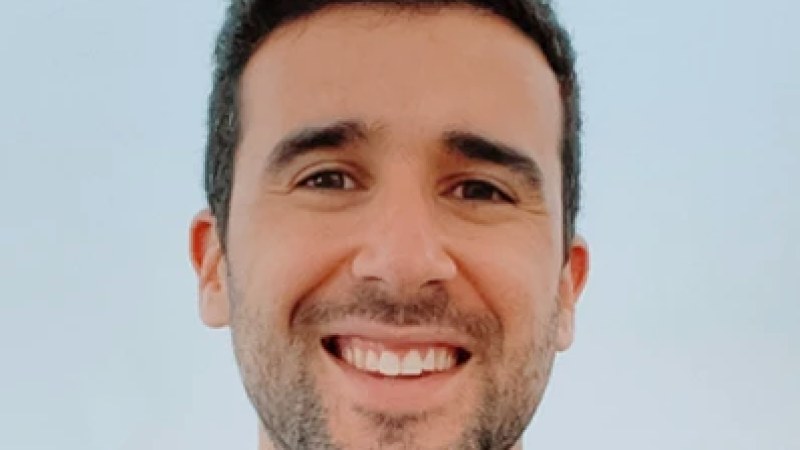
Dror Liebenthal
Dror Liebenthal is the Israeli-born cofounder and CEO of Bold.org, a San Francisco-based platform that enables anyone — individual or company — to create and manage scholarships, fellowships, and grants at no cost. A Princeton Chemical Engineering graduate (magna cum laude, Class of 2015) who was the first in his family to navigate the US education system, Liebenthal built Bold.org after personally experiencing how a single scholarship changed his trajectory. The platform operates the Bold Foundation (501c3), has distributed millions in student scholarships, and pairs its philanthropy product with the Bold Debit Card, a fintech tool designed to help students manage their money and reduce debt.
Eliza Haverstock
Eliza Haverstock is a financial journalist who has covered venture capital, private markets, student loans, and personal finance for outlets including Bloomberg, PitchBook, Forbes, and NerdWallet. A University of Virginia economics and history graduate, she moved from reporting on startups and billionaires to becoming a lead writer on student loan coverage, making complex financial topics accessible for everyday readers.

Vishal Garg
Vishal Garg is the Indian-American founder and CEO of Better.com, the online mortgage broker that went public via SPAC in 2023. A serial entrepreneur since his early twenties, he previously co-founded MyRichUncle, which became the second-largest private student lender in the U.S. before collapsing in the 2008 financial crisis. Known for his blunt communication style - including the infamous 2021 Zoom firing of 900 employees - Garg has built multiple companies at the intersection of finance and technology while living in Manhattan with his wife and three children.