smartsheet
(14)
The PPM Choice Is Really an Operating Model Choice
Clarity, Planview and Smartsheet can all give leaders a portfolio view. The useful difference is how each product expects work, money and governance to move through the company.
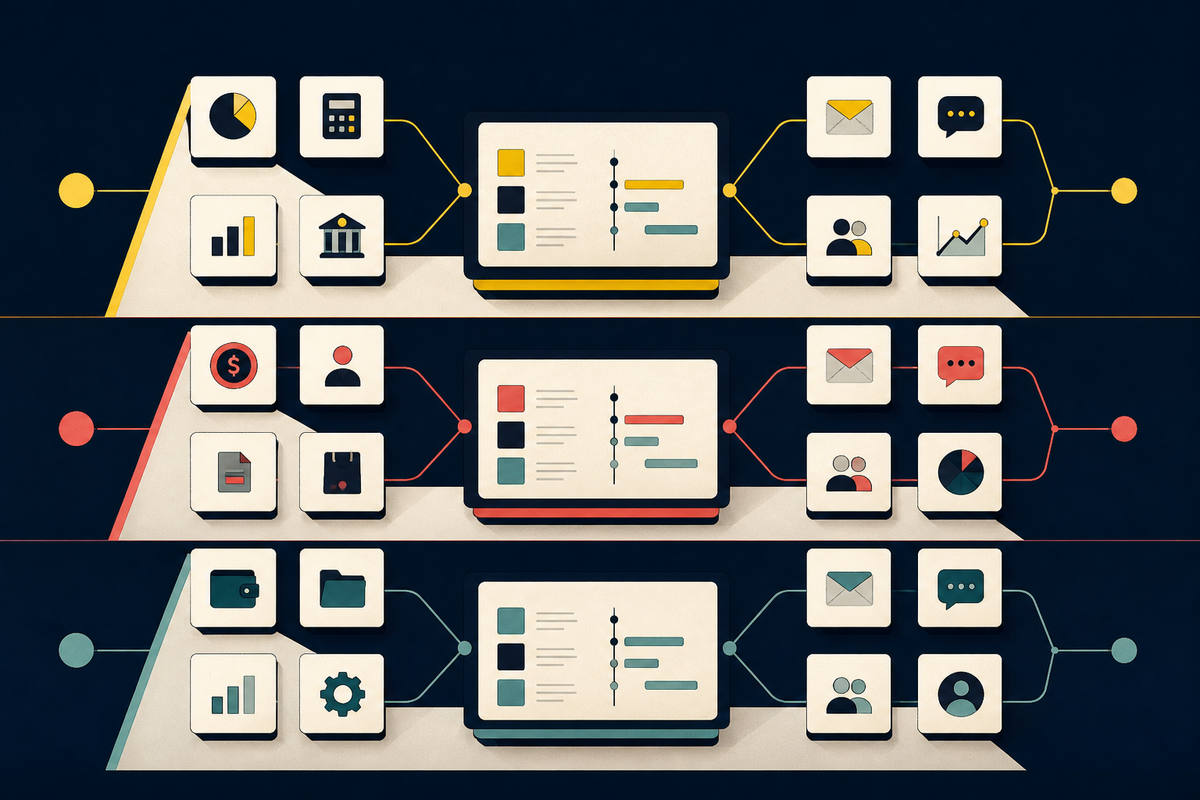
Zoho Projects Wins Before the Work Even Starts
Monday.com and Smartsheet compete to run the project. Zoho Projects makes a different bet: the buying decision may already be settled by the rest of the software stack.

The Spreadsheet Skill Monday.com Still Can’t Replace
Monday.com makes work visible. Smartsheet keeps the formulas, references and habits that spreadsheet power users are reluctant to surrender.

Before You Buy a PPM Platform, Look at the Seams
Planview, Clarity and Smartsheet all promise one view of work. Their product histories reveal three different trade-offs - and a faster way to choose.
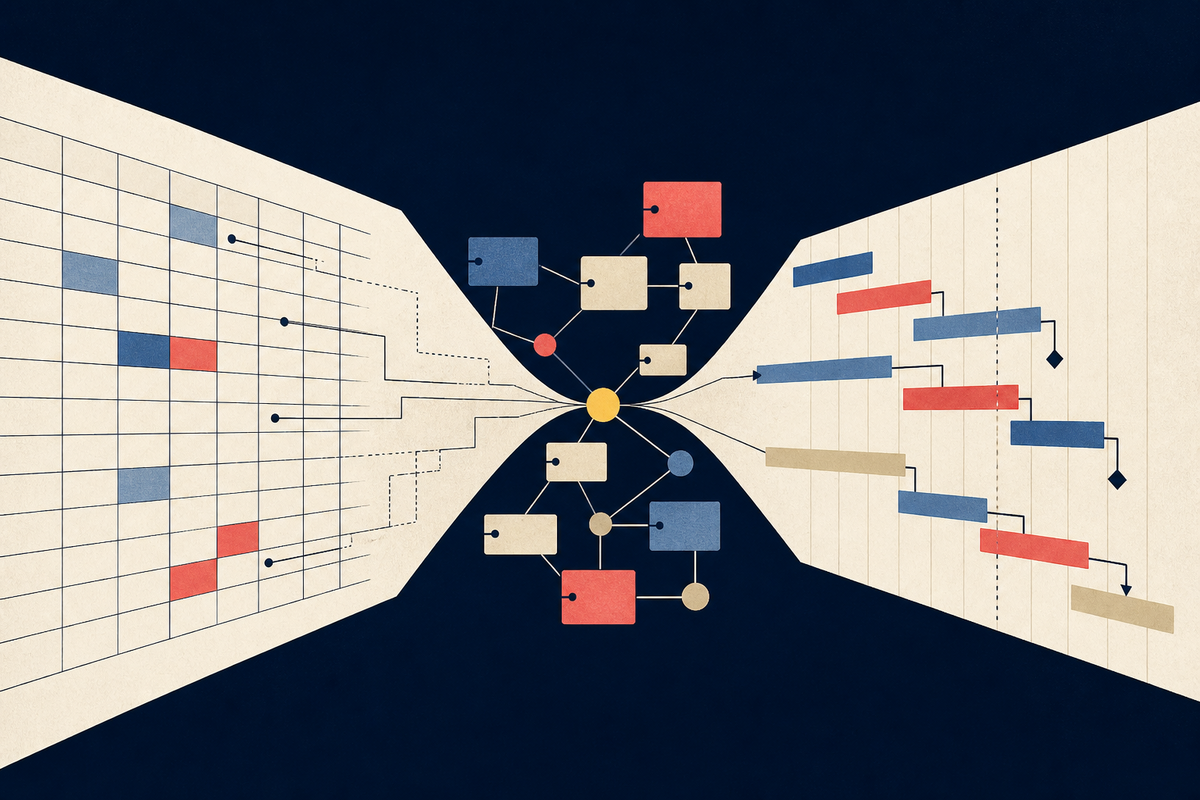
Your Project Tool Is Quietly Choosing How Your Team Thinks
Smartsheet, Airtable and Microsoft Project can all produce a convincing project plan. The real choice is whether your team thinks in rows, relationships or schedules.

The Work Software Choice With Receipts
Monday.com, Smartsheet, and Airtable can all organize complex work. Only one gives enterprise buyers a current, public view of the business behind the software.
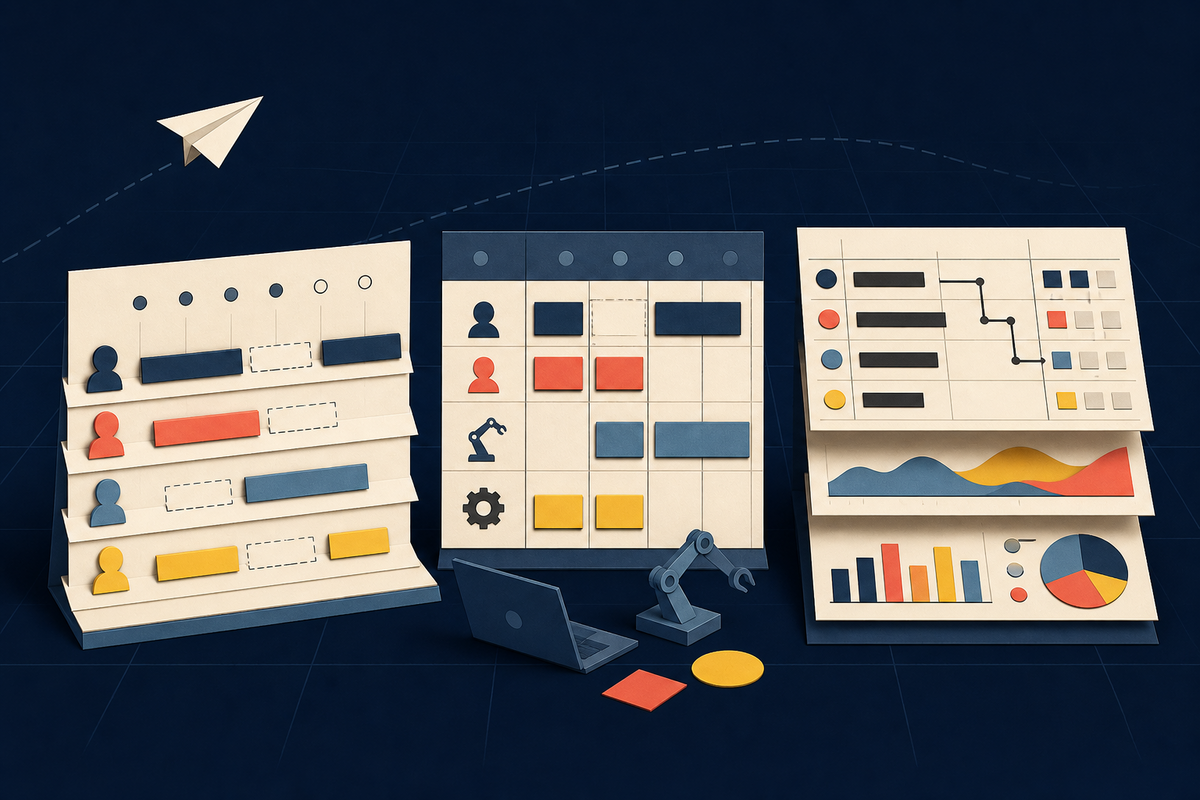
Float, Resource Guru or Smartsheet? Pick Your Planning Layer
The right resource planner depends less on the feature list than on where you want work to live. Float forecasts capacity beside your task system, Resource Guru runs the booking desk, and Smartsheet can become the work system itself.

Your Project Software Bill Is Telling On You
Procore, Smartsheet and Microsoft Project can all track work. Their pricing models reveal three very different ideas about who should participate, what deserves control and where a project creates value.

Smartsheet Bet on Cloud While Microsoft Kept the Desktop
The choice is no longer web versus desktop. It is whether your team wants one cloud-centered operating model or Microsoft’s layered mix of Planner, Project Online and a still-supported desktop client.
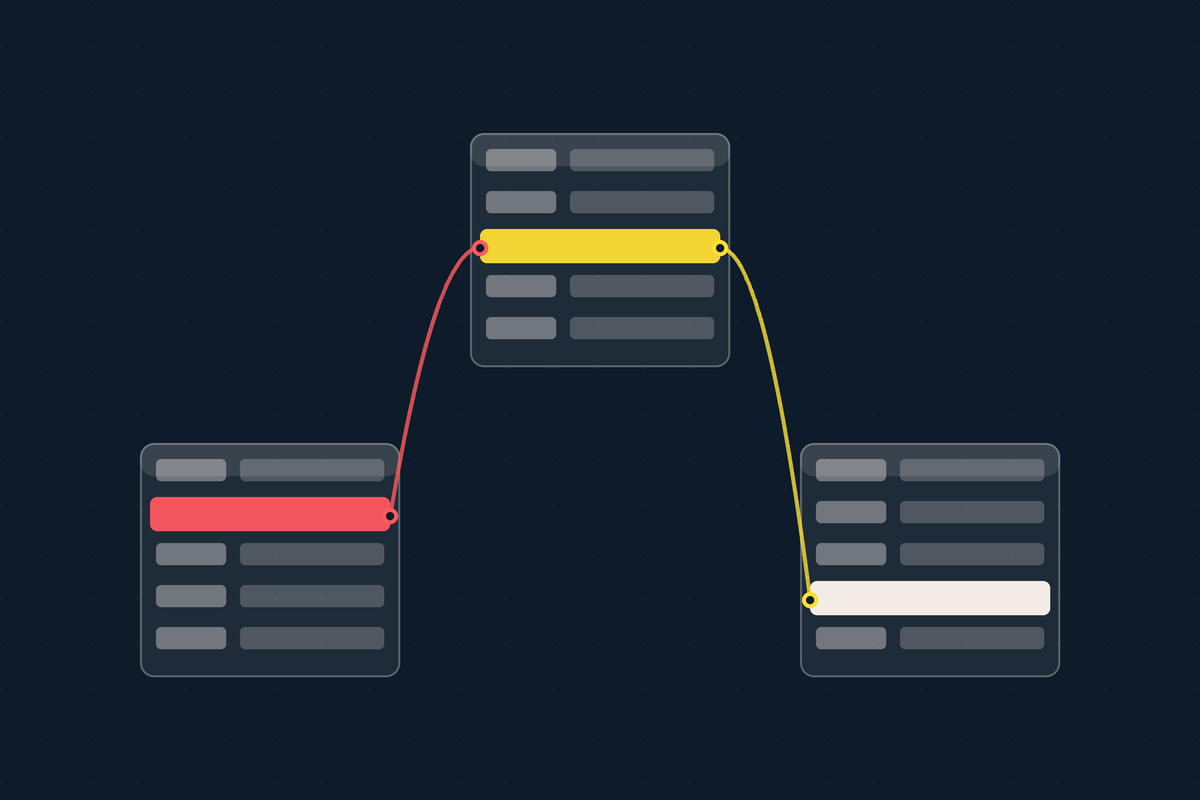
Your Spreadsheet Is Lying About Being A Database
Airtable, Coda and Smartsheet all look like grids. Only one of them actually links records the way a database does - and that difference decides what you can build.

The Spreadsheet That Got a Security Clearance
Smartsheet and ClickUp sell competing visions of how work gets organized. Their sharpest divide is not a feature toggle but a gate: the federal authorizations that decide who can compete for sensitive government work.

Workfront, Wrike or Smartsheet? Follow the Work
The best project platform is not the one with the longest feature list. It is the one shaped like the work your team already does - Adobe-centered creative production, adaptable cross-functional workflows, or spreadsheet-native portfolio control.
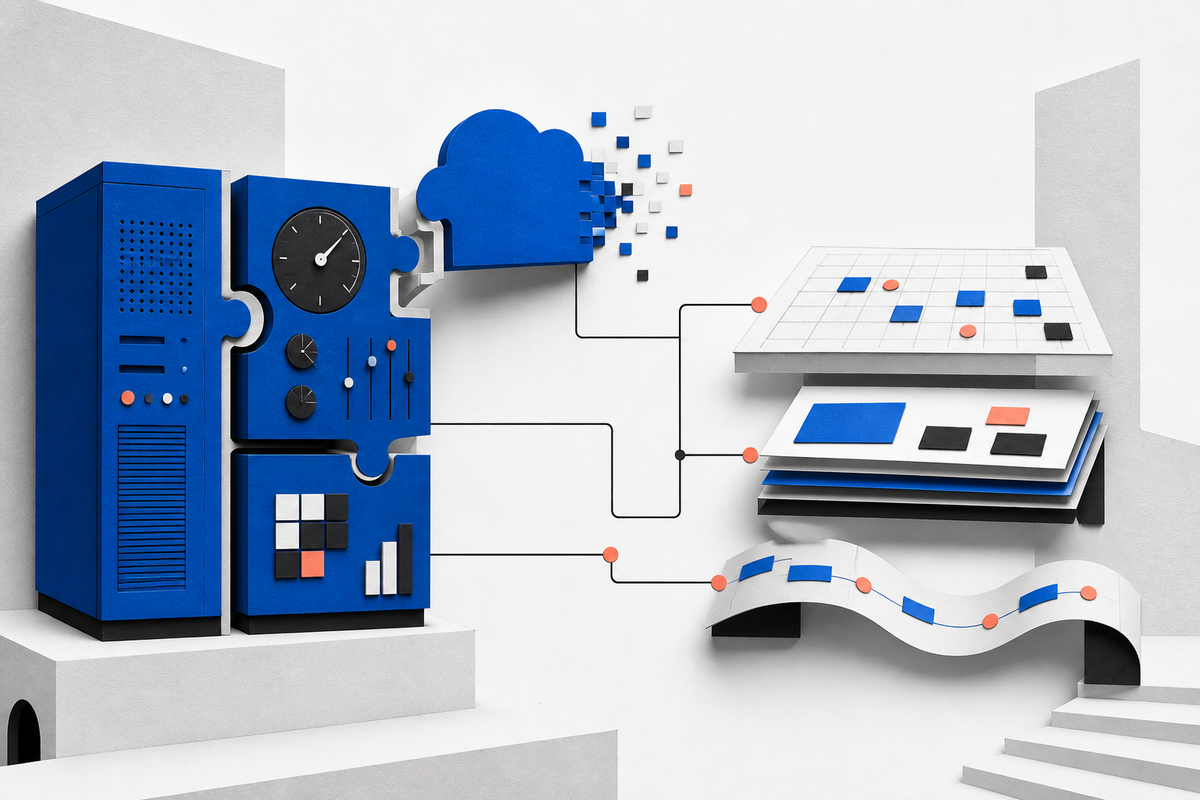
Microsoft Project’s Biggest Rival Is Its Own Price List
Microsoft still asks project managers to choose among desktop editions, cloud subscriptions and a service headed for retirement. Smartsheet, Planview and Wrike show why packaging now matters almost as much as the plan itself.

Magdalena Yesil
Magdalena Yesil is a Silicon Valley pioneer who arrived in the US at 17 with two suitcases and $43 to her name, earned three degrees from Stanford, and went on to become the first outside investor and founding board member of Salesforce. A serial entrepreneur who co-founded CyberCash (one of the internet's first secure payment systems) and MarketPay, she spent eight years as a General Partner at US Venture Partners before co-founding Informed.IQ, an AI-powered document processing platform that has enabled over $350 billion in consumer loan originations. Author of 'Power UP: How Smart Women Win in the New Economy' and co-founder of Broadway Angels, she sits on the boards of SoFi Technologies, Smartsheet, and Zuora.