saas-leadership
(15)
Andrew Joiner Has Spent 25 Years Teaching Machines to Read the Mess
Before enterprise AI had a fashionable name, Andrew Joiner was sorting the unruly information it depends on. His career, from a Wall Street-inspired startup to Hyperscience, is a long argument that the future begins with getting the paperwork right.

Chad Raube and the Value of the Outside View
The IntelliTrans CEO has made a career of entering established industries and asking the impolite, useful question: what if the model itself is the constraint?

Lee Blakemore and the Business of Remembering Who Knows Whom
After three decades selling, scaling and reshaping enterprise software, Introhive's CEO has arrived at a stubbornly human conclusion: the most useful data is the relationship people forgot they had.

Jeffery Chancellor Wants AI to Improve the Decision, Not Just Accelerate It
After two decades in telecom and enterprise software, Oversight’s CMO has arrived at a sober thesis for the AI era: speed is plentiful, but judgment, trust and operating discipline remain scarce.
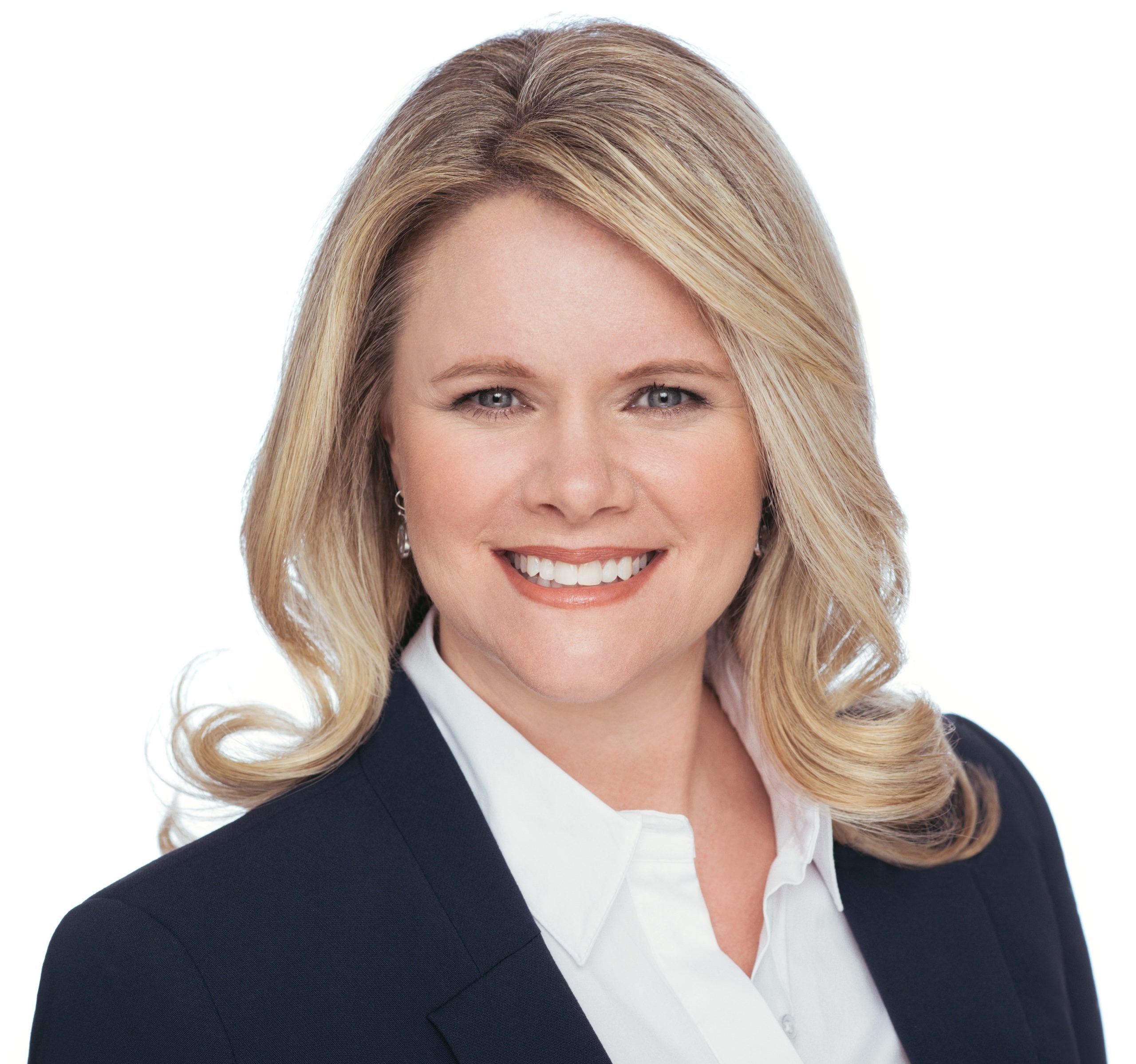
Melissa Pippine Built a Marketing Career by Listening Before Speaking
Before she became Watermark’s chief marketing officer, Melissa Pippine spent years close to products, customers and the untidy systems between them. Her career makes a quiet argument: good marketing begins long before the campaign.

Deepak Bahree Is Teaching Marketing to Think in Locations
The Birdeye CMO has spent two decades turning technical systems into growth systems. His latest argument is simple: AI matters only when it can do useful work for every location.

Leah Allen Makes the Invisible Machinery of Commerce Make Sense
She began with words, learned the systems beneath them, and now markets the data that helps products earn trust - whether the customer is a person or an AI agent.

Mika Yamamoto Is Giving Customer AI a Human Job Description
After years spent joining the seams between marketing and customer experience, Mika Yamamoto has arrived at Veeam with a larger brief: make AI useful without making the customer feel processed.

Jen Thomas Is Selling the Connective Tissue of Care
After more than two decades in healthcare technology sales, CipherHealth's chief sales officer has a precise diagnosis for a sprawling industry: hospitals own moments, but patients live journeys. Her work begins in the gaps between them.

Keith Alsheimer Has Spent a Career Making Complexity Behave
Before he sold software for unruly data systems, Keith Alsheimer trained soldiers, patented a visual method for teaching cleaners, and built a procurement company from scratch. The connecting idea is surprisingly consistent: make complicated work clear enough that people can act.

Brigid Ling Built the Bridge Before She Sold the Platform
Before leading marketing at an AI-native sales platform, Brigid Ling spent two decades making complicated ideas easier to act on - for small businesses, young football players and enterprise sellers alike.

Alison Durant Learned Strategy on the Water - Then Took It Into the C-Suite
A sailing instructor's unexpected internship became a career in technology marketing. Three decades later, Durant still treats leadership like navigation: read the conditions, trust the crew, and keep the plan flexible.

Shankar Iyer Is Teaching a 20-Year-Old Business to Move Like a New Company
After three decades of building, positioning and running software, Shankar Iyer was handed a rare assignment: give an established VMware business the habits, culture and appetite of an independent company.
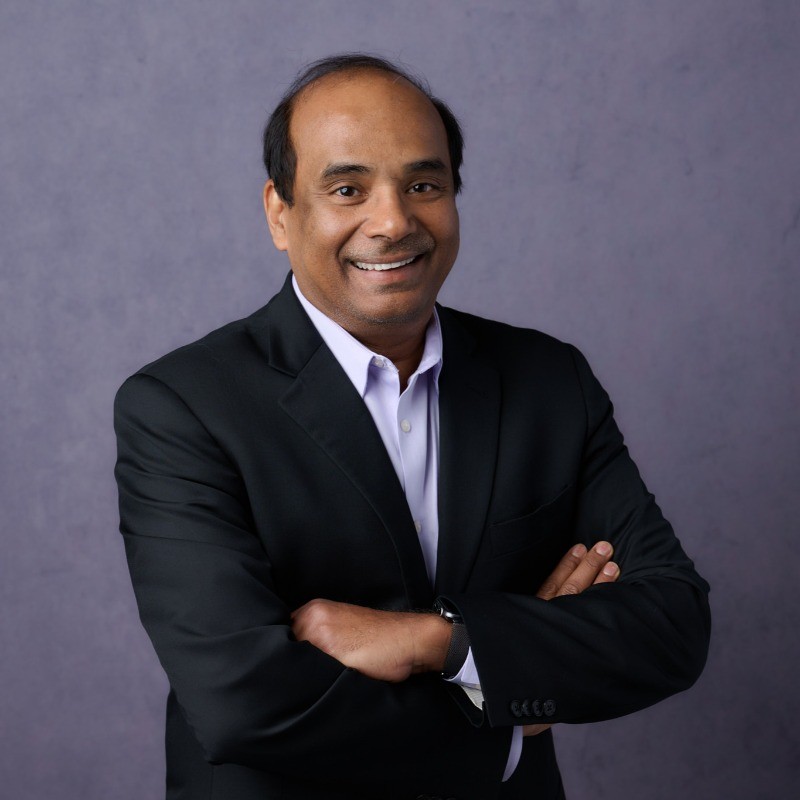
Anil Aggarwal Built Bluetooth Chips. Then He Learned to Make Hotels Legible to Machines.
His career spans a Bluetooth-chip exit, a family business date, and two decades spent decoding how travelers discover hotels online. Now the Milestone CEO is preparing hospitality for search without a search box.

Michael Strickman Built the Recommendation Engine Before He Bought the Traffic
Before leading Xero's global marketing, Michael Strickman spent years teaching software to narrow choices, measuring demand at Tripadvisor and scaling performance marketing at Uber. His career is a study in how technical judgment becomes commercial judgment.