robotics-engineering
(6)
Philipp Herget and the Fine Art of Drawing the Future on Concrete
He began by controlling lasers within nanometers. Now his robots print buildings at full scale. Philipp Herget's career is a study in precision, practical pivots and knowing when the floor is trying to tell you something.
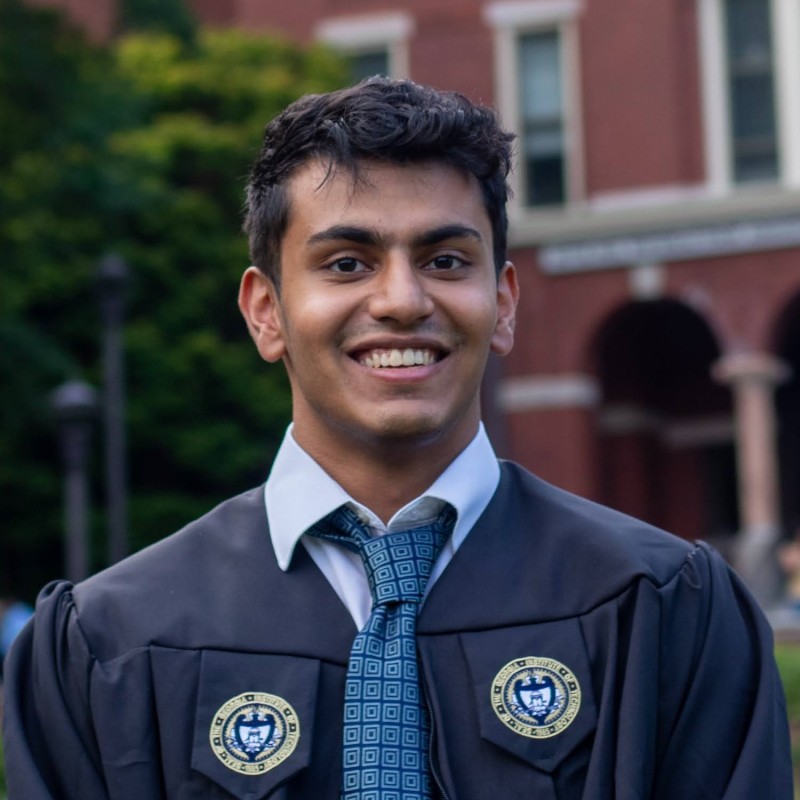
Anshul Ahluwalia Wants Drone Defense to Speak One Language
After building aircraft autonomy at Shield AI, the Georgia Tech computer scientist found his startup idea in defense technology's least glamorous corner: getting incompatible machines to cooperate.
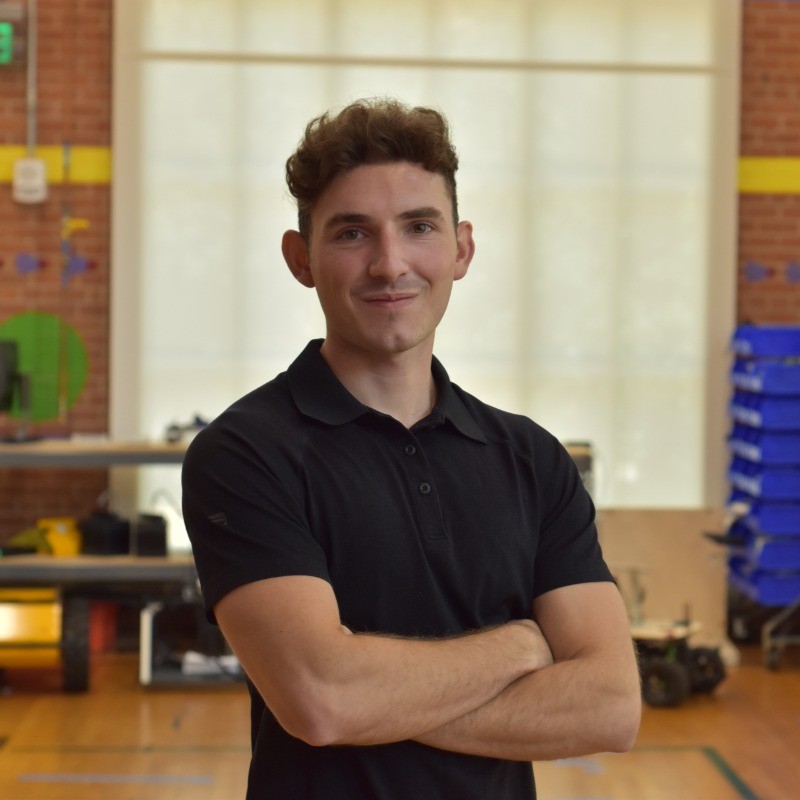
Caleb Horan Is Teaching Robots to Take the Shift Nobody Should Want
After years deploying machines around nuclear work, the Salem Robotics co-founder arrived at a practical thesis: let people keep the judgment, and give robots the routes, instruments and paperwork.

Grace Brown Is Teaching Robots to Read the Room
The Andromeda founder started with a student-built robot that could ask about her day. Now she is scaling a company around a harder engineering problem: creating machines people actually want in the room.
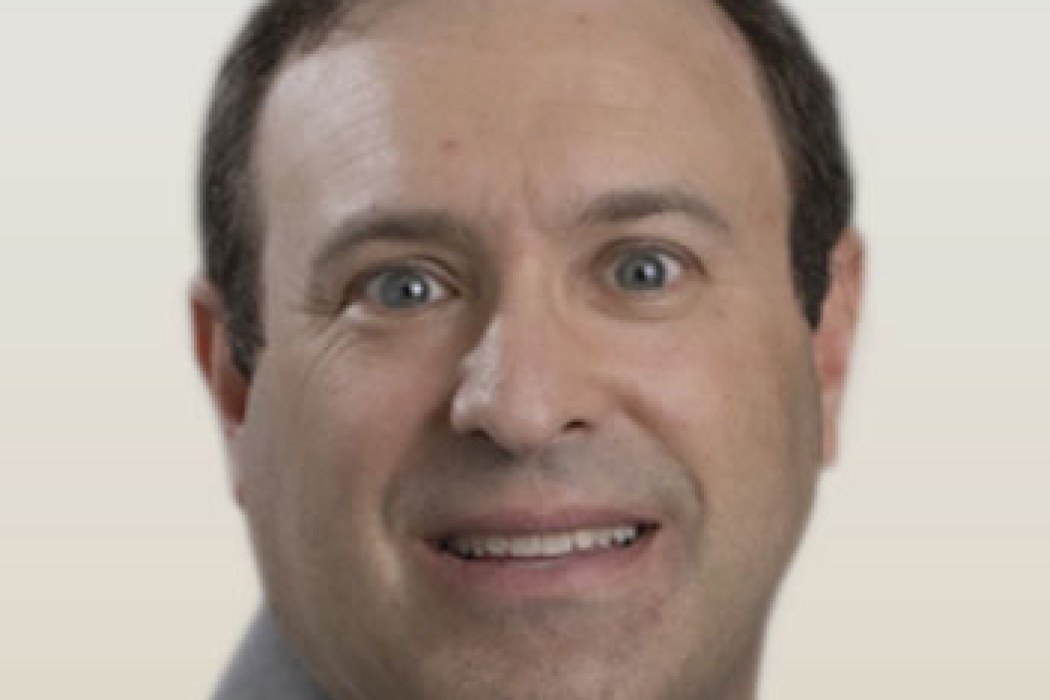
Gregory Fischer
Gregory Fischer is the co-founder and CEO of AiM Medical Robotics, a Worcester, Massachusetts company building a portable, MRI-compatible surgical robot for neurosurgery. A robotics engineer with a PhD from Johns Hopkins, Fischer spent nearly two decades as a professor at Worcester Polytechnic Institute, where he directed the Automation and Interventional Medicine (AIM) Robotics Lab and founded the PracticePoint medtech R&D center. He turned his NIH-funded research into a company aiming to bring real-time image guidance and submillimeter robotic precision into the operating room, with a first-in-human clinical study on the horizon after a $8.1 million Series A in 2025.
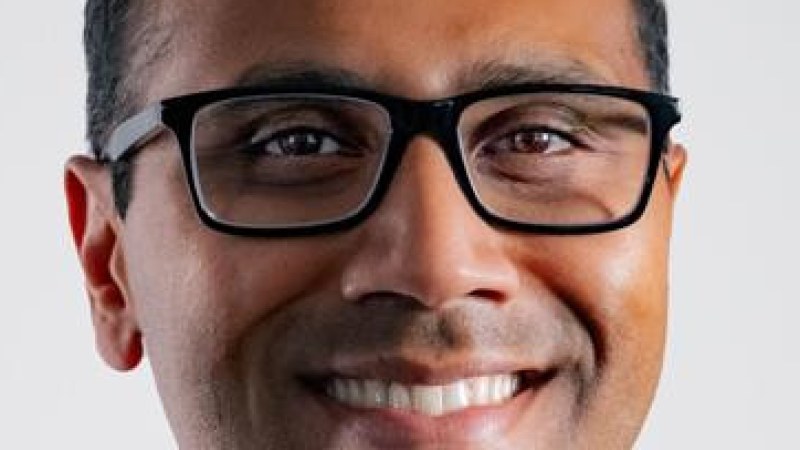
Nikhil Naikal
Nikhil Naikal is the CEO and co-founder of Kinetic, the automotive infrastructure startup using AI, computer vision, and robotics to automate the calibration and digital repair of modern vehicles. A roboticist with a PhD from UC Berkeley and an MS from Carnegie Mellon — where he was part of the 2007 DARPA Urban Challenge-winning Tartan Racing team — Naikal previously founded Mapper.ai (acquired by Velodyne Lidar) and engineered AR software at Flyby Media (acquired by Apple). At Kinetic, he is building a national network of high-throughput digital repair hubs that slash ADAS calibration time from hours to under 15 minutes, backed by $31M in total funding including a $21M Series B led by Menlo Ventures.