residential-construction
(16)
Thomas James Homes Is Selling a New House With Fewer Surprises
The luxury builder replaces aging houses in established neighborhoods with new homes at a guaranteed price and construction deadline. Its real test is making that promise repeatable, one difficult lot at a time.
The Teachers Who Bet $25,000 on One House - Then Built a 20,000-Home Machine
Cardel Homes survived Calgary's dollar-house recession by learning when to specialize, when to spread out and when to own more of the customer journey. Its 50-year playbook is useful far beyond homebuilding.
The $5.3 Billion Company Hiding in Plain Sight on America’s Walls
Cornerstone Building Brands does not build the house. It makes much of what keeps the weather out - and has quietly assembled one of North America’s broadest portfolios of windows, siding, stone and metal systems.
Meritage Homes
The Scottsdale builder made energy efficiency standard equipment instead of a luxury upcharge - and used it to close more than 15,000 homes a year.
Andersen Corporation
Andersen spent 123 years turning the humble window into a system of materials, channels and service. Its next opening may be the part most manufacturers leave to someone else: installation.
LGI Homes
LGI Homes turned the intimidating business of buying a first house into a repeatable system. Its wager is that fewer choices, finished homes and a guided sales process can put ownership within reach - while keeping a national builder disciplined on cost.
K. Hovnanian® Homes
For 65 years the Hovnanian family has been putting keys in first-time buyers' hands and building 55-and-up communities where the lawn mows itself. Here is how a New Jersey homebuilder turned patience into a business model.
Boise Cascade Company
Boise Cascade makes the beams and panels that hold buildings up - then uses one of America's largest wholesale networks to move them. That quiet loop produced $6.4 billion in 2025 sales and a revealing view of what happens before a house becomes a home.
M/I Homes, Inc.
M/I Homes sells the house, helps personalize it, finances the buyer and stays on the hook after closing. Fifty years in, that unusually complete chain is being tested by the most stubborn problem in American housing: affordability.
PulteGroup
PulteGroup turned one teenager-built bungalow into a national portfolio of home brands. Its real product is not a floor plan, but a system for matching land, lifestyle and financing to buyers at nearly every stage of adult life.

Canibuild
Canibuild is an AI-powered site-planning platform that answers construction's first question - can I build here? Builders, contractors and developers use it to check a site's feasibility, zoning, setbacks and utilities, generate 3D site plans and produce branded quotes in under 60 seconds. Founded in Sydney in 2020, the platform covers Australia, New Zealand, the United States and Canada and has run more than 4 million site assessments.

Aro Homes
Aro Homes is a Silicon Valley home-building company that designs and delivers precision-engineered, net-zero single-family homes for established neighborhoods. By combining a repeatable off-site/on-site construction system with architecture from Olson Kundig, Aro aims to cut the typical 18-month build down to roughly 90 days while producing homes that generate more energy than they use, cut water consumption by up to 45%, and save an estimated 11.2 tons of CO2 per home each year. The company launched publicly in 2022 with a $21M Series A and treats housing as a repeatable product rather than a series of one-off custom builds.

Bundle
Bundle is an Oakland-based, AI-powered materials procurement platform built for design and construction teams. It lets builders and suppliers quote, buy, and manage construction materials from initial quote through delivery in a single system - offering a live catalog of 50,000+ products, multi-supplier quote comparison, delivery tracking, a reusable materials library, and automated reordering. Founded in 2021 by Stanford MBA classmates Janna Colucci and Edison Ding, Bundle targets the SMB residential and ADU segment, aiming to run purchasing 10x faster and cut material costs 10-20%.
Verustruct
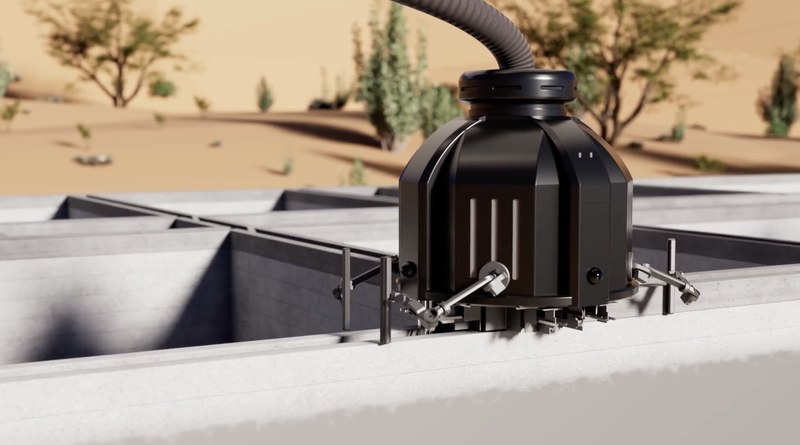
Verustruct is a New Haven-based construction-technology company building a gantry-less 3D printing system to make affordable, sustainable housing at scale. Founded by former SpaceX engineer Nick Callegari, its patent-pending translational slipform printer extrudes load-bearing walls with embedded mechanical, electrical, and plumbing systems, then scales itself up layer by layer, sidestepping the bulky gantry frames that cap the size of most additive-construction projects. Organized as a public benefit corporation, Verustruct aims to cut home construction cost by roughly half and emissions by around 40 percent.

Eano
Eano is a San Mateo-based construction technology company building an all-in-one software platform for general contractors and remodelers. Started in 2019 by Stella Wu as a home-renovation services business, it pivoted into SaaS - Eano Pro - that bundles AI-powered estimates, proposals, CRM, payments, scheduling, and project management so small and mid-sized contractors can run more jobs without losing control of communication, budgets, or client experience.
Homebound
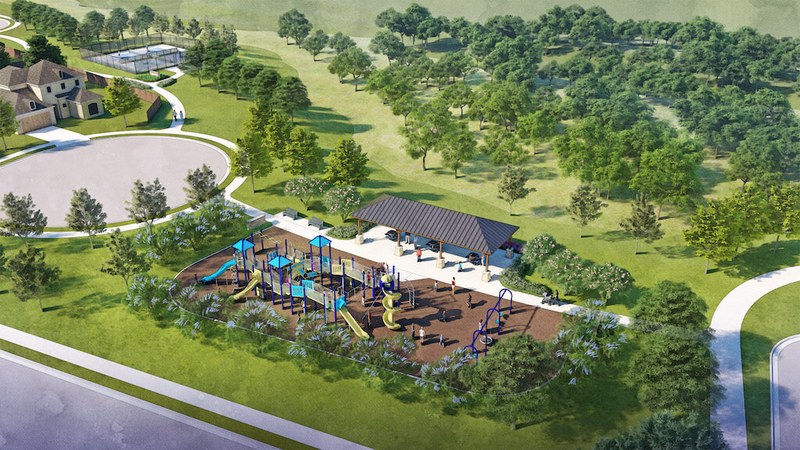
Homebound is a tech-enabled homebuilder headquartered in San Francisco that manages the entire home construction process from design to move-in. Founded in 2018 in the wake of the devastating California wildfires, the company combines a proprietary software platform with a vetted trade partner network to offer semi-custom homes at fixed prices. Homebound handles everything from lot sourcing and permitting to interior design and construction management, compressing what typically takes years into an industry-leading timeline. With over $308 million raised and 500+ homes built across markets in California, Texas, Colorado, and Florida, Homebound is rewriting the rules of residential construction for a new generation of homebuyers.