repeat-founder
(11)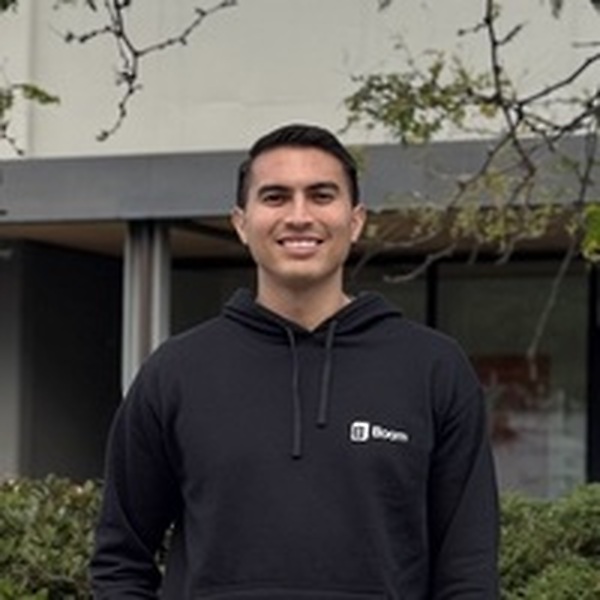
Juan Casian Learned to Listen at Internet Scale
After building a fintech from a college problem, weathering two Y Combinator rejections and learning to lead beyond the code, the Boom AI co-founder is betting that the next useful interface is an honest conversation.

Anis Bennaceur Is Teaching Sales Software to Finish the Job
A former startup rival became his co-founder. A neglected CRM became the clue. Now the Attention CEO is betting that the useful sales tool is the one that acts after everyone leaves the call.
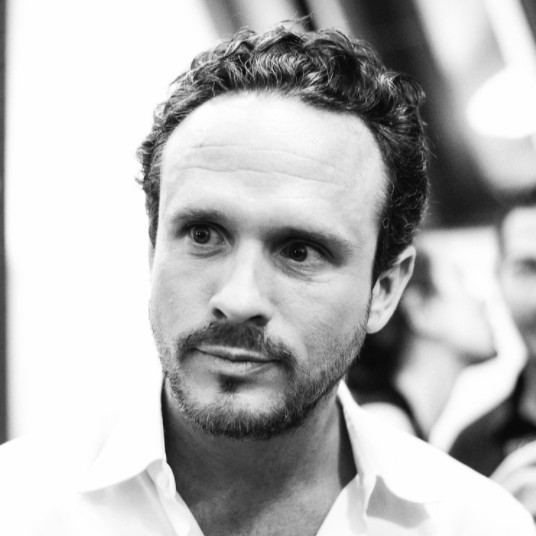
Christophe Garnier Wants to Delete the Empty-Desk Tax
After mobile ads, a bruising e-commerce collapse and a coworking detour, the Upflex co-founder found his durable idea in real estate’s least glamorous fact: paid-for desks sitting empty.

Roi Tiger Is Back at the Endpoint, Where AI Meets Its Messiest Reality
After Onavo and nearly nine years inside Meta, Roi Tiger has returned to startup life with Glow - and a prevention-first bet on the unruly machines where people actually work.
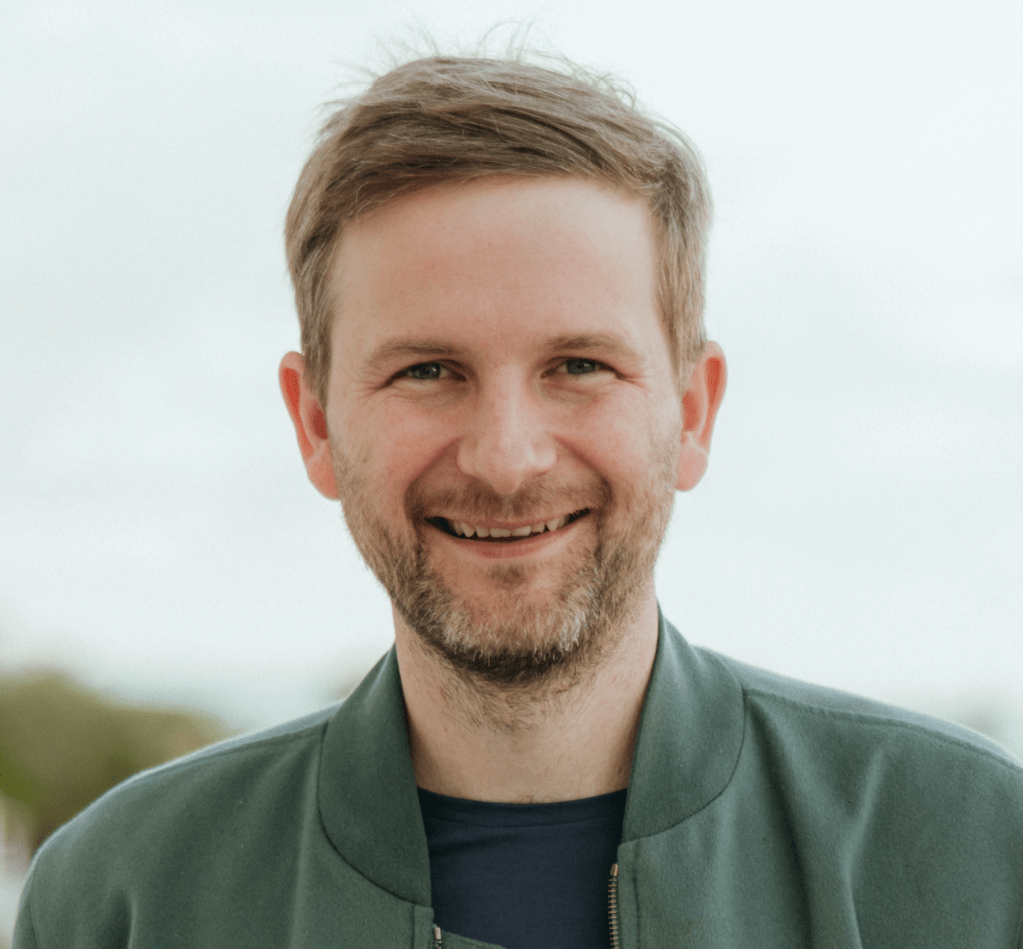
Brian Long Built Two Marketing Companies. Then a Fake Brian Texted His Team.
After TapCommerce and Attentive, the repeat founder chose a less comfortable problem: teaching companies to recognize the voices, messages and faces that AI can counterfeit.

Carl Whatley Built Pharma Companies by Choosing the Unfashionable Middle
For four decades, the Alabama pharmaceutical entrepreneur kept returning to overlooked products, small teams and the difficult work between a molecule and a pharmacy shelf. His career is a study in patient execution - and in knowing when to sell.
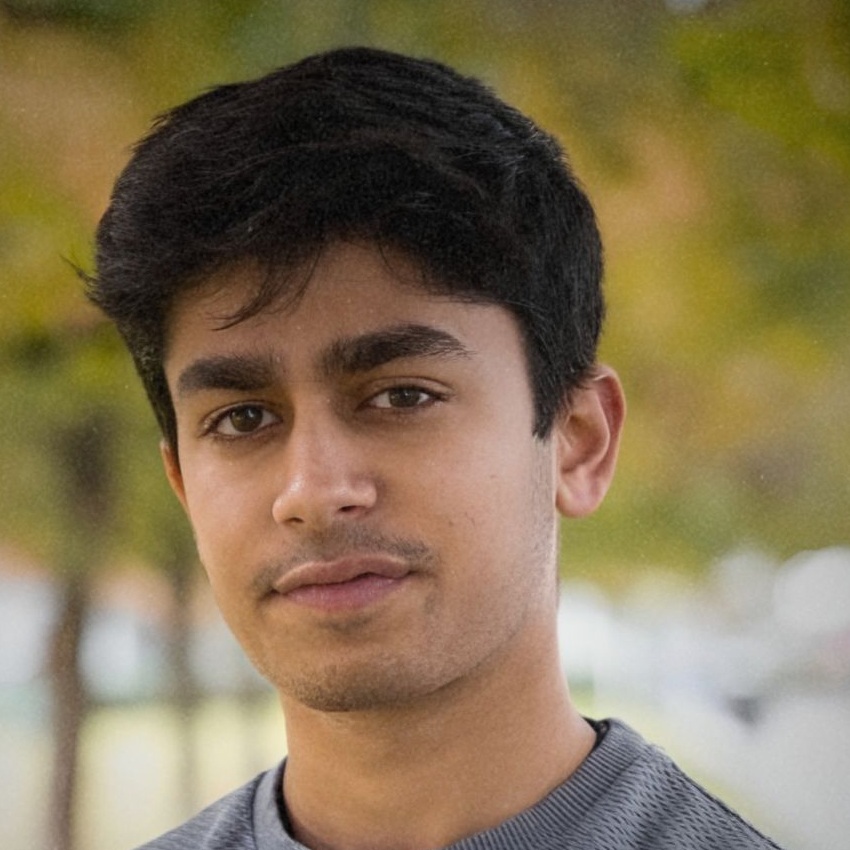
Ali Tabba Is Building a Money Agent That Can Actually Do the Chores
After an early chapter inside the company that became Zepto and a turn at BlackRock, Ali Tabba is betting that the next personal-finance interface will act on instructions, not merely display balances.
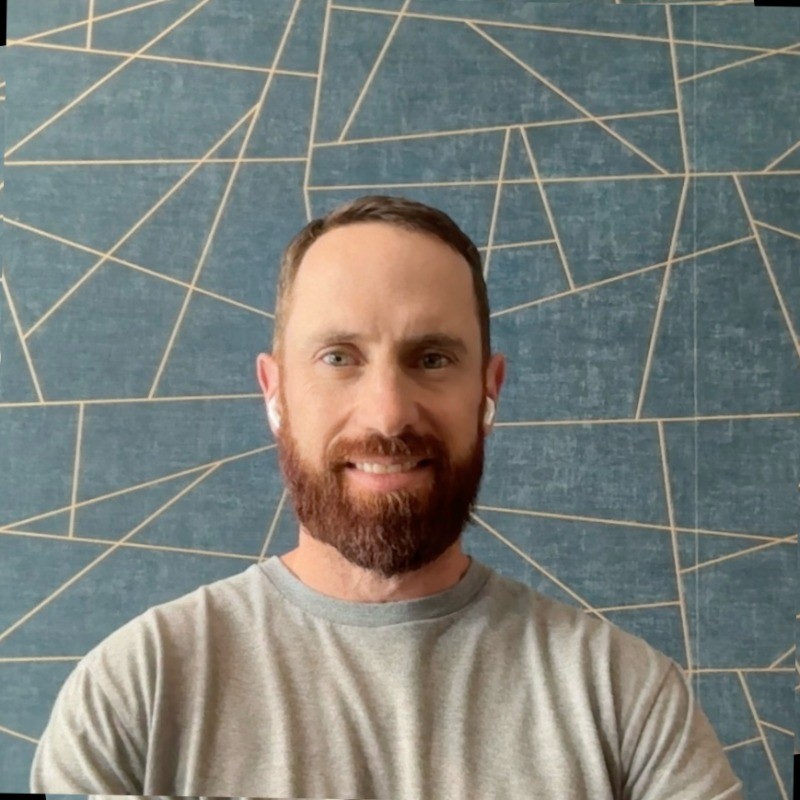
Todd Sullivan
Todd Sullivan is the CEO and co-founder of Humoniq (YC S25), an AI-native business process outsourcing company that uses voice and text AI agents to run customer support and back-office operations for airlines, airports, OTAs and travel management companies. An Australian software engineer turned repeat founder, he previously co-founded Flightfox (YC S12), a human-powered flight-search marketplace he grew to roughly $22M in annual revenue, and before that Globetrooper, a social travel platform he sold in 2011. He is rebuilding the travel support layer he spent a decade running by hand, this time with AI.
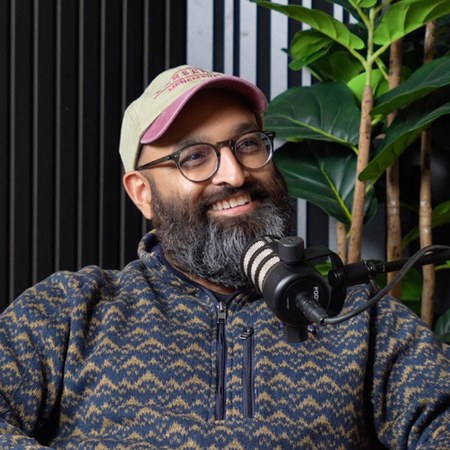
Nikhil Sethi
Nikhil Sethi is the co-founder and CEO of Workgrounds, a New York startup using AI to automate the slow, phone-and-email world of corporate hotel room block booking. He is a repeat founder: alongside Garrett Ullom he built the adtech company Adaptly from a Northwestern dorm room into a 200-person business serving brands like PepsiCo, Fox, and Domino's before Accenture acquired it in 2018. After running global programmatic services at Accenture, he reunited with Ullom in 2022 to attack a problem they had both lived through - the painful logistics of booking group travel - raising $2.6M to launch Workgrounds.

Evan Stites-Clayton
Evan Stites-Clayton is a General Partner and CTO at HF0, a San Francisco-based residency and venture fund that backs repeat technical founders building AI-native startups. He previously co-founded Teespring with Walker Williams at Brown University in 2011, scaling it from a $3,000 weekend experiment to over $1 billion in cumulative sales and $65 million raised from Andreessen Horowitz and Khosla Ventures before going through Y Combinator's W13 batch. Named to Forbes 30 Under 30, he joined HF0 in 2022 to help the next generation of builders compress the gap between idea and scale.
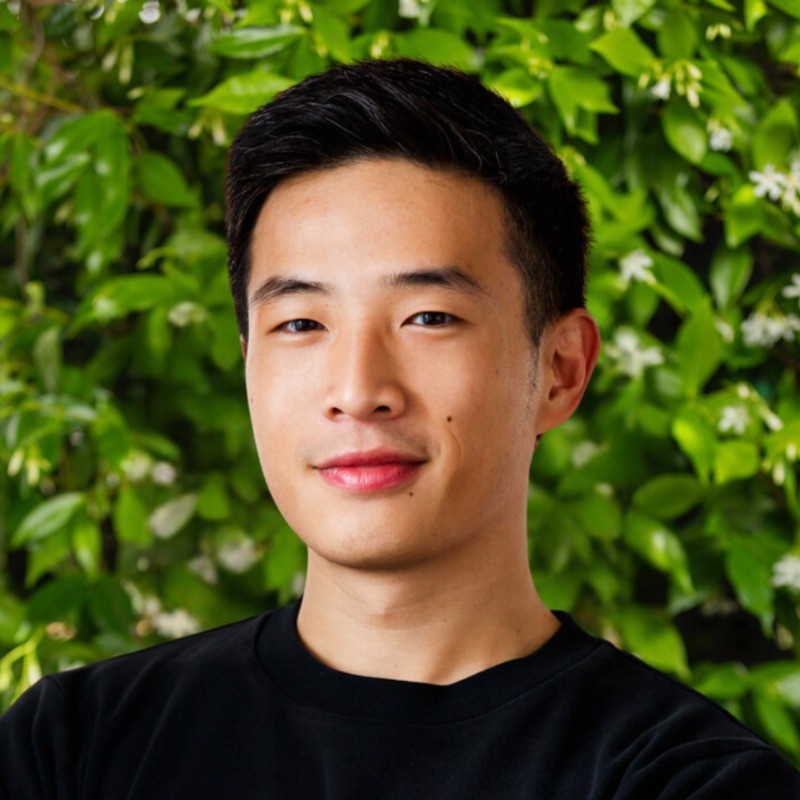
Will Yin
Will Yin is the co-founder and CEO of Mandolin, a San Francisco AI automation company building autonomous agents for specialty drug access. A Greenwich High School valedictorian and Stanford dropout, Yin previously co-founded Jupiter (YC-backed, $9M raised) before pivoting to healthcare. At Mandolin, he and co-founder Rohit Rustagi have raised $97M to automate the back-office workflows — prior auth, benefits verification, billing — that delay cancer and Alzheimer's patients from getting life-saving specialty therapies. Within months of launch, Mandolin deployed across 700+ clinics serving 250,000+ new patients annually.