power-electronics
(7)
Brandon Ridley Builds Marketing Teams With an Expiration Date
He began at a soldering bench, built a power-electronics test instrument, and crossed into industrial marketing. Now his pitch to hardware founders is unusually finite: give him six months to build the function, then let him leave.

Mark Granahan Retired. Then He Found a Better Way to Use Silicon.
A retired chip executive went back to the journals, rented time in a university nanofab, and spent seven years proving that ordinary silicon still had another act.
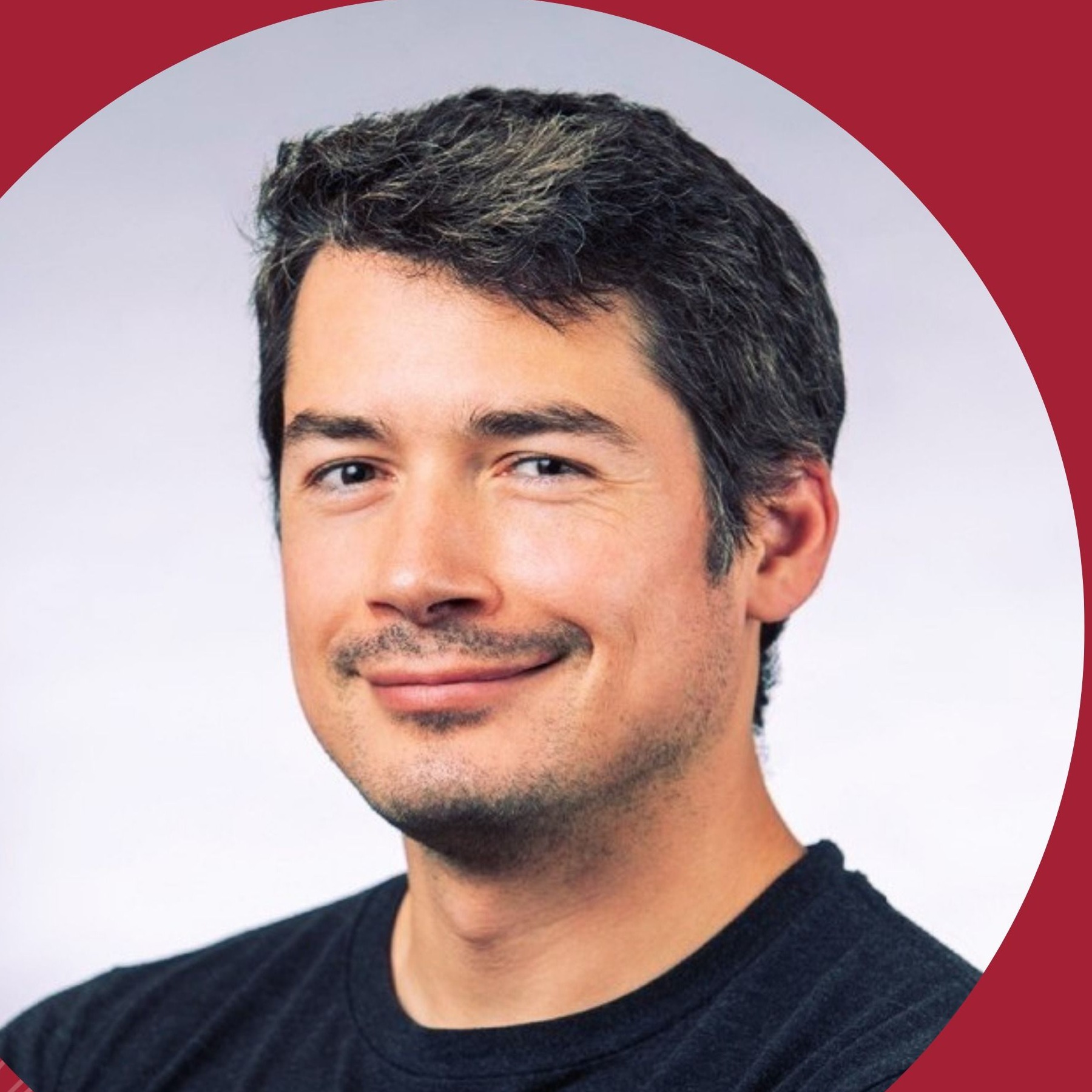
Andrei Iancu Is Teaching Factories to Cut Crystals With Light
The Halo Industries founder turned a Stanford materials problem into a semiconductor manufacturing company. His wager is practical: waste less of the crystal, learn faster on the factory floor, and let better power electronics follow.
Mohamed Badawy
Mohamed Badawy is the founder and CEO of Scalvy, an Austin-based hardware startup building modular 'Power Neuron' electronics that replace centralized inverters, chargers and DC-DC converters in electric vehicles, energy storage and AI data centers. A former tenured associate professor at San Jose State University who founded and directed its Center of Power Electronic Converters, he left academia in 2024 to commercialize the modular architecture he had been researching. In March 2026 Scalvy closed a $13.9M Series A co-led by Silicon Badia with Azolla Ventures, Climate Capital and SkyRiver Ventures.

Arno Merkle
Arno Merkle is the co-founder and CEO of Crystal Sonic, a Phoenix deep tech startup whose patented Sonic Lift-Off technology uses sound waves as an 'acoustic scalpel' to split thin device layers off semiconductor wafers so the costly substrate can be reused. A materials scientist with a Ph.D. from Northwestern and more than 75 technical papers to his name, Merkle spent two decades building and exiting X-ray and electron microscopy companies (Xradia, acquired by Carl Zeiss in 2013; XRE, acquired by Tescan in 2018) before turning his attention to one of chipmaking's quietest scandals: that conventional wafering throws away 90% or more of pristine, expensive crystal. With Crystal Sonic he is trying to make next-generation chips cheaper and far less wasteful, one sound wave at a time.
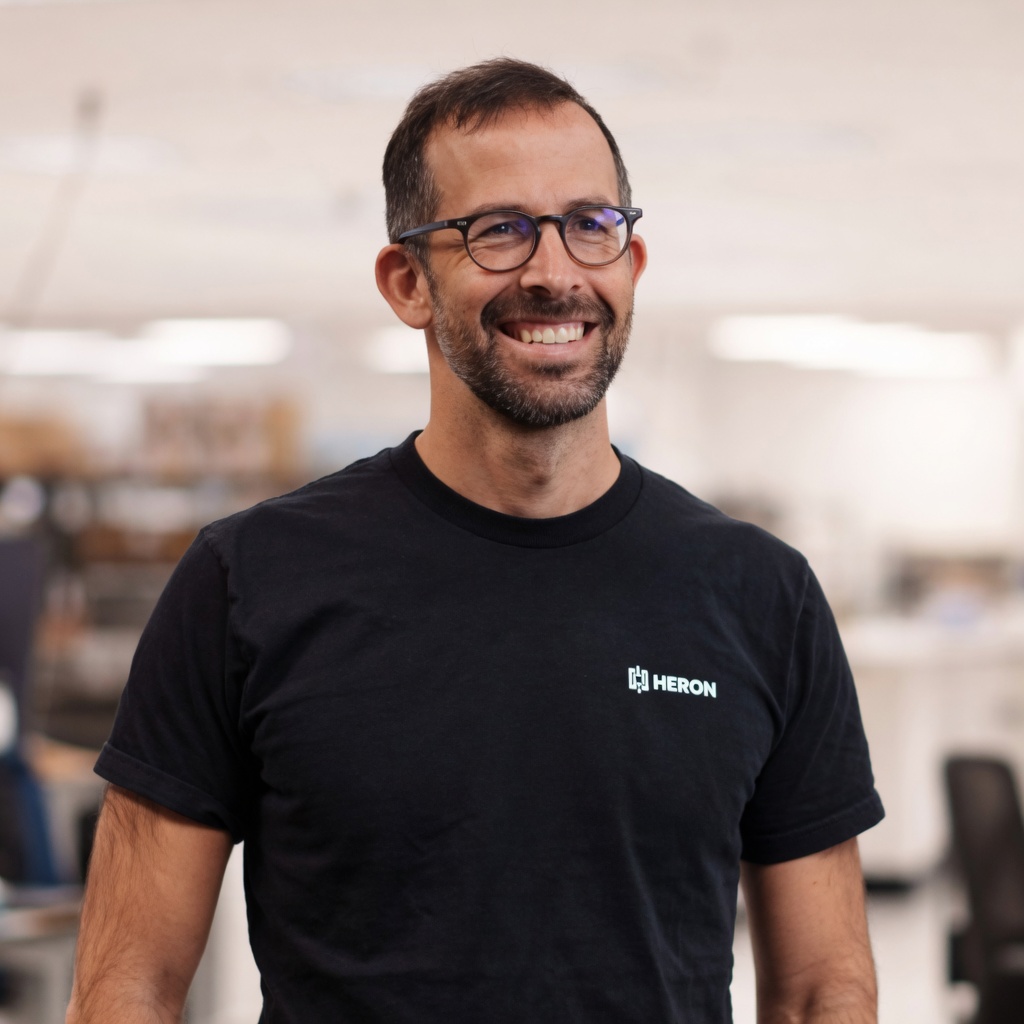
Drew Baglino
Drew Baglino spent 18 years at Tesla building the guts of the electric age - the Model S powertrain, the Powerwall and Megapack, the 4680 battery cell and a clean-sheet 50 GWh factory in Texas. In 2024 he walked away as Senior Vice President of Powertrain and Energy and aimed his next act at the one piece of grid hardware almost nobody had touched in a century: the transformer. His startup, Heron Power, builds software-controlled solid-state transformers and in February 2026 raised a $140 million Series B co-led by Andreessen Horowitz and Breakthrough Energy Ventures to build a 40 GW U.S. factory. He also quietly founded a residential heat-pump company, Sadi Thermal Machines.
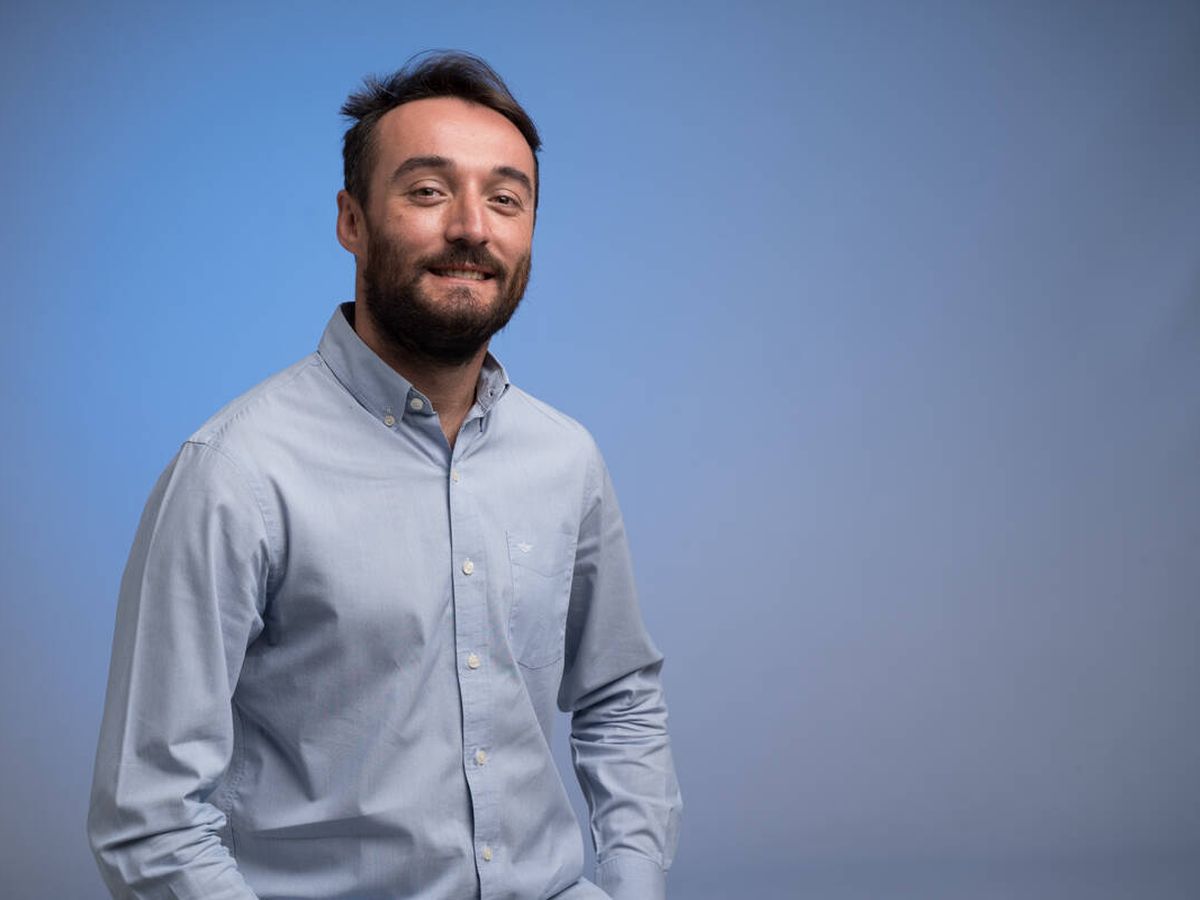
Chema Molina
Chema Molina is the CEO and founder of Frenetic, a Madrid-born, San Francisco-based deep-tech company that uses AI to collapse the design time for high-frequency magnetic components from nine months to one week. Holding a PhD in Industrial Electronics from Universidad Politécnica de Madrid, Molina built Frenetic on the conviction that power electronics — the invisible backbone of EVs, aerospace, and consumer devices — deserved smarter, faster design tools. His platform now serves clients including NASA, GE, Bosch, Infineon, and Thales Alenia Space, and has raised over $19 million in funding, including a $12.3M Series A led by Kibo Ventures in 2023.