player-development
(11)
FC London’s big ambition starts on a local pitch
A North American title, a Toronto FC connection and a C$2 million field helped FC London build a route through the game. Its harder assignment is making player development and the scoreboard agree.
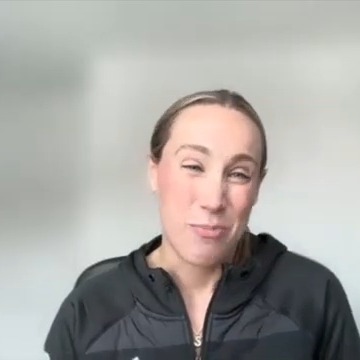
Samantha Stewart Keeps Soccer’s Scoreboard Off the Pitch
A former Division I defender turned nonprofit sports executive, Samantha Stewart measures the game in returning players, better coaches and doors held open for the next child.
The Soccer Club That Outgrew Youth - and Built a Lifetime Customer
Burlington Soccer Club began with four police-backed teams and fewer than 100 players. Six decades later, its smartest move is less about trophies than architecture: one local system designed to keep people in the game from toddlerhood to adult league night.
When Tennis Canada’s $60 Million Summer Vanished, It Exposed the Flywheel Behind the Sport
A two-city tournament pays for courts, coaches and champions across a continent-sized country. The pandemic revealed how fragile that bargain was - and the rebuild offers a playbook for any mission-led organization with one very profitable product.

The Pocket-Sized Radar Gun That Talked Its Way Into 30 Big-League Dugouts
Three Sonoma County engineers looked at a $1,000 radar gun the size of a hair dryer and asked why anyone measuring a fastball should need either. Fifteen years later their answer sits in 30 major-league dugouts.
The NWSL Is Building the League Women’s Soccer Was Always Told to Wait For
Sixteen clubs, four major media partners and one newly liberated player market have turned the NWSL into a revealing test of what happens when women’s soccer is treated as a durable business, not a charitable cause.

Perfect Game Built Baseball’s Most Valuable Waiting Room
A weekend tournament company became the data layer between a teenager’s fastball and the people who can change his future. Thirty-one years in, Perfect Game’s real product is not the game - it is the record of who showed up and what happened next.
HELIOS
HELIOS is a Portsmouth, New Hampshire sports-technology company that builds a hardware-free wearable and app platform for hockey. Its Core sensor clips to a shoulder pad and uses stride-recognition machine learning to measure skating explosiveness, agility, speed and balance, then syncs the data with shift video so players and coaches get instant, benchmarked feedback the moment a shift ends. The company's stated goal is to give youth, college and pro players the same quality of performance data that was once reserved for elite programs, sold as a hardware-plus-software membership.

Pelotero
Pelotero is a Player Intelligence Platform for baseball and softball that blends computer vision, bat-sensor data, and professional coaching expertise to deliver personalized player development. Using nothing more than a phone video, the app scores a hitter's swing across 50+ mechanical attributes, identifies the gap between current performance and potential, and turns that data into individualized training plans. Founded by former MLB player Chris Colabello and hitting coach Bobby Tewksbary and led by serial software entrepreneur Bennett Fisher, the company has assessed more than 10,000 players and works with 40+ organizations plus scouting service Perfect Game.
Bennett Fisher
Bennett Fisher is the CEO of Pelotero, a player-intelligence platform that turns smartphone video and bat-sensor data into personalized training for baseball and softball hitters. A self-described 4X tech entrepreneur and category builder, he previously founded and exited Retroficiency (energy analytics, acquired by ENGIE Insight) and Pulsify (people analytics, acquired by Hire Technologies), and served as COO of Paceline. An MIT Sloan MBA, he now applies a career spent making messy data useful to the question of why most young athletes never find out how good they could be.

Bill Near
Bill Near is the founder and CEO of HELIOS, a Portsmouth, New Hampshire sports-technology company that turns hockey development into something you can actually measure. An MIT engineer who captained the school's hockey team, Near pairs an AI-powered sensor that clips to a player's shoulder pads with automated shift video so any skater - youth to pro - can see real numbers on stride speed, acceleration and effort. He built the company in 2018 alongside Hall of Famer Ron Francis, and in October 2025 raised a $2.2M seed round from a syndicate of active NHL executives and players to scale it.