optical-networking
(13)
Engage PR makes the internet’s plumbing worth talking about
Fiber routes, optical networks, data centers: Engage PR works where the technology is complicated and the audience is exacting. Its second act began just as the world stopped meeting in person.
Ciena’s AI opportunity runs through old fiber
The company that helped telephone carriers squeeze more from their cables is selling the same economic idea to the AI era. The speeds have changed. The appeal of avoiding another dig has not.
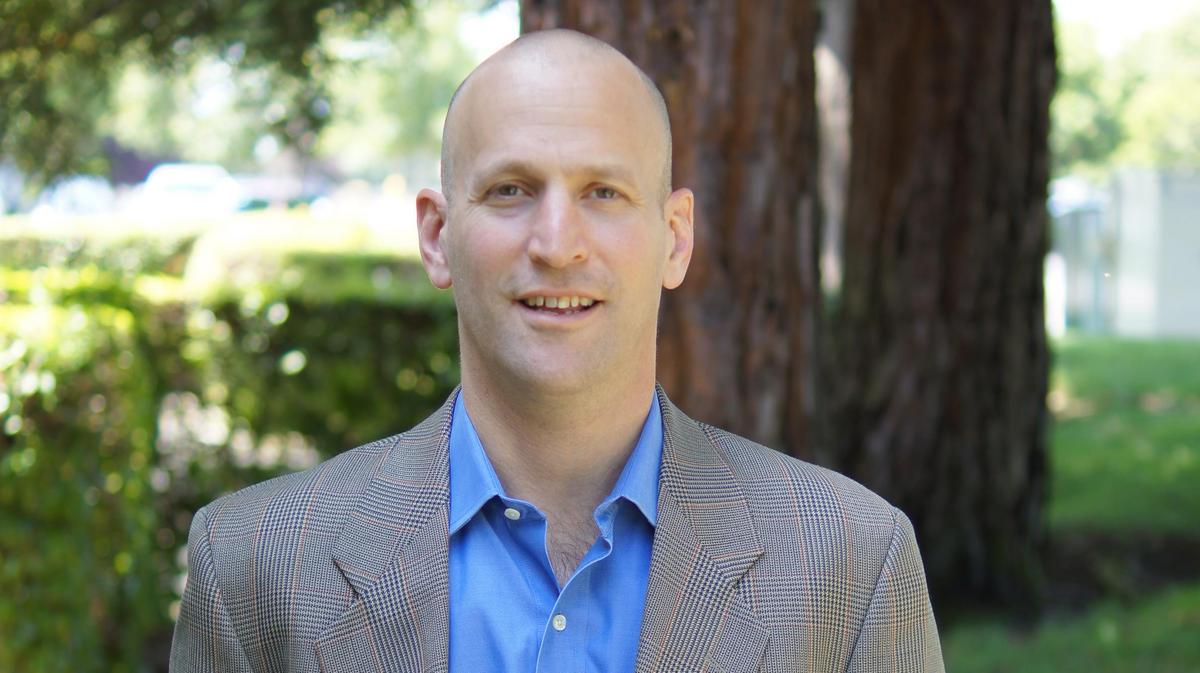
David Friedman Has Spent 30 Years Finding the Bottleneck Before It Becomes Obvious
Before AI data centers ran into a wall of copper, David Friedman had already made a career out of standing where hardware, software and manufacturing collide. His latest act at Lumilens turns a founder’s oldest habit - spotting the constraint early - into an operations job measured in light.
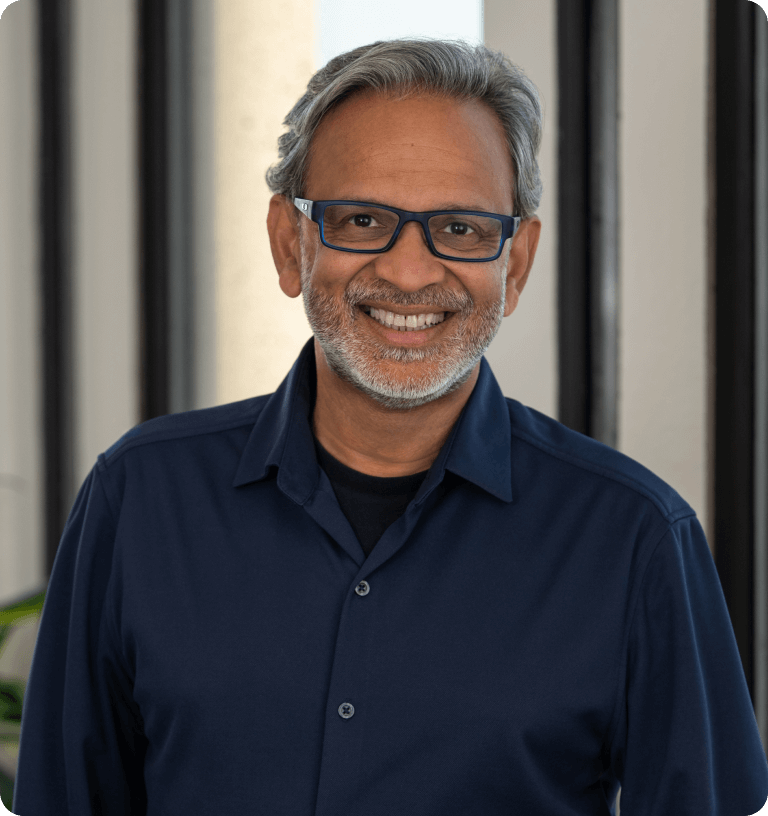
Ashish Vengsarkar Builds Networks Like Crosswords: One Connection at a Time
At Bell Labs, in startups and at Google, he learned to make light carry more of the world’s traffic. Now the nEye.ai CEO is applying three decades of optical-networking lessons to the physical limits of AI.

Lumentum
The AI boom has a plumbing problem: copper cannot carry every conversation between millions of chips. Lumentum is turning light into the scarce infrastructure layer - one laser, transceiver and microscopic mirror at a time.

Coherent Corp.
AI may live in software, but it moves through light. Coherent makes much of the physical kit - from laser chips and specialty materials to complete optical links - that lets data centers, factories and scientific instruments work at speed.

Accton
Accton spent decades building the switches behind other companies’ brands. Now AI has turned that quiet Taiwanese manufacturing playbook into an $8 billion open-infrastructure business - and pulled it from the rack into optics, cooling and compute.
Cspeed
Cspeed is a Palo Alto optical semiconductor startup building silicon photonics and high-density III-V laser array technology to replace copper interconnects inside large-scale AI clusters. Founded in 2022 and led by serial semiconductor entrepreneur Sanjai Kohli, the company targets the data-movement bottlenecks that limit 'scale-up' AI infrastructure, aiming to deliver fiber-optic connectivity dense and cheap enough for high-volume datacenter deployment.

TeraHop
TeraHop is an optical solutions provider building high-speed optical transceivers and modules for AI clusters and data centers. Operating from Singapore, San Jose, Thailand and a new Texas plant, it ships 400G, 800G, 1.6T and emerging 12.8T-class optics. As the international-facing arm of Zhongji InnoLight - the world's largest optical-transceiver maker - TeraHop pairs high-volume manufacturing with R&D partnerships across NVIDIA, Marvell and Corning, and in 2025-2026 raised roughly US$517M with backing from Abu Dhabi's ADIA and Singapore's Temasek.

Mian Zhang
Mian Zhang is the co-founder and CEO of HyperLight, the Cambridge-based deep-tech company commercializing thin-film lithium niobate (TFLN) photonics. A Cornell-trained physicist who did his foundational work in Marko Loncar's lab at Harvard, Zhang took a notoriously hard-to-manufacture optical material and shrank it onto silicon-style chips - cutting signal loss roughly 100-fold in work published in Nature. HyperLight now runs the industry's first high-volume, qualified 6-inch TFLN production line and is pushing 400G-per-lane photonic circuits into hyperscale AI data centers through partnerships with UMC, Wavetek, and Jabil.

Rajiv Ramaswami
Rajiv Ramaswami is the President and CEO of Nutanix, the San Jose-based hybrid multicloud software company. An optical networking PhD who built a 30-year career at IBM Research, Nortel, Cisco, Broadcom and VMware before taking the top job at Nutanix in December 2020, he holds 36 patents and is a Fellow of the IEEE.
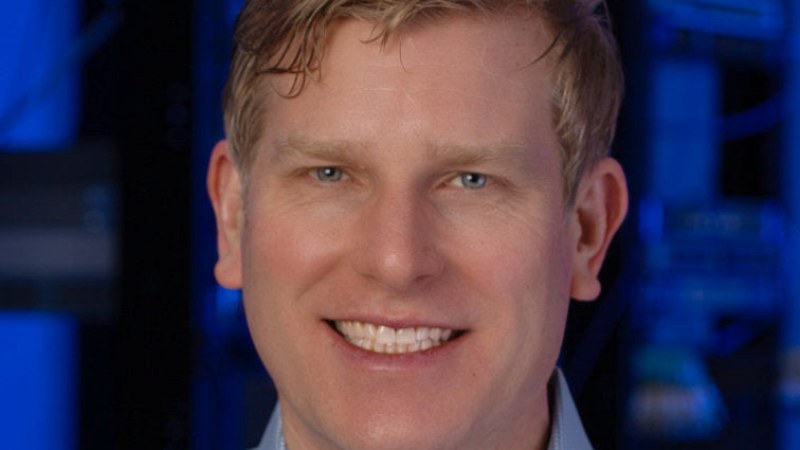
Todd Swanson
Todd Swanson is the Chief Executive Officer of Proficium, a Union City, California-based company specializing in high-performance optical transceivers, fiber optic cables, and connectivity solutions for hyperscale data centers and AI/ML clusters. With over 30 years in optical networking, he brings deep expertise from Finisar (where he rose to Co-CEO and COO) and Intel (where he led Silicon Photonics as VP/GM). Appointed in August 2024 following Proficium's acquisition by Mill Point Capital, Swanson is steering the company through the AI-driven data center connectivity boom.

Bardia Pezeshki
Bardia Pezeshki is a serial entrepreneur and photonics pioneer who has spent three decades turning light into bandwidth. As co-founder of Avicena Tech, he is leading the push to replace copper chip-to-chip interconnects with microLED-based optical links - a bet that energy efficiency, not raw speed, is the bottleneck holding back AI infrastructure. With a Stanford PhD in electrical engineering, a prior company (Santur) that moved most of the world's long-distance internet traffic, and a $65M Series B closed in May 2025, Pezeshki is now in the race to wire the AI data center of the future with light.