open-internet
(7)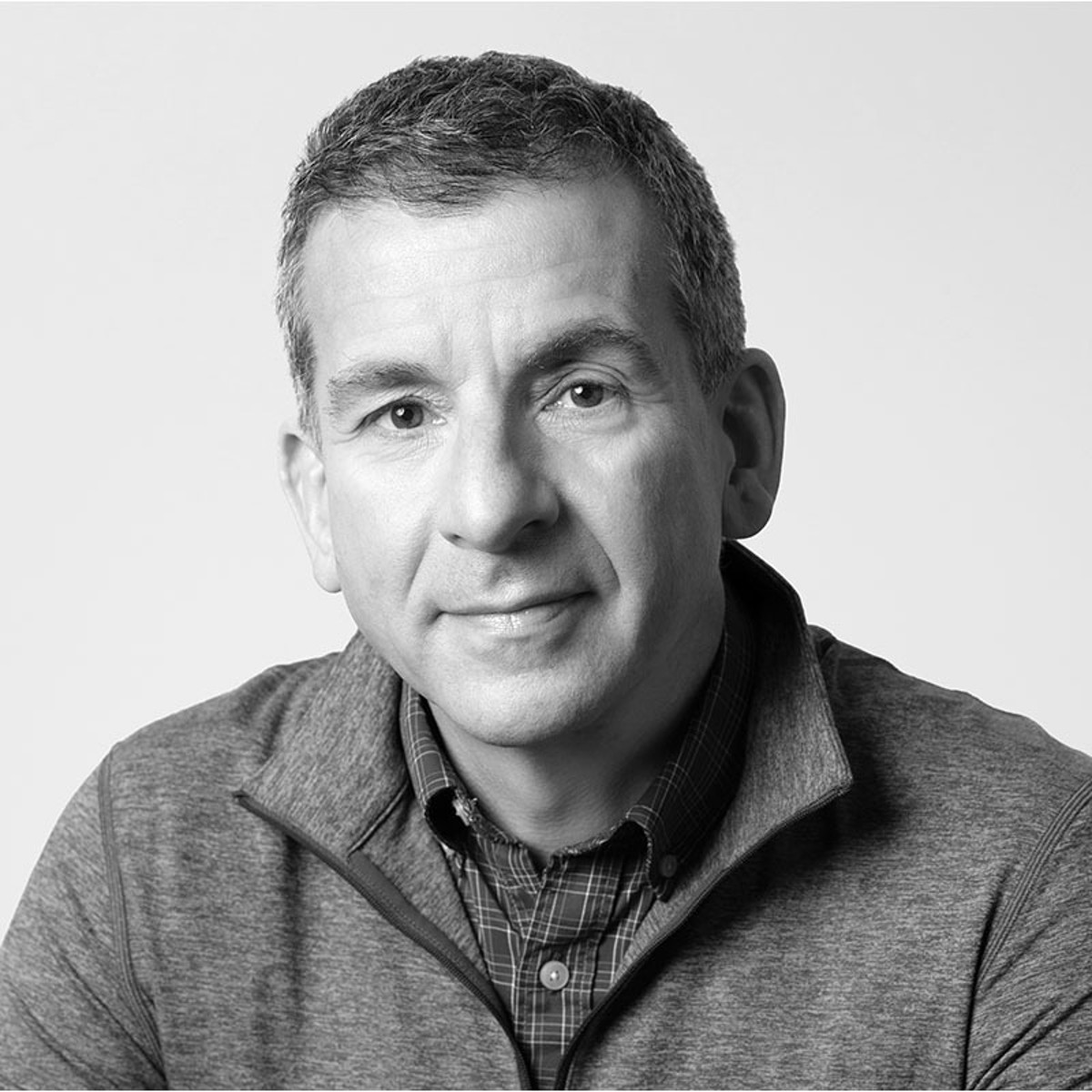
Ian Colley Is Giving Adtech a More Consequential Brief
After two decades at IBM and seven years helping The Trade Desk explain the open internet, Ian Colley has taken on a narrower market with a larger question: can advertising intelligence help companies make better decisions before the campaign even begins?

The Ad-Tech Choice Hiding Inside Your Media Budget
The Trade Desk and Criteo can both buy an ad, but their histories, incentives and data advantages point in different directions. The useful question is not which platform wins. It is which job your budget needs done.
The Trade Desk
The Trade Desk built a $2.9 billion business by making one unusual promise: it would help advertisers buy media without owning the media itself. Now its AI, identity tools and TV ambitions are testing how far neutrality can scale.
Teads
Teads wants to make the fragmented open internet buyable like one coherent medium. After combining Outbrain's performance engine with Teads' premium video and creative stack, its wager is that the web outside the walled gardens can compete screen by screen - including the biggest one in the house.
Ogury
Ogury is betting that advertisers can understand people without following them. Its persona-based system turns surveys and contextual signals into campaigns across the open internet - a pragmatic answer to the slow collapse of cookies and mobile IDs.

Konrad Feldman
Konrad Feldman is the co-founder and CEO of Quantcast, the San Francisco audience-intelligence company he started with Paul Sutter in 2006. A London-born computer scientist with a UCL PhD in neural networks, he was building machine-learning systems for banks two decades before AI became a marketing department buzzword. Today he is making the case that advertising, done with better data and smarter models, is what keeps the open internet open.
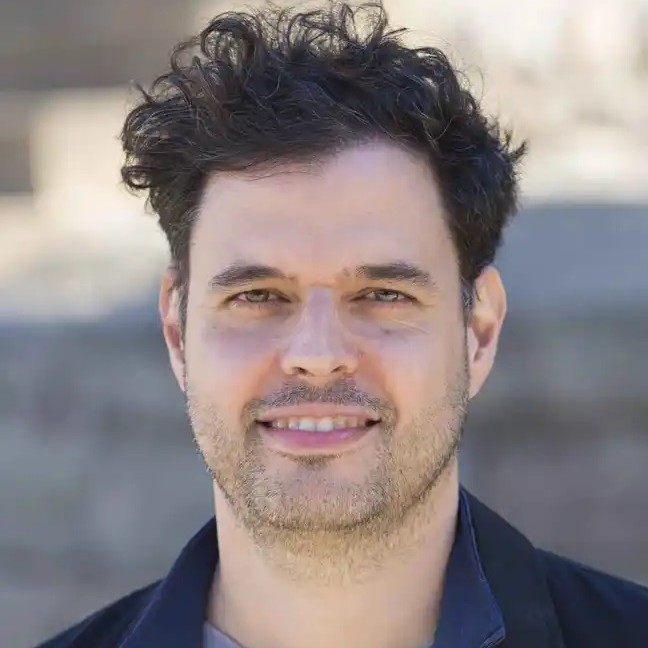
Luis Garrido
Luis Hernandez Garrido is the co-founder and CEO of Uptodown, the world's largest alternative app store, which he launched in 2002 as a university project in Malaga, Spain. Over two decades he has grown it into a platform with 130 million monthly active users and 450 million APK downloads per month - all without a single outside investor. Now based in Berkeley, California, he champions open internet principles, device neutrality, and democratized software distribution, and is an active voice in the Coalition for App Fairness pushing back against Google and Apple's app store dominance.