natural-products
(12)
Joe Rokicki Builds Where Science Refuses to Stay in Its Lane
An electrical engineer wandered into biology and never accepted its departmental borders. At Enveda, Joe Rokicki turned that restlessness into a method for building the tools that let nature's chemistry speak.

The Agency That Asked Why Mothers Bought the Wrong Formula
Christie & Co has spent three decades selling purpose without pretending purpose sells itself. Its best tool is not a slogan, but a deceptively simple question: what actually made you choose?

Viswa Colluru Is Building a Search Engine for Nature’s Unread Chemistry
The founder of Enveda turned an old question - what has nature already invented? - into a new kind of drug-discovery company, built across Boulder and Hyderabad and designed to keep learning around the clock.

Healthy Planet’s Grocery Bet: The Retail Playbook Behind a Vitamin Kiosk’s 45-Store Climb
Healthy Planet spent three decades turning a cramped Toronto kiosk into a 45-store wellness chain. Its most useful move was not adding another vitamin aisle - it was learning how to become a grocer, a kitchen and a local-brand discovery engine at the same time.

Khona Scientific Is Turning Baker's Yeast Into a Tiny Pharmaceutical Supply Chain
Khona began with rare cannabinoids and a stubborn biological problem: long pathways leak value at every step. Now the four-person Colorado biotech is aiming its microbial assembly line at a larger prize - domestic supplies of pharmaceutical starting materials and APIs.
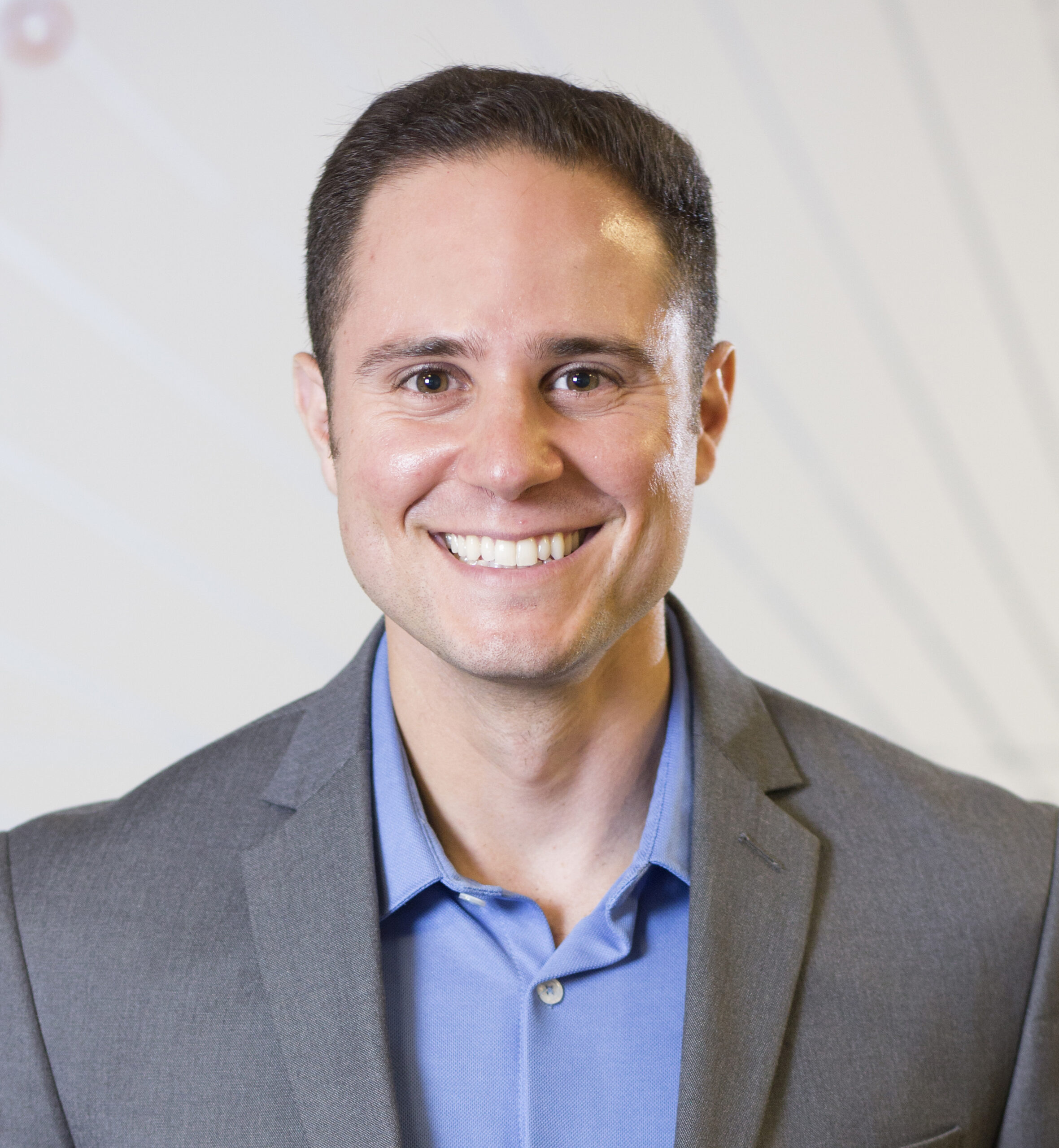
Kareem Barghouti Is Mapping Nature’s Hidden Chemistry
After learning to scale systems at Google, the Pragma Bio co-founder turned toward a harder map: the mostly unread chemistry made by living systems. His next chapter at Enveda puts that long-running idea inside a larger machine for translating nature into new molecules.

The Soap Bottle That Thinks It’s a Constitution
Dr. Bronner’s built a $209.8 million business around concentrated soap, crowded labels and a stubborn idea: the values should be inside the operating model, not parked in an ad campaign.

Frontier Co-op
A two-person spice operation that began in an Iowa river cabin now links tens of thousands of member-owners to growers around the world. Its real product is not only what sits in the jar - it is a supply chain designed to keep quality, livelihoods and accountability in the same conversation.

Enveda
Enveda is a clinical-stage biotech that uses artificial intelligence to read the chemistry of the natural world and turn it into new medicines. Founded in 2019 by Viswa Colluru, the company built PRISM, a foundation model trained on more than a billion mass spectra, to decode the structure of natural molecules that traditional methods leave invisible. That platform has produced a pipeline of small-molecule drug candidates - led by ENV-294, an oral anti-inflammatory now in Phase 2 trials for atopic dermatitis and asthma. Backed by more than $700M in funding and valued as a unicorn, Enveda operates out of Boulder, Colorado and Hyderabad, India.

Hexagon Bio
Hexagon Bio is a Menlo Park biotech that mines the genomes of fungi and other microbes to discover new medicines. Its platform pairs machine learning, genomics, and synthetic biology to read DNA sequences, predict the small molecules they encode, and connect those molecules to the human proteins they act on - skipping the random trial-and-error that has long defined natural-product drug discovery. The company is focused on novel cytotoxic payloads for antibody-drug conjugates (ADCs) in oncology, and in late 2025 extended its approach to agriculture through a joint venture with Corteva.

Sensorium Therapeutics
Sensorium Therapeutics is a Boston-based biotechnology company building first-in-class central nervous system (CNS) medicines by decoding nature's neuroactive chemistry with AI. Founded out of Massachusetts General Hospital and Harvard, its proprietary SensAI platform mines more than 50 million curated relationships across ethnopharmacology, chemistry, pharmacology, and clinical outcomes to identify de-risked starting points for new drugs. Its lead program, SNTX-2643, is a rapid-acting precision serotonin modulator for anxiety that received FDA IND clearance in 2025.

Maureen Hillenmeyer
Maureen Hillenmeyer is the founder and CEO of Hexagon Bio, a Menlo Park drug-discovery company that mines the genomes of fungi for hidden small molecules and engineers yeast to brew them into potential medicines. A former competitive swimmer turned computational biologist, she holds a PhD in biomedical informatics from Stanford and built the company out of a Stanford research program she led, raising more than $270 million to turn DNA sequence data into cancer and infectious-disease therapeutics.