medical-billing
(8)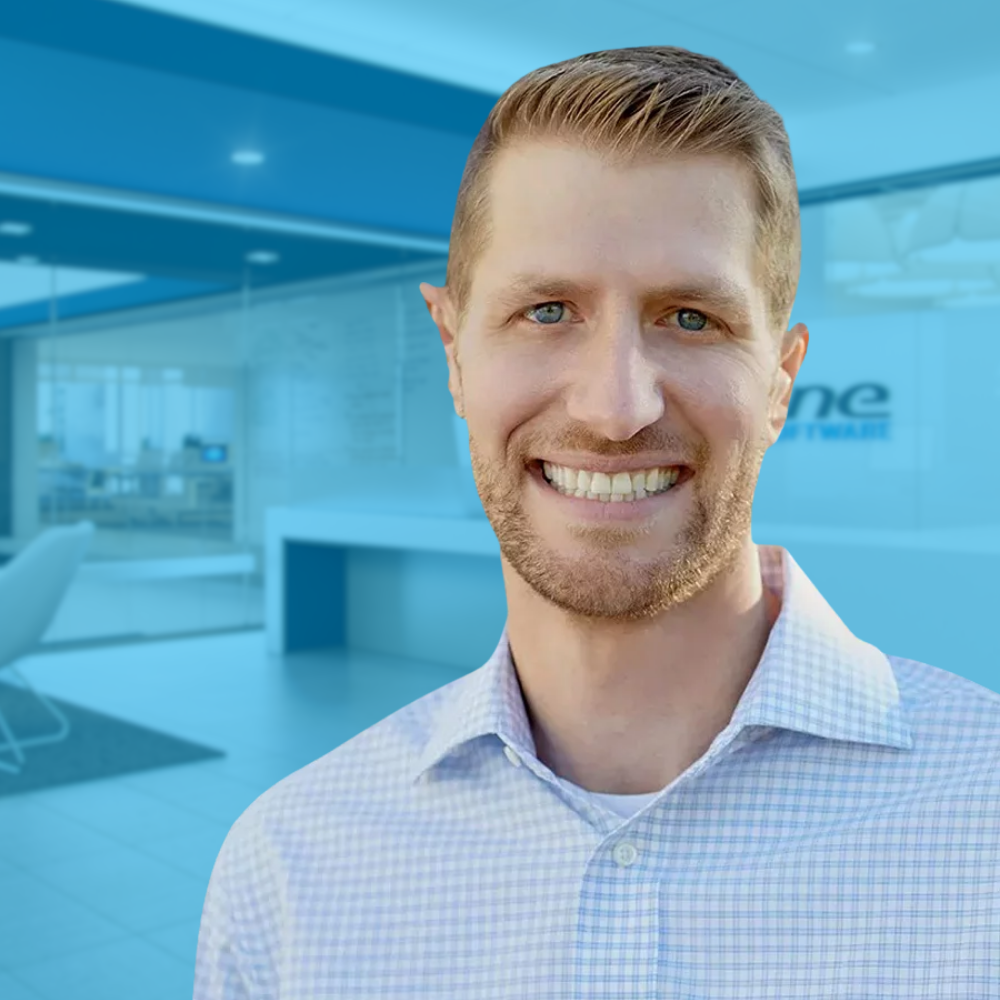
Ben Buchanan Learned to Close Games. Now He Opens Markets.
Before Ben Buchanan was translating medical-billing complexity for a market, he was a 6-foot-3 right-hander trusted with the ninth inning. His path from UNC Asheville’s bullpen to ImagineSoftware’s executive team is a study in pressure, preparation and the quiet value of finishing the job.

Akash Magoon
He learned how insurers deny claims from the inside. Then he built the machine that fights back for the doctors.

Elad Ferber
Elad Ferber is the CEO and co-founder of Synthpop, a healthcare AI company that uses multi-agent automation to handle the administrative work behind patient care - referrals, prior authorizations, eligibility checks, documentation, and claims. A former Israeli Air Force Talpiot cadet and systems engineer with a Stanford MBA, Ferber previously co-founded the remote patient monitoring startup Spry Health, which was acquired by ZOLL Itamar in 2021. Founded in 2023 with CTO Jan Jannink, Synthpop has raised $23 million to date and pitches its AI as a labor solution that compresses 40-minute back-office tasks into under a minute.
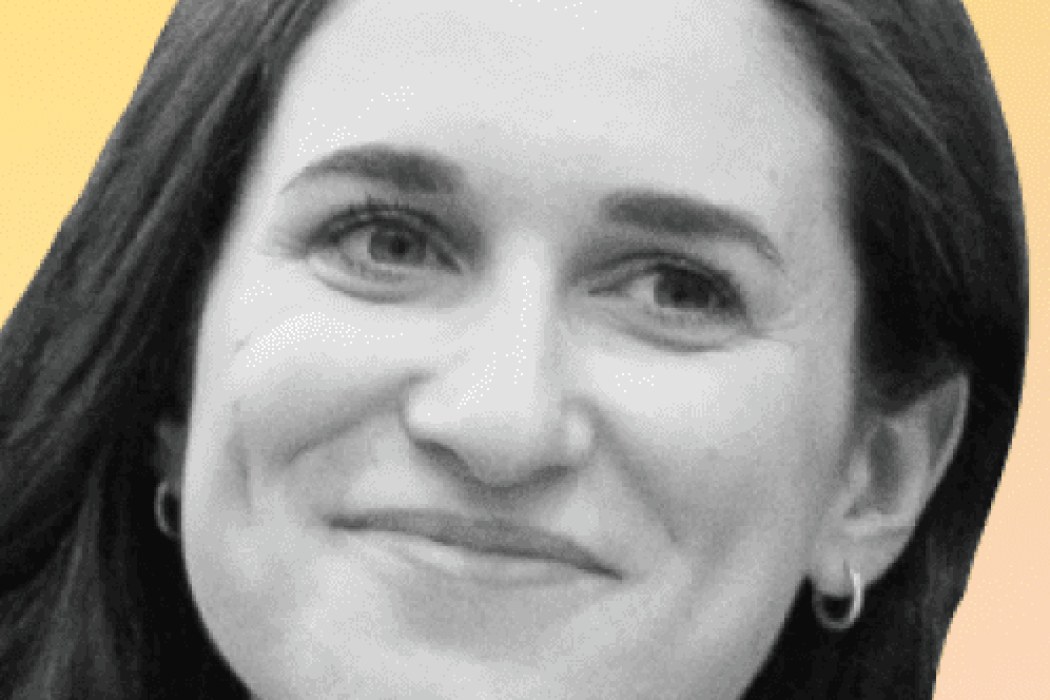
Eliana Berger
Eliana Berger is the co-founder and CEO of Joyful Health, a New York startup building AI-powered financial infrastructure for healthcare providers. The company focuses on the hardest part of the revenue cycle - chasing down denied and unpaid insurance claims - and works on performance-based pricing, getting paid only when it recovers money for clients. In April 2026, Joyful Health raised a $17M Series A led by CRV, bringing total funding to $22M. Berger's path to the problem was personal: she grew up watching her mother and grandmother run a therapy practice and struggle to understand what had been paid and what was still owed.
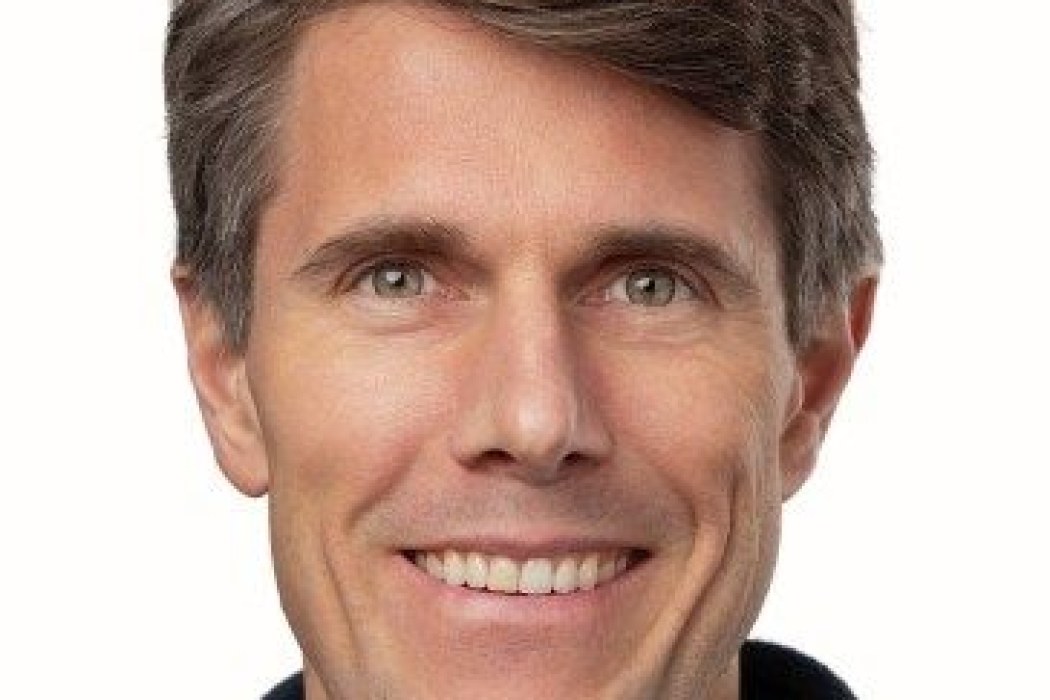
Florian Otto
Florian Otto is the co-founder and CEO of Cedar, a New York healthcare financial technology company that reworks how patients understand and pay their medical bills. A former physician trained in Germany, Otto moved from medicine into consulting at McKinsey, built a daily-deals business in Brazil that became Groupon Brazil, and ran commercial sales at ZocDoc before starting Cedar in 2016. He built the company around a simple frustration - a confusing hospital bill his fiancee received - and a bigger question: why can't healthcare billing feel as clear as buying from Amazon or Expedia? Cedar has since raised roughly $400M+ and works with hospitals and health systems across the United States.
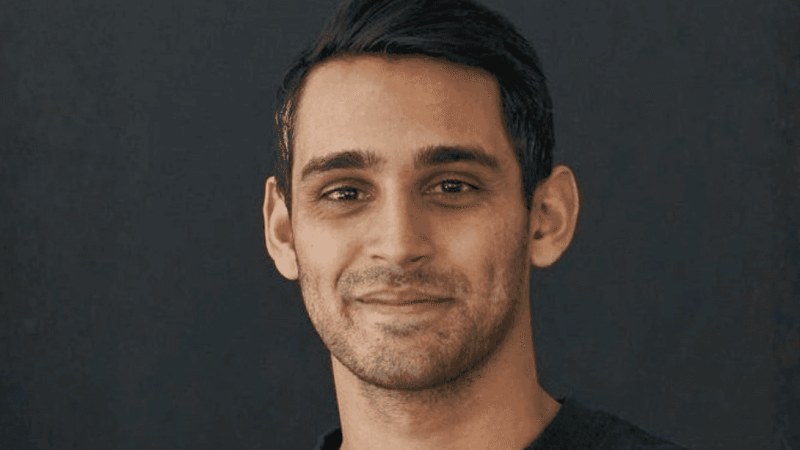
Roshan Patel
Roshan Patel is the co-founder and CEO of Arrow, a New York-based healthcare payments company (formerly Walnut) that uses AI to detect claim errors, accelerate reimbursement, and give revenue cycle teams real-time visibility into what payers are doing. He built the original company as a buy-now-pay-later product for medical bills after watching a family member's bills pile up, raised a $110 million Series A led by Gradient Ventures in 2022, then pivoted the business toward provider-side claims infrastructure and rebranded to Arrow in 2024.
Nick Shelly
Nick Shelly is the co-founder and CEO of Apero Health, a Y Combinator-backed (S19) medical-billing and revenue-cycle company in San Francisco that helps healthcare practices get paid faster and gives patients clearer bills. Before software, he was a computer scientist with an unusually wide runway: a U.S. Air Force Academy graduate, a Rhodes Scholar at Oxford, a Stanford CS researcher in computer networking, and an engineer at Apple, Nicira, and Forward Networks. He turned that systems-and-networks training toward one of the least glamorous, most broken corners of American life - the medical bill - and built Apero with co-founder Jacinda Shelly to fix the plumbing behind it.
Nick Perry
Nick Perry is the co-founder and CEO of Candid Health, a San Francisco-based AI-powered revenue cycle management platform that is rebuilding how healthcare billing works from the ground up. A Stanford-trained biomedical informaticist and five-year Palantir veteran, Perry founded Candid in 2019 with co-founders Doug Proctor and Adam Reis to solve one of healthcare's most stubborn problems: the $280 billion annual cost of incorrect medical claims. Candid's platform focuses on submitting claims correctly the first time - rather than fixing them after denial - and has scaled to serve 200+ healthcare organizations with 95%+ touchless claim rates, nearly 250% revenue growth in 2024, and $99.5 million in total funding.