medical-ai
(8)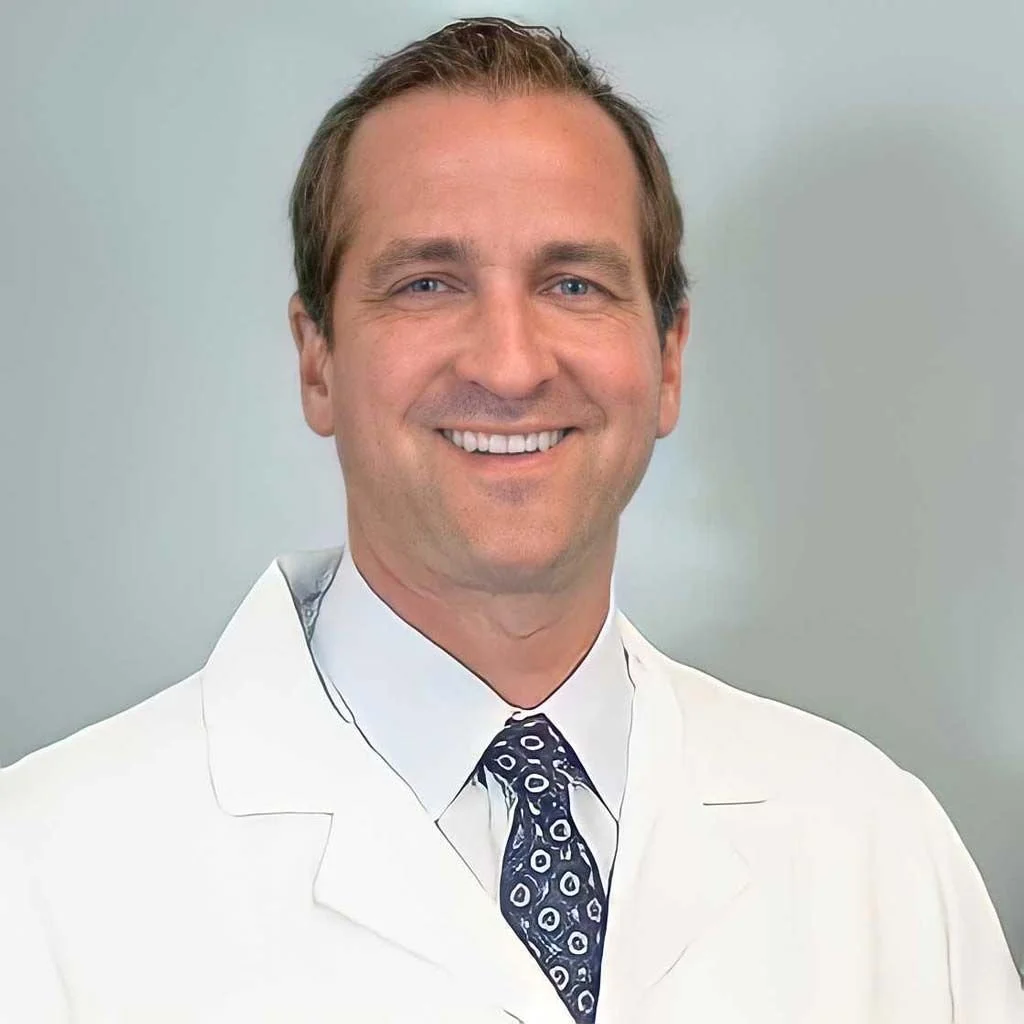
Michael Gardner Is Building a Second Operating System
After two decades inside academic medicine, the Stanford professor and MyBackHub CEO is applying a surgeon’s discipline to a founder’s problem: turning expertise into a system that can travel.
Eirini Schlosser
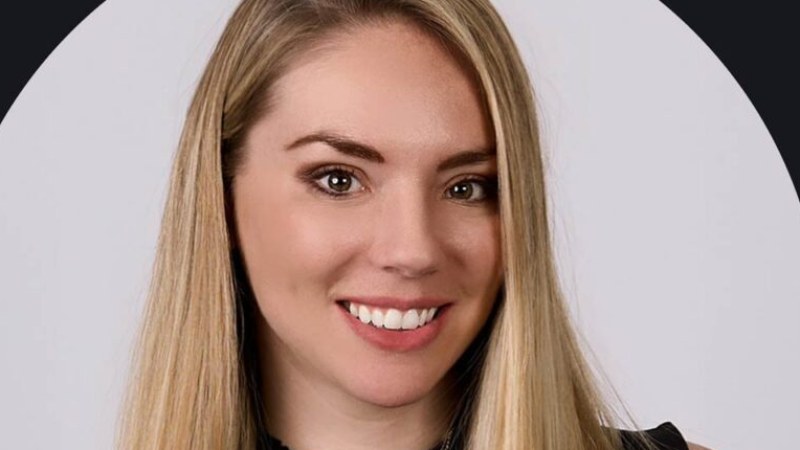
Eirini Schlosser is the founder and CEO of Dyania Health, a clinical research AI company building Synapsis AI, a natural language understanding platform that reads unstructured electronic medical records to pre-screen patients for clinical trials and automate chart abstraction. The only non-physician in a family of doctors, she spent childhood summers digitizing her father's patient records, then worked on more than $60 billion of deals at Morgan Stanley before leaving finance to build technology. She founded the NLP startup Chuz, then launched Dyania Health in 2019, raising $17.55M and earning a spot on Inc.'s 2025 Female Founders 500.
Adam Yala
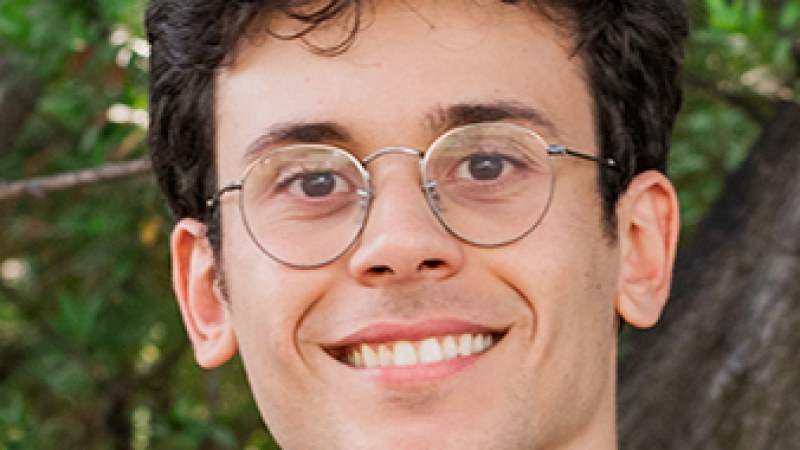
Adam Yala is a UC Berkeley and UCSF assistant professor of Computational Precision Health turned founder, now CEO of Voio, a Berkeley AI startup building frontier radiology models. At MIT he created Mirai and Sybil, open-source AI tools that flag breast and lung cancer risk years early and are now studied at more than 90 hospitals across 30 countries. In late 2025 Voio emerged from stealth with $8.6M in seed funding and Pillar-0, billed as the most accurate open AI model for radiology, with a mission to make being a radiologist more empowering rather than to replace the profession.
Diego Saavedra-Kloss
Diego Saavedra-Kloss is the founder and CEO of Sandy Health, a San Francisco startup building a financial intelligence platform for healthcare providers. An MIT-trained aerospace engineer who spent years building infrastructure at LeapYear Technologies and Rad AI, Diego now points AI at the least glamorous problem in medicine: the paperwork that decides whether a clinic gets paid. Sandy Health calculates expected reimbursement before a visit, tracks the actual payment after, and shrinks the gap in between. The company raised a $1.5M pre-seed round in November 2025.
Erik Duhaime
Erik Duhaime is the cofounder and CEO of Centaur.ai (formerly Centaur Labs), a Boston startup that turns the wisdom of crowds into medical-grade training data for AI. His PhD research at the MIT Center for Collective Intelligence showed that ordinary medical students, when their opinions are measured and pooled the right way, can out-diagnose individual experts. He built a company on that insight, raising $35M total to label the world's health and science data.
Anirudh Joshi
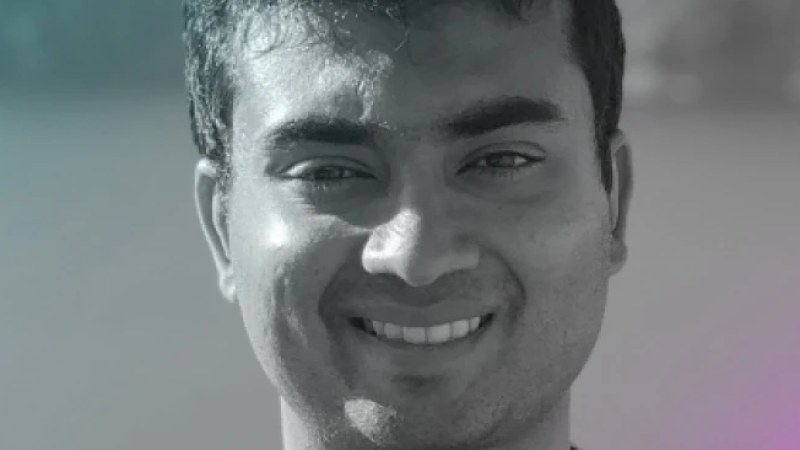
Anirudh Joshi is the co-founder and CEO of Valar Labs, a Palo Alto-based AI oncology company building tools that let doctors predict whether a specific cancer treatment will work before a patient wastes months on the wrong one. A biomedical engineer trained at Georgia Tech and Stanford, he previously built AI at Microsoft, PathAI, and Curai before co-founding Valar in 2021 with teammates from Stanford's AI in Medicine group. Valar raised $26M total, landing a $22M Series A from Andreessen Horowitz and DCVC in 2024, and its flagship test Vesta — predicting BCG therapy response in bladder cancer — is now live at 20 U.S. hospitals. Named to Forbes 30 Under 30 Healthcare 2025.
Andre Esteva
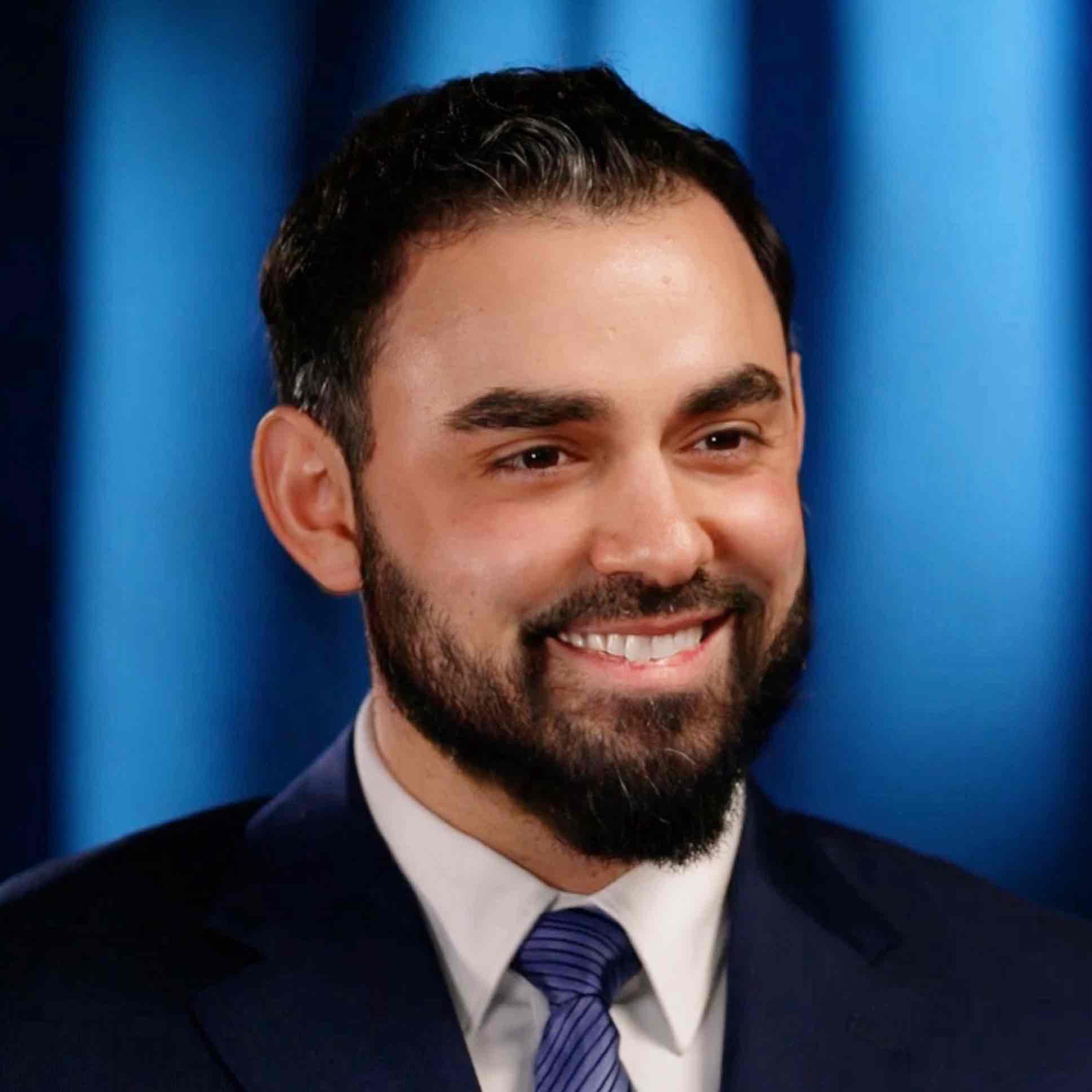
Andre Esteva, PhD, is the co-founder and CEO of ArteraAI, a medical AI company whose test for personalizing prostate cancer therapy is included in NCCN clinical guidelines, reimbursed by Medicare, and deployed internationally. A Stanford-trained AI scientist whose Nature cover paper first demonstrated that AI could match dermatologists at diagnosing skin cancer, Esteva has co-founded four companies with a combined market cap of $2.2B. Named to TIME100 Health 2025 and Modern Healthcare's 40 Under 40 for 2025, he leads a company that raised $175M total and was named a TIME 2024 Best Invention.
Ziad Obermeyer
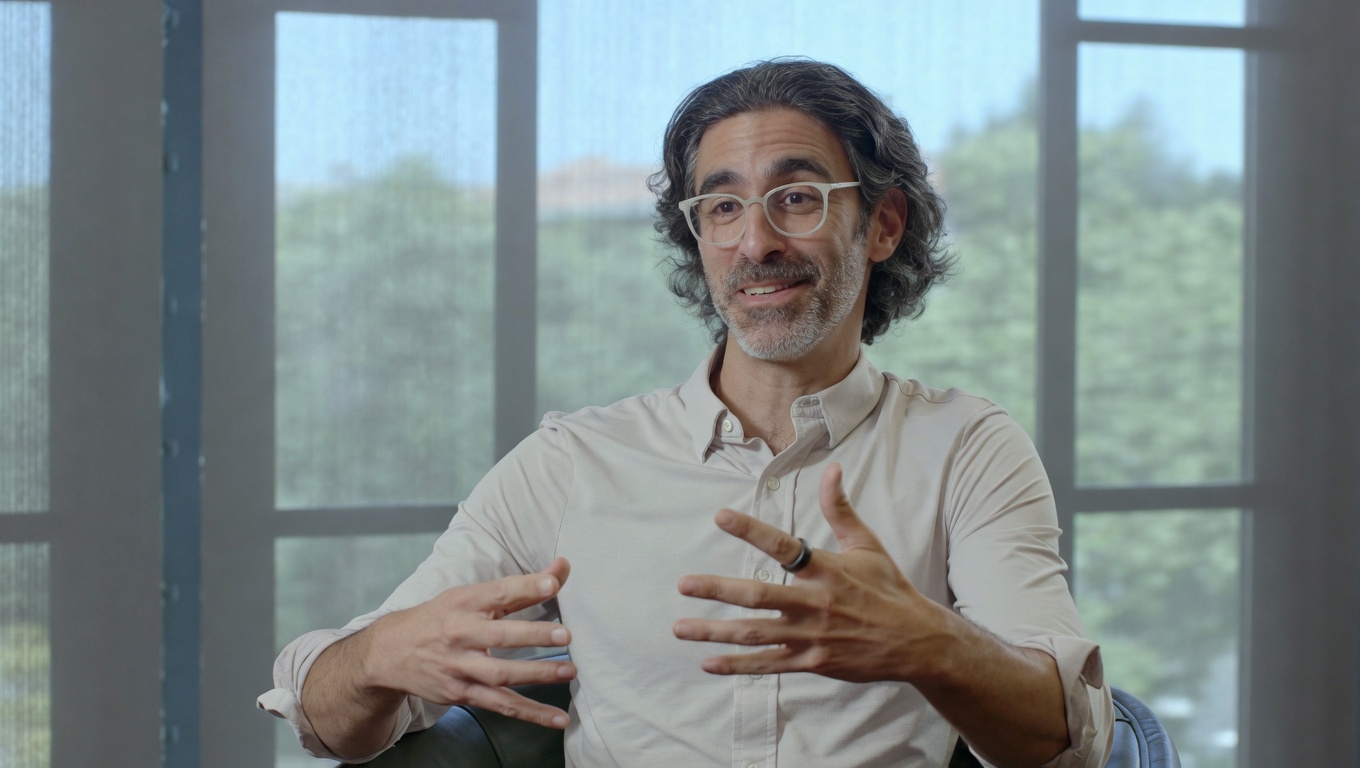
Ziad Obermeyer is a physician-scientist and professor at UC Berkeley whose 2019 Science paper exposing racial bias in a healthcare algorithm used by millions changed how the world thinks about AI fairness. An emergency medicine doctor who moonlights as a machine learning researcher, McKinsey alum, and serial founder, Obermeyer co-founded Dandelion Health and Nightingale Open Science while testifying before Congress and earning a spot on TIME's 100 Most Influential People in AI.