market-validation
(8)
German Accelerator: Take Your Business Abroad. Expect to Change It.
A government-backed route to international customers comes with an awkward discovery: the business that works at home may need a different buyer, pitch, or partner abroad.

US Market Access Center: Find the customer before you book the office
USMAC helps international founders test their American ambitions against actual buyers. Its most useful export may be the habit of asking awkward questions before making expensive commitments.
Gravitad wants your startup to survive its first customer
The Canary Islands accelerator combines business advice with a software factory. Its wager: a founder needs help building the thing, then evidence that somebody wants it.
Converge: the business school for ideas without a business
Scotland’s university founders can know everything about an invention and very little about selling it. Converge gives them a place to learn, test and find their first commercial footing - without surrendering equity.
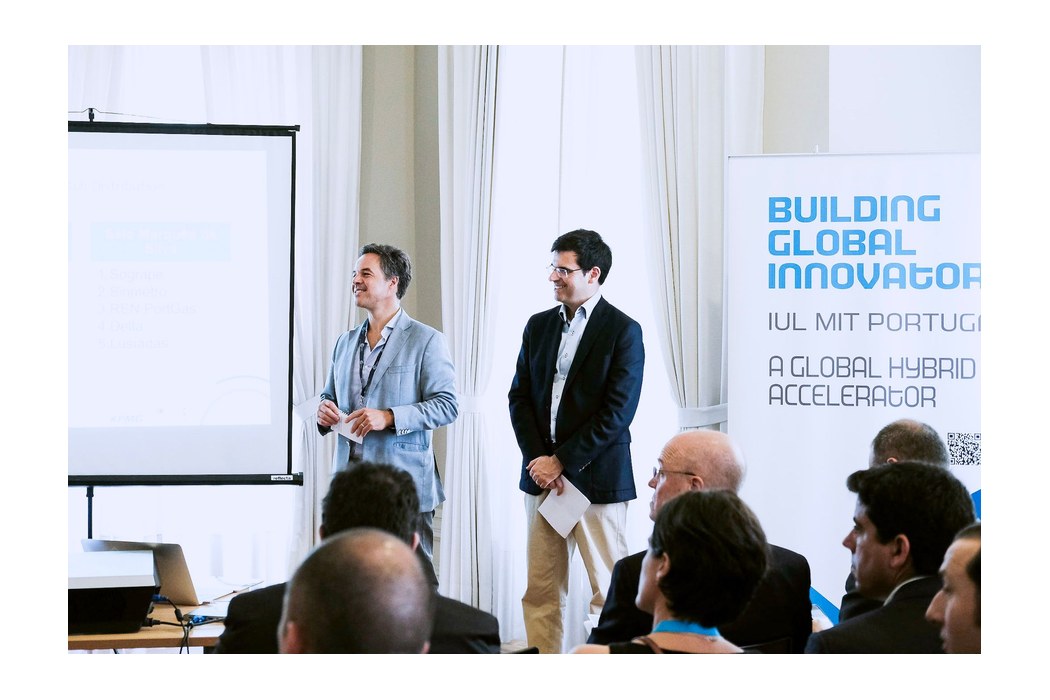
BGI Built a Bridge From the Lab to the Market - Then Put It in a Greenhouse
The Lisbon accelerator began by exporting ambitious founders to Boston. Fifteen years later, it is putting science through a tougher test: will it survive contact with farms, cities, customers and capital?
Accelpoint gets startups into the room where pilots happen
The Warsaw accelerator pairs public funding with corporate access. Its real test is whether a promising prototype can become something a bank, insurer or telecom will actually use.
Indonesia Wants 1,000 Startups. First, Find a Customer.
Gerakan Nasional 1000 Startup Digital turns the big business of nation-building into smaller assignments: find a team, test a problem, make a sale. Its free training network reaches well beyond Jakarta.
EIT Jumpstarter asks the €10,000 question: who will buy your invention?
Europe has plenty of research ideas. EIT Jumpstarter gives their inventors business training, a route to customers and a shot at €10,000 - without taking equity.