market-data
(12)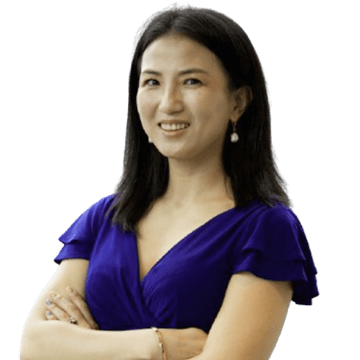
Carmen Li and the price nobody could agree on
After a career in trading and financial data, Carmen Li found an awkward gap in the AI economy: nobody had a common price for its essential input. Now she is building the benchmarks that could make compute easier to buy, finance and hedge.
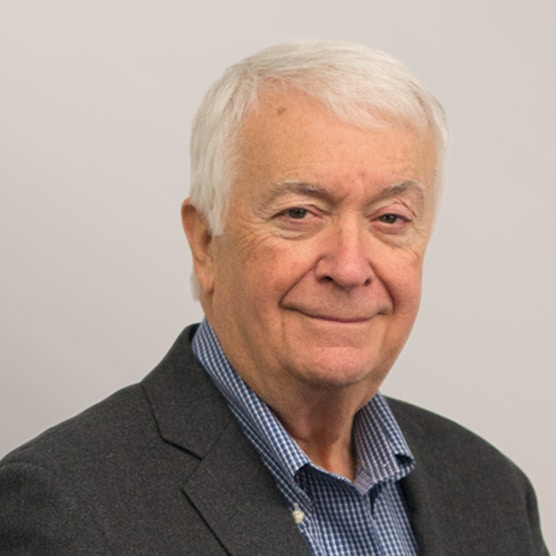
Jim O’Donnell and the Long Bet on a Faster World
A Washington University graduate helped turn a campus computing project into Exegy, then spent more than 17 years leading it. His wager was that the machinery of modern markets could reach beyond the firms rich enough to build it themselves.
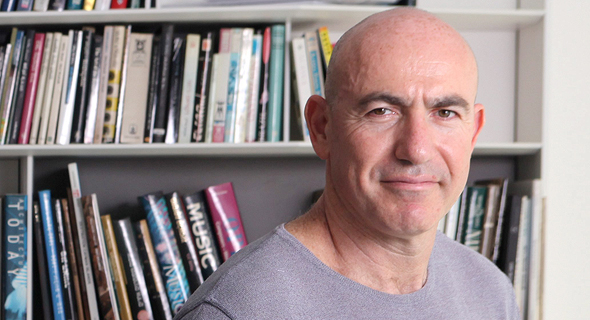
David Gershon and the price of knowing
A physicist took a trader’s irritation and built SuperDerivatives around it. After a $350 million company sale, David Gershon returned to the classroom - and found another reason to start again.
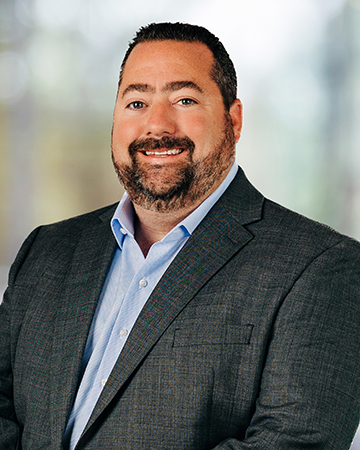
Gerard Nealon and the Price Hidden in Plain Sight
Before co-founding SOLVE, Gerard Nealon built systems for difficult securities. Then he and Eugene Grinberg discovered that a useful answer to Wall Street’s pricing problem was buried in its daily messages.
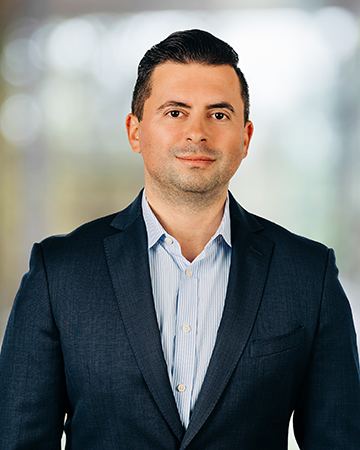
Eugene Grinberg and the Price Hidden in Plain Sight
Before Eugene Grinberg could help traders price a bond, he had to learn what they were really asking. The SOLVE co-founder has spent the years since turning scattered market conversations into something people can use.
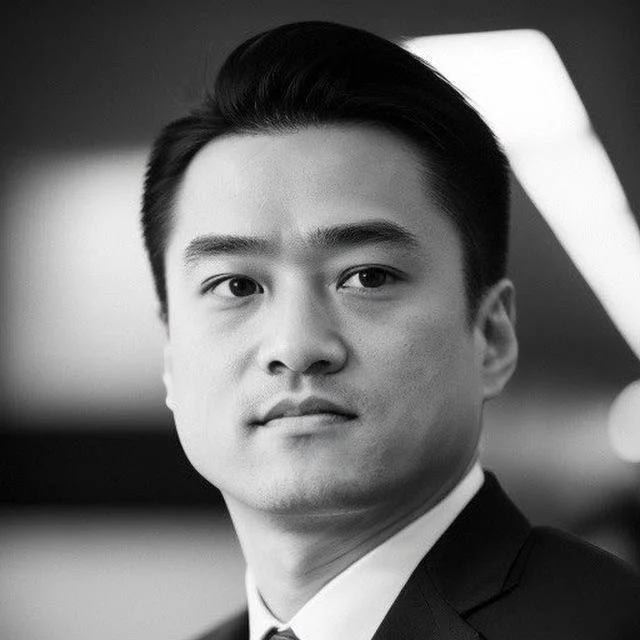
Maxim Shen and the machinery behind a price
From quantitative trading to founding Anti Capital, Maxim Shen has worked on the systems that help markets function. His next chapter connects fast execution, usable market data, and the less glamorous business of keeping the books.
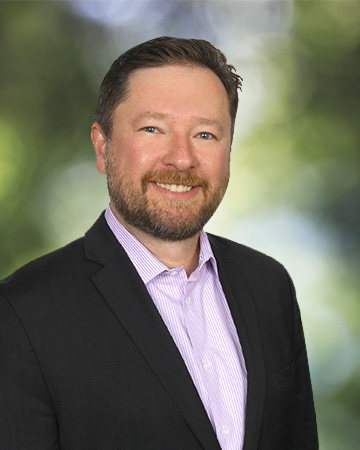
Vlad Berson Learned to Frame a Shot. Then He Learned to Frame Fixed Income.
Before he marketed market data, Vlad Berson studied filmmaking. Three decades later, the SOLVE CMO still thinks in scenes, audiences and cuts - only now the subject is fixed income.
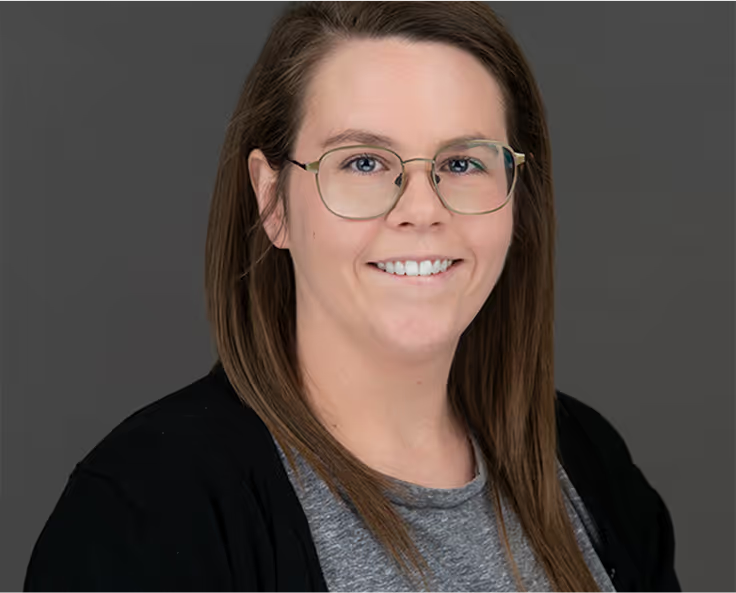
Colleen Sheeren Spent 11 Years Learning Every Piece of Barchart. Now She Has to Explain the Whole Thing.
The Chicago executive rose from marketing associate to CMO inside one complicated data company. Her current challenge is elegantly simple: make its many businesses feel like one story.
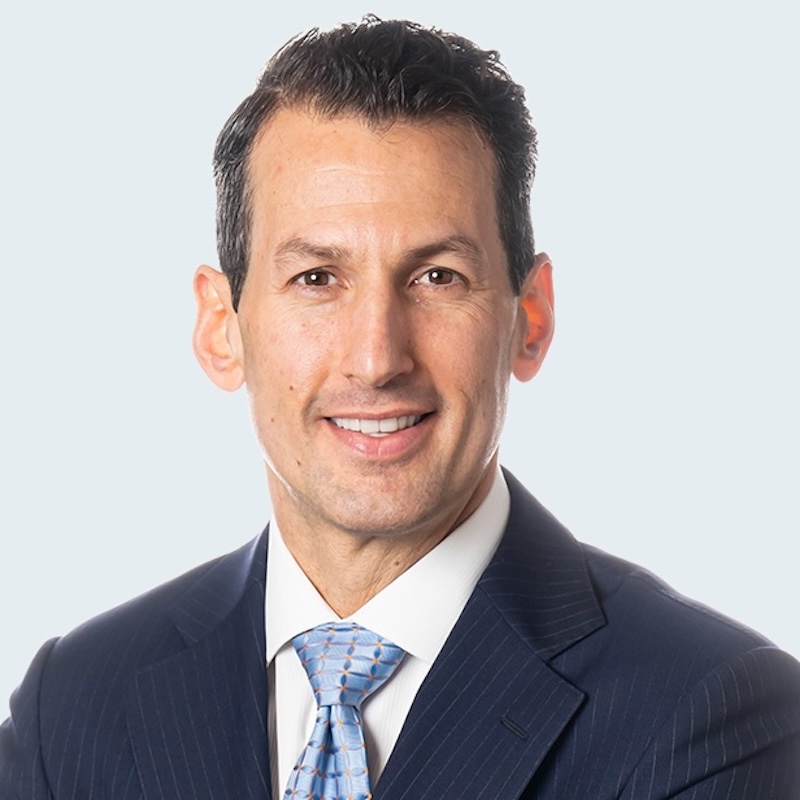
Jarrod Yuster Built the Plumbing for Markets That Never Sit Still
An Intel engineer turned Wall Street trading chief started Pico with seven people in a downtown New York room. The consequential move was not going faster, but realizing the technology itself was the business.
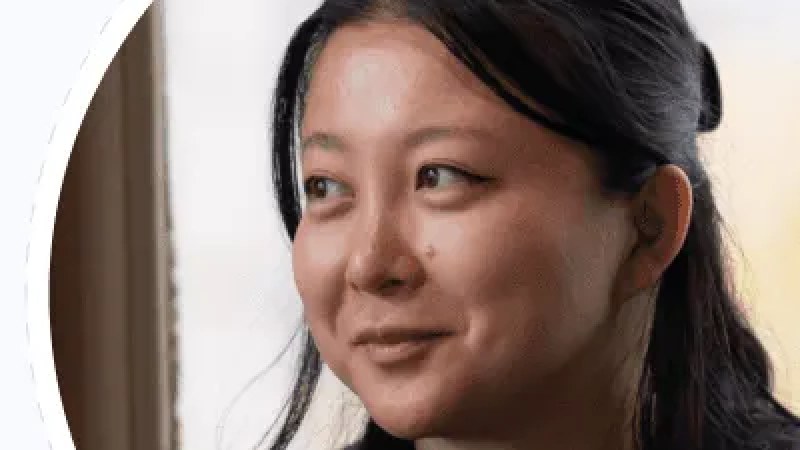
Christina Qi
Christina Qi is the CEO of Databento, an on-demand market-data platform for quants and asset managers, and a founding partner of Domeyard LP, one of the longest-running high-frequency trading hedge funds in the world. She started Domeyard from an MIT dorm room with $1,000 in savings, grew it to trade billions of dollars a day, then wound it down and built Databento to fix the broken market-data infrastructure that had frustrated her for a decade. A Forbes 30 Under 30 honoree, MIT trustee, and financial-literacy advocate, Qi turned a rough start into a career spent lowering the barriers to Wall Street for everyone else.
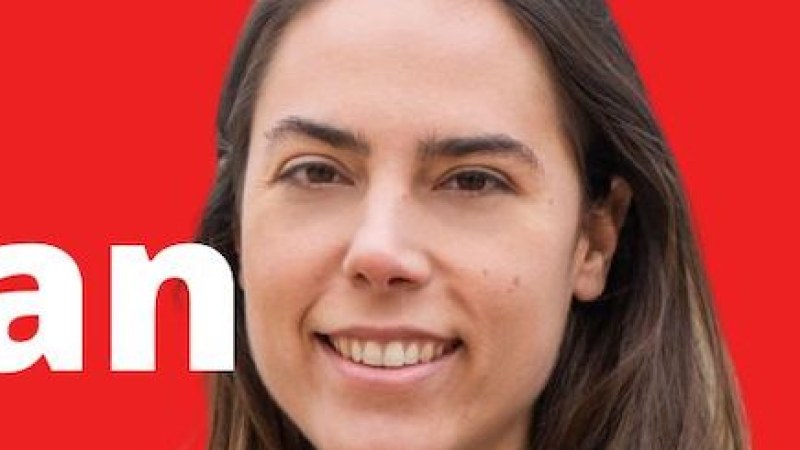
Ambre Soubiran
Ambre Soubiran is the CEO and chairman of Kaiko, the independent provider of institutional-grade, regulatory-compliant cryptocurrency market data and indices. After a decade structuring equity derivatives at HSBC in London and Paris, she walked away from traditional finance in 2016 to buy control of Kaiko - then a bright idea with no revenue and no staff - and built it into a global data business with roughly 130 people across New York, London, Paris and Singapore. She has raised over $80M and positions Kaiko as the trusted, neutral source of truth for crypto markets used by exchanges, asset managers and regulators.
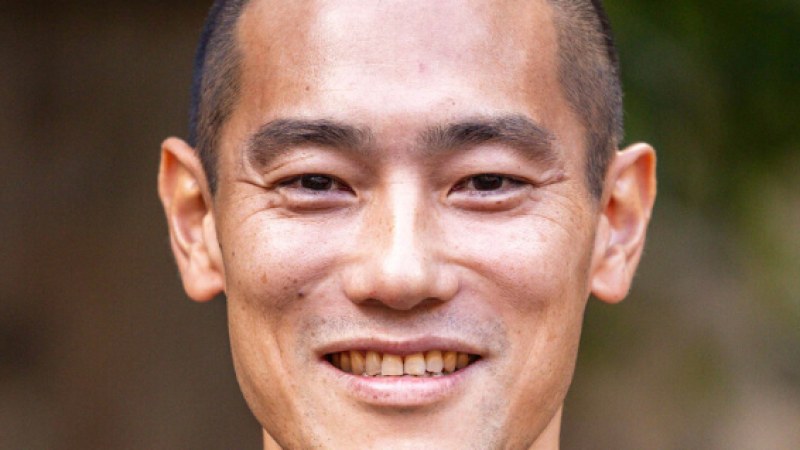
Yoshi Yokokawa
Yoshi Yokokawa is the co-founder and CEO of Alpaca, the San Mateo-based API-first brokerage infrastructure company that powers over 300 global fintech partners across 45 countries. A former Lehman Brothers analyst and forex trader turned repeat entrepreneur, Yoshi built Alpaca from a YC W19 startup into a $1.15 billion unicorn after raising a $150 million Series D in January 2026. His vision: a 'Global Financial OS' that makes investing borderless, accessible, and developer-native.