louisville
(17)
John Shumate and the value of a slow barrel
A bourbon barrel takes years to become a bottle. John Shumate saw a financing problem in the wait - and a way to connect his work with entrepreneurs to the business of investing.

DPL Financial Partners took the commission out. The annuity got interesting.
A retirement product with a sales problem meets a company with a distribution plan. DPL is making commission-free annuities easier to compare, buy and manage - and has passed $6 billion in assets under administration.
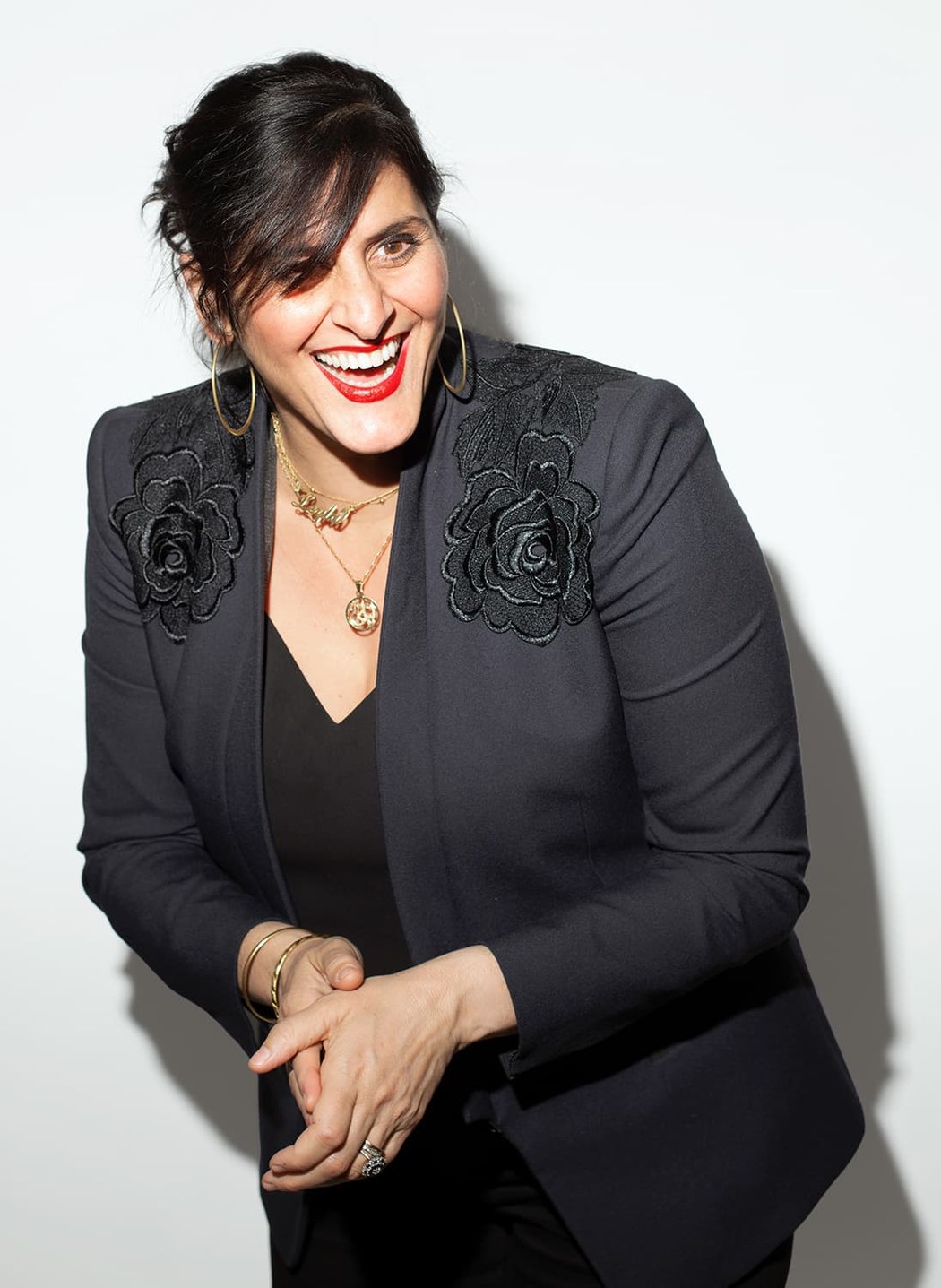
Leyla Dailey and the Art of Making Room
At Doe-Anderson, Leyla Touma Dailey has a disarming rule for building a creative team: hire people whose work makes you jealous. Her career shows what can happen when a leader gives talent somewhere to grow.
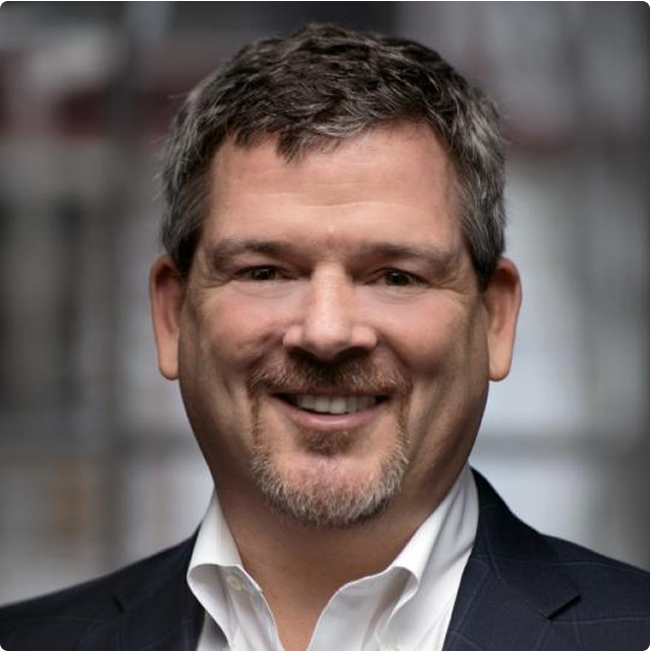
David Lau and the Expensive Middle of a Simple Promise
For three decades, David Lau has kept returning to one unfashionable question: what becomes possible when the cost of selling a financial product is taken out of the product itself?
The Ad Agency That Tried to Fire Its Own Name
Doe-Anderson has lasted since 1915 by practicing a rare advertising discipline: staying interested after the launch party ends. Its secret is less about nostalgia than ownership, useful constraints and relationships measured in decades.
The $65,000 Year That Built QtheAgency
Three friends left demanding agency jobs without taking a single client. The first-year forecast promptly collapsed. Thirty years later, their most useful product may be the operating system they built in response.

A Layoff Built the Agency in the Room
Stacey Wade started NIMBUS after losing an agency job. Two decades later, the Louisville shop makes national campaigns by insisting that culture belongs at the first meeting - not in the final round of edits.

The Ad Agency That Kept Finding the Plumbing
PriceWeber has spent more than half a century making ads. Its more interesting habit is fixing the machinery underneath them - the ordering portals, search foundations, sales handoffs and measurement systems where attention becomes revenue.

The Agency That Waits for the Audience to Move
BCH sells advertising, but its more interesting product is a change of mind: the moment a client stops talking to the audience it remembers and starts watching the audience that actually exists.
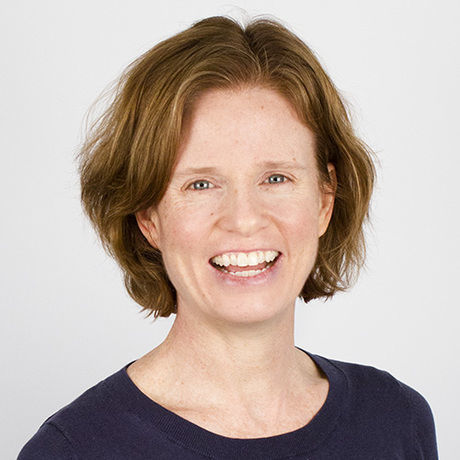
Wendy Parrish Has Spent a Career Closing the Distance Between Learning and Work
From mechanical engineering to online college research to virtual job simulations, Wendy Parrish has followed one durable question: how do you help people see a practical next step?
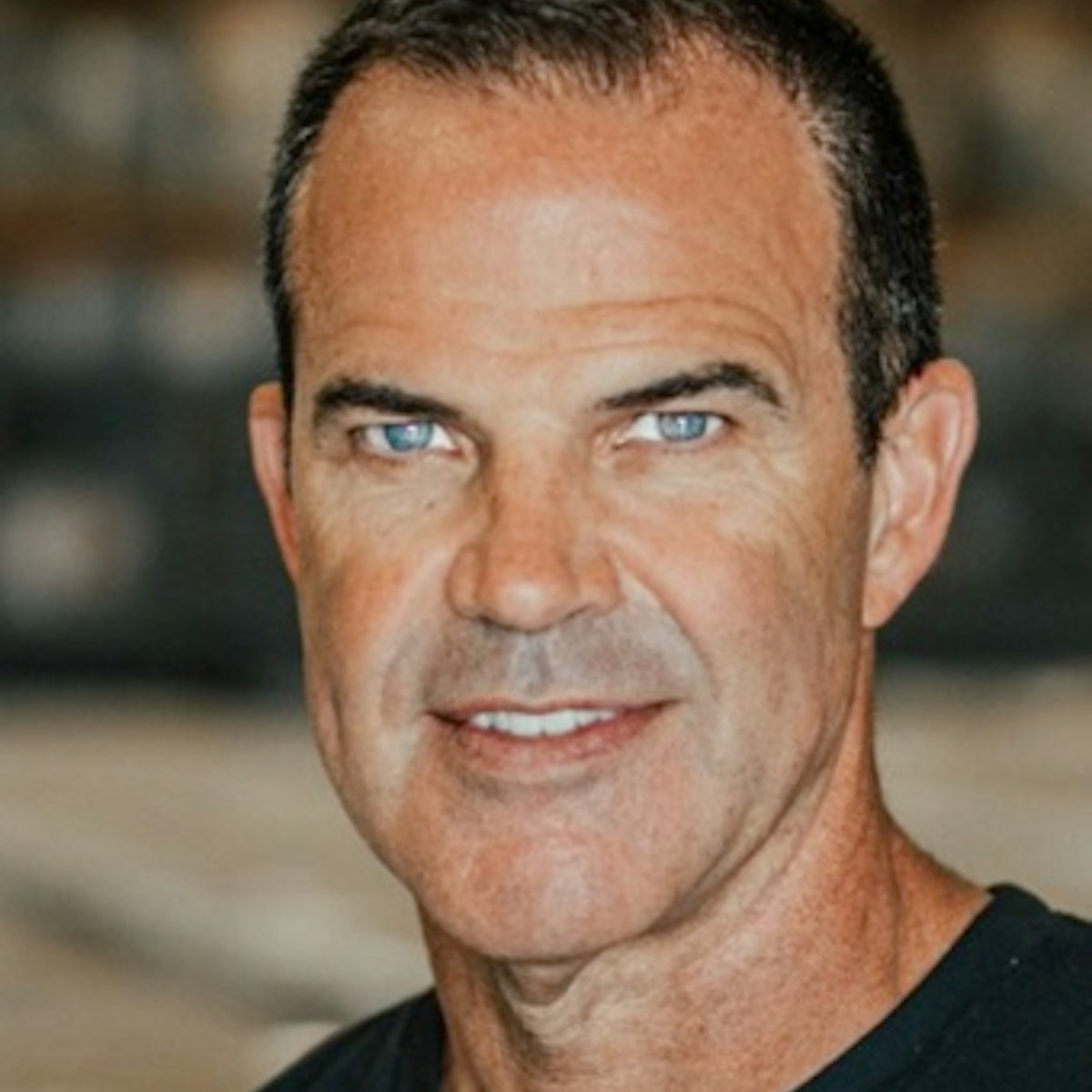
Eric Williams Built a Career Forward - Then Found His Company by Looking Back
The eJOOV co-founder spent two decades learning how goods move. His sharper insight was that the awkward trip home - the return - could become a second sale, a better process and the start of a broader logistics company.
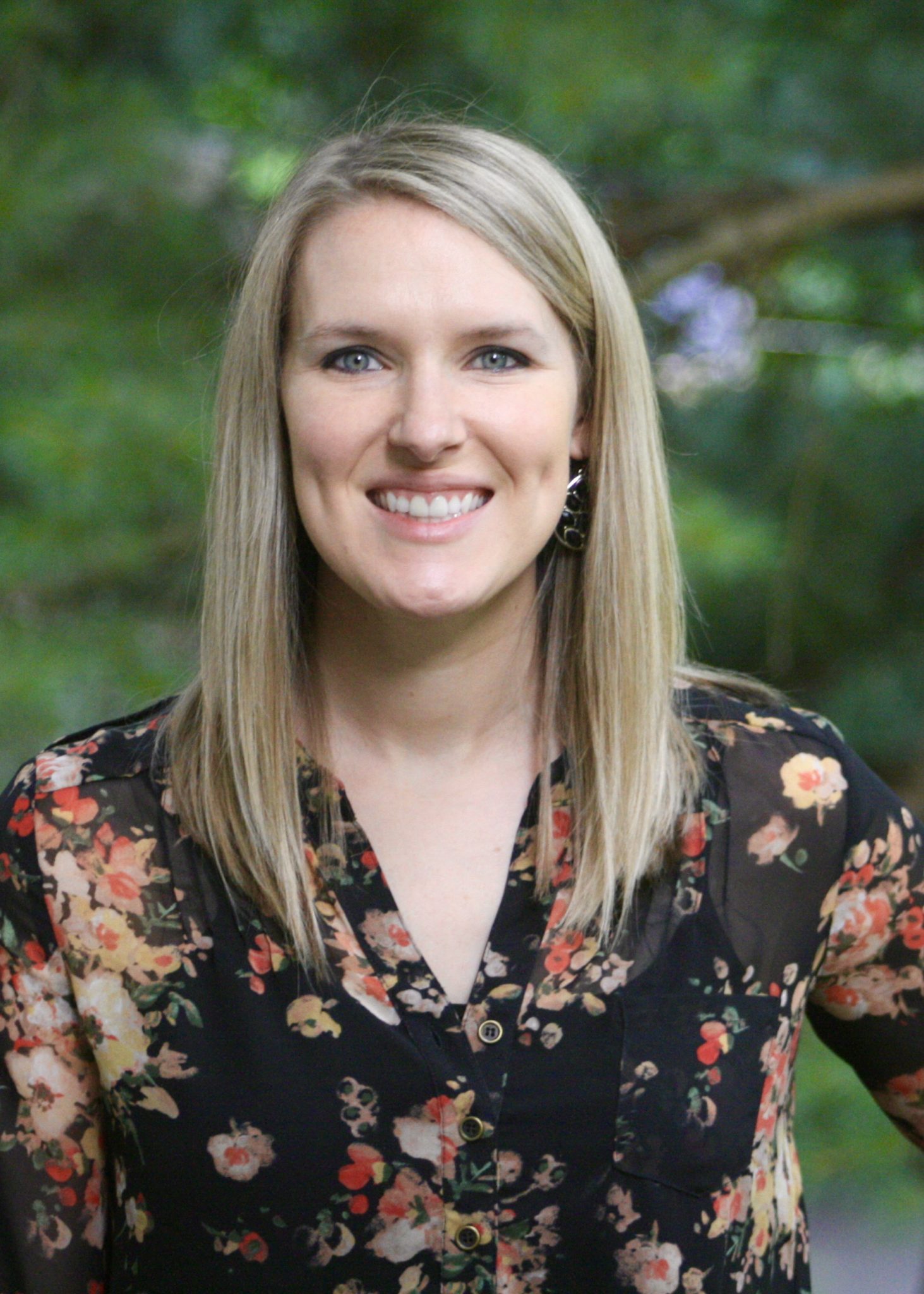
Lori Riggs Built a Marketing Career on One Quiet Rule: Be Useful First
Long before she became Lifepoint Health's chief marketing officer, Lori Riggs found a durable formula for earning attention: solve the audience's problem before promoting the company. Her path from a hospital internship to the C-suite shows what happens when empathy learns to count.
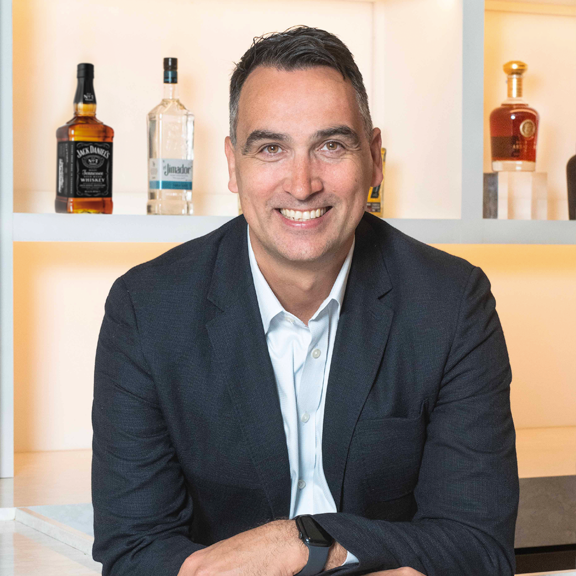
Jeremy Shepherd Has Spent Two Decades Learning Where a Brand Meets the Buyer
Before Jeremy Shepherd became Brown-Forman's chief marketing officer, he spent two decades close to the places where strategy gets tested - markets, distributors, stores and teams. His route from Canada to London to Louisville explains the operator behind the title.

Insight Communications
For 27 years, Insight Communications wired the parts of the Midwest the coastal giants ignored - then sold the whole thing to Time Warner Cable for about $3 billion.

What Chefs Want!
A one-van produce hustle in Louisville turned into a 16,000-restaurant food-distribution machine by doing the one thing the national giants would not: picking up the phone and asking the chef.
Waystar
The company that runs the plumbing behind American medical bills is betting AI can drain billions in administrative waste - and half the country's patients are already in its pipes.

Generation Tux
Generation Tux is an online suit and tuxedo rental company founded in 2014 by Men's Wearhouse founder George Zimmer. It rents and ships formalwear directly to customers by mail, using a data- and AI-driven fit model to size customers remotely, with free home try-ons, easy returns, and group-coordination tools for wedding parties. After acquiring rival Menguin in 2017, the company expanded from pure e-commerce into physical showrooms and retail partnerships with David's Bridal and Kleinfeld Bridal.