lean-manufacturing
(10)
Samuel Tan and the value of half an hour
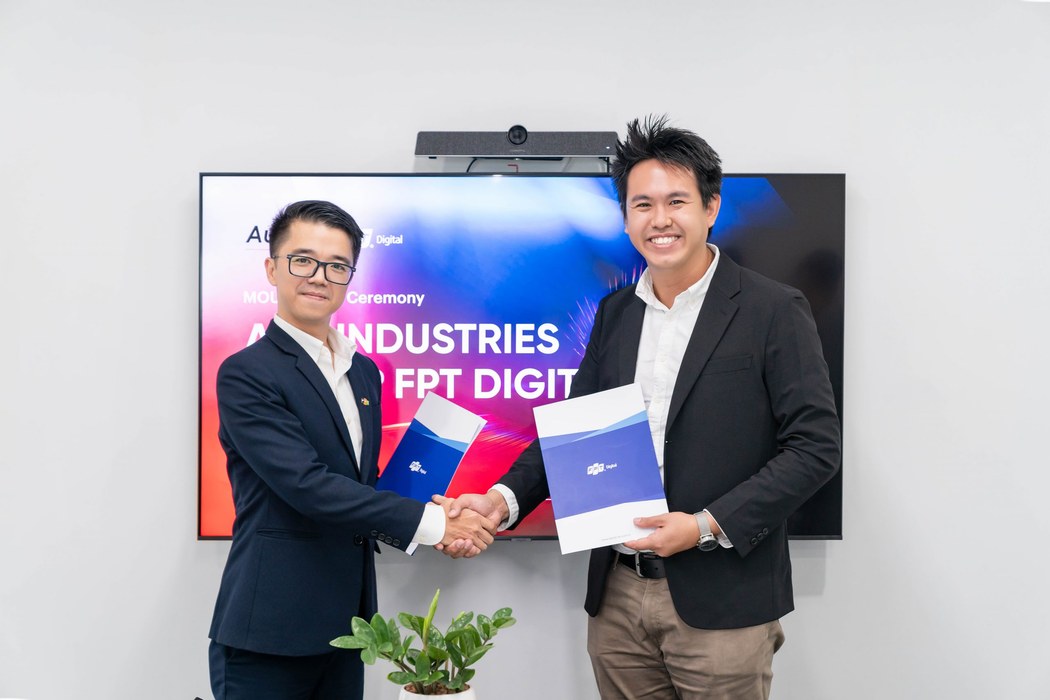
An Indonesian factory gave Samuel Tan’s team one lunch break to connect two production lines. The Auk Industries co-founder has built his business around a related question: how much complexity can you remove before useful work begins?

Scott Sailer Builds the System Behind the Steel
At Southland Trailers, a second-generation operator turned shop-floor lessons into a system for growth - then made apprenticeships, welding classrooms and a very large pancake breakfast part of the same plan.

The Family Trailer Company That Bet CA$15 Million on Making Boring Things Better
Southland Trailers grew from a local welding shop into a 500-plus-person manufacturer by obsessing over factory flow, useful engineering and the stubborn details that decide whether a trailer earns its keep.

The Private Equity Firm That Would Rather Walk the Shop Floor
LFM Capital built a $1 billion-plus investing platform around an unfashionable conviction: the best way to understand a factory is to have run one. Its engineers-turned-investors bring capital, operating muscle and a respect for the companies they buy.
Auk Industries
A Singapore startup wants to be the 'Fitbit for machines' - snapping cheap sensors onto any factory line and turning decades-old equipment into a live data feed in days, not months.
Rever, Inc
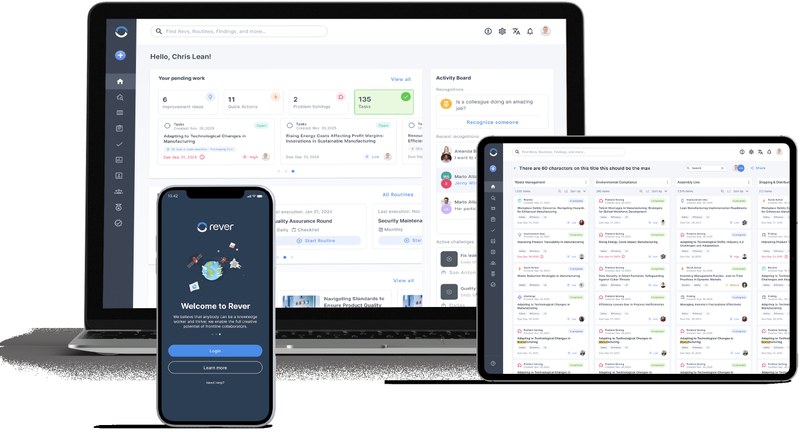
Rever is a San Francisco-based SaaS company building a Frontline Intelligence Platform that digitizes kaizen, audits, inspections and continuous improvement for industrial operators - turning everyday workers into a connected army of problem-solvers, with AI that surfaces hidden losses and replicates proven fixes across plants.
BLOX
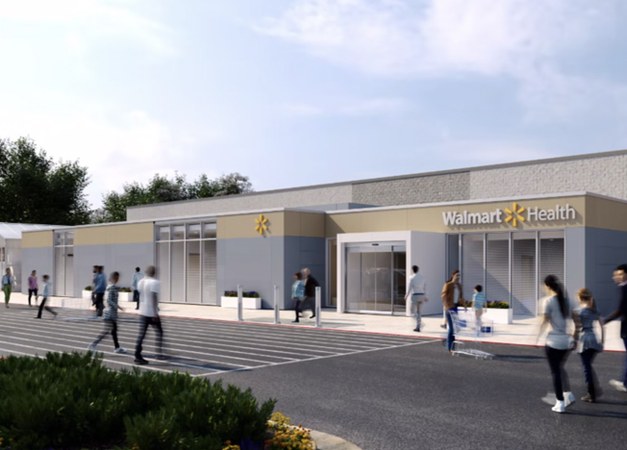
BLOX is a Bessemer, Alabama company that builds hospitals the way Detroit builds cars. Using its own Design Manufacture Construct (DMC) method, BLOX engineers and fabricates complete medical modules - patient rooms, exam rooms, trauma centers, headwalls and bathrooms - inside a million-square-foot former railcar factory, then ships them across the country to be assembled on site. Founded in 2010 out of architecture firm GA Studio, BLOX has grown to roughly 600 employees and bills itself as the largest manufacturer of modular healthcare buildings in the United States.
Tulip Interfaces
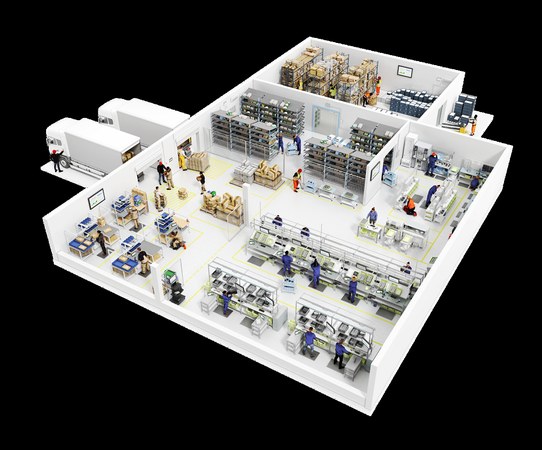
Tulip Interfaces is a Boston-area software company that gives factory-floor workers a no-code platform to build the apps, dashboards, and connected-machine workflows that run modern operations. Spun out of the MIT Media Lab in 2014, Tulip treats human operators as the most valuable resource on the shop floor rather than something to automate away. Its composable platform stitches together people, machines, sensors, and AI into 'frontline operations' apps used by more than 200 manufacturers across pharma, medical devices, aerospace, and consumer goods. In January 2026 the company raised a $120M Series D led by Mitsubishi Electric at a $1.3B valuation, crossing into unicorn territory.
Chris Wolf
Chris Wolf is the Chief Executive Officer of Walters & Wolf, one of the leading glass and glazing contractors in North America. Based in Fremont, California, he leads a 650-person employee-owned company that designs, engineers, fabricates, and installs architectural glazing, curtain wall systems, and door openings for clients including Google, Apple, Adobe, and Kaiser. Wolf rose through the company over 15 years as Vice President before taking the helm as CEO around 2022. Under his and prior leadership, Walters & Wolf has become widely recognized for its deep commitment to lean manufacturing and the Toyota Production System, maintaining a library of over 6,000 improvement videos and earning recognition from lean manufacturing expert Paul Akers as 'the best lean company I know.'
Factory OS
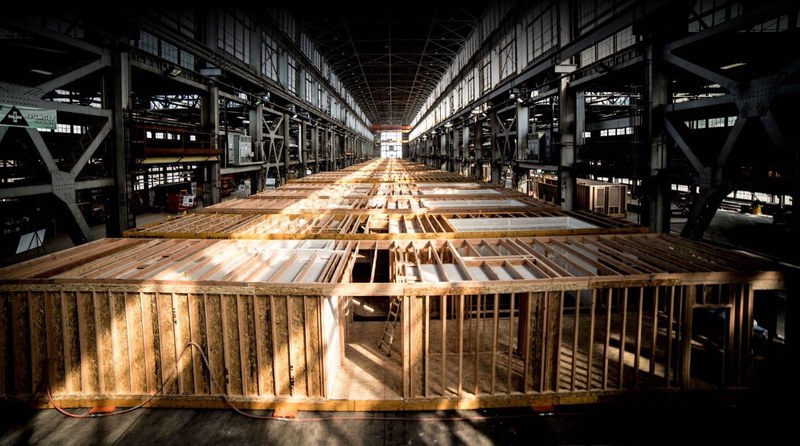
Factory OS is a Vallejo, California modular-housing manufacturer that builds wood-frame multifamily apartments inside a former Mare Island Navy shipyard. Co-founded in 2017 by affordable-housing veteran Rick Holliday and contractor Larry Pace, the company treats apartments like cars: rolling them down an assembly line with union labor, cutting build times by ~40% and costs by 20–40% compared with conventional construction.