help-desk
(14)
Nicereply Turns One Awkward Question Into a Business
The Slovak survey company built a business on the smiley faces you click after a support ticket closes - and Microsoft, Lenovo and HubSpot all pay attention to what those faces say.

Six Live Chat Tools and the Bubble That Runs Your Website
HelpCrunch, WATI, Pure Chat, LivePerson, Rocket.Chat and Provide Support all sell the same small box in the corner of your screen. The differences between them explain how customer support quietly turned into a software industry worth billions.

LiveHelpNow Built a Chat Empire From a Basement, One Refund at a Time
Michael Kansky arrived from Ukraine in 1997 with two years of college and a knack for code. Two decades later his bootstrapped live chat company quietly serves thousands of businesses - and never took a dollar of venture money.

Live Chat Software Grew Up and Learned to Sell
Eight companies - from a free widget called tawk.to to Salesforce's new AI seller Piper - are fighting over the little box in the corner of your screen. The chat bubble stopped answering questions and started closing deals.

Social Intents Runs Live Chat From Inside Slack and Teams
The bootstrapped live chat company skips the separate support dashboard entirely - routing website chats, WhatsApp and SMS into Microsoft Teams, Slack and Google Chat, for a flat $39 a month with unlimited agents.

LiveAgent: The Slovak Help Desk That Quietly Serves 150 Million People
Built in 2004 by Quality Unit to fix its own inbox, LiveAgent now runs customer support for more than 40,000 companies from offices in Bratislava, Kyiv and New York - without a cent of venture money.
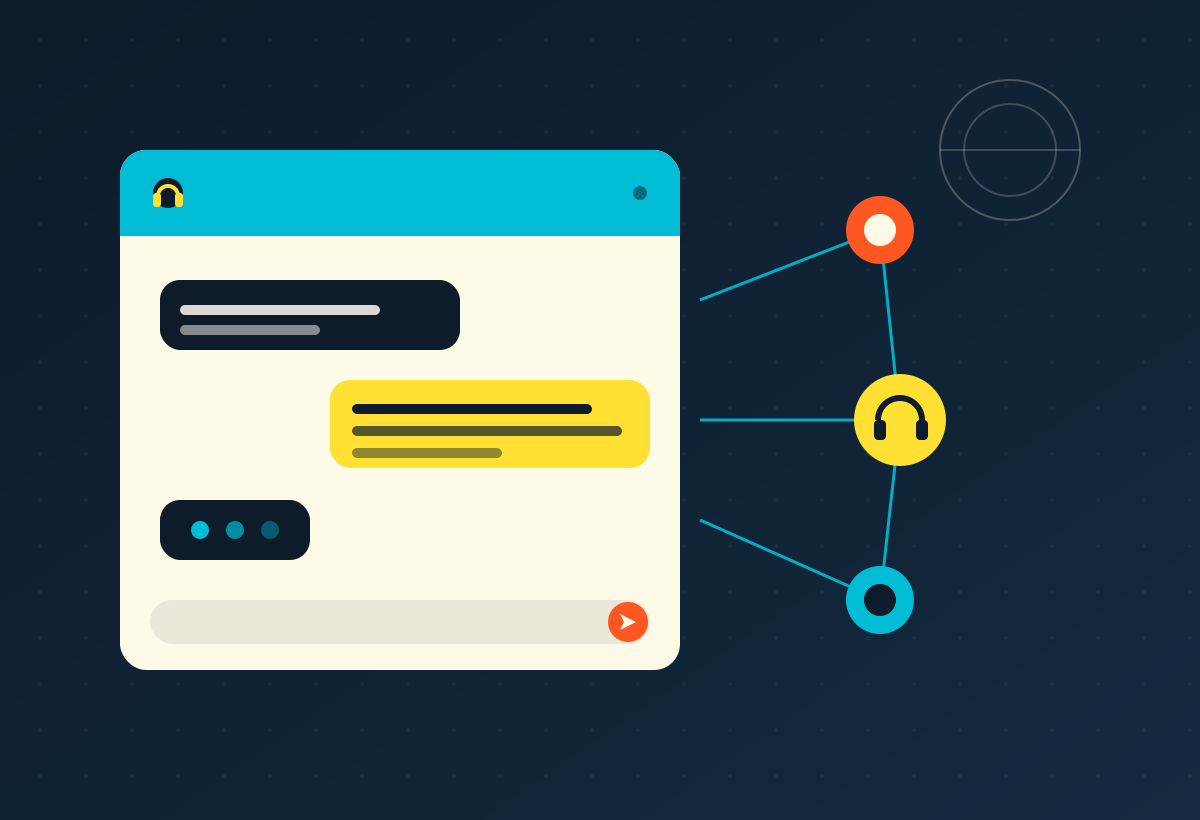
Provide Support Skipped the AI Race to Keep Live Chat Simple
While LivePerson chased conversational AI and Fortune 500 contracts, this quiet New York shop has run the same unlimited-chat, all-features-included live chat since 2003 - and more than 10,000 customers still pay for it.
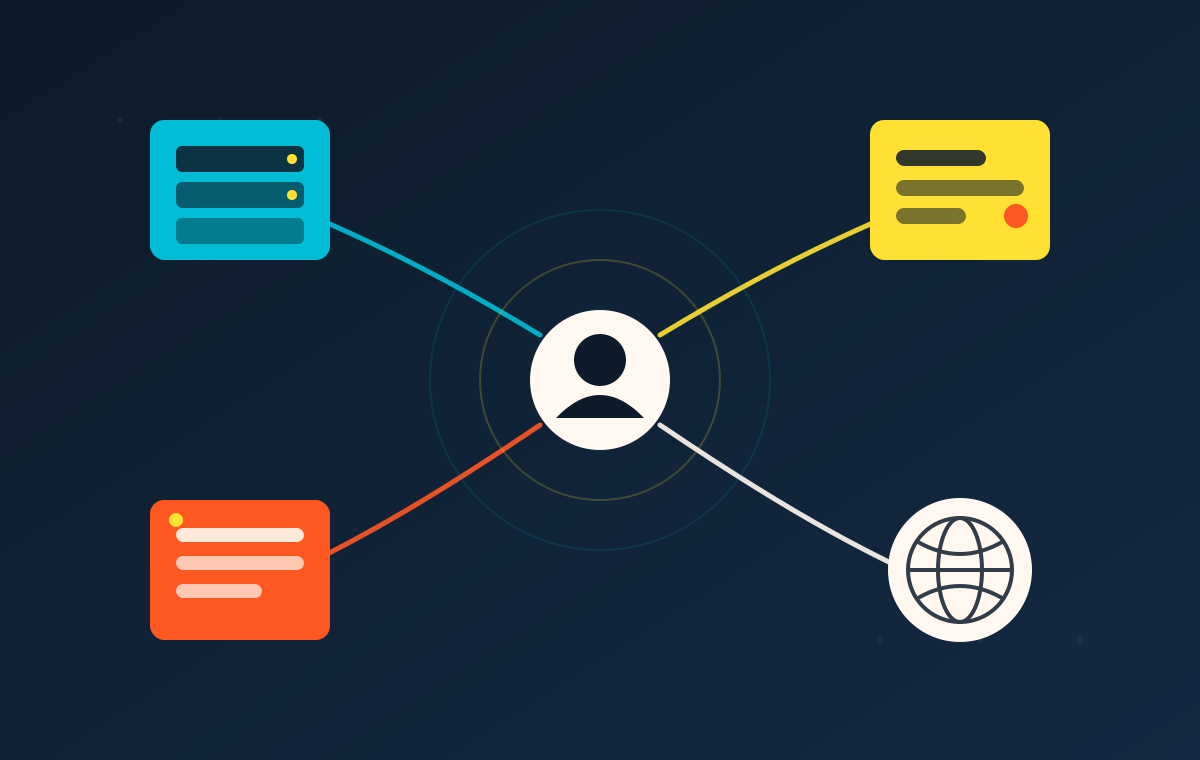
Live Chat Software Can't Agree Where Your Chats Should Live
Userlike, LiveHelpNow, Social Intents and Rocket.Chat all put a chat box on your website. The interesting part is what happens to the conversation after a visitor hits send.

Userlike vs HelpCrunch: Two Bets on the Live Chat Box
One built its whole pitch on German servers and GDPR. The other bet on an all-in-one inbox with honest per-agent pricing. Here is how the two live chat platforms actually differ.

Pylon Wants to Kill Zendesk for the Slack Generation
The Y Combinator startup rebuilt customer support for B2B companies who live in Slack, not ticket queues. Now it has $51M and 750+ customers betting it is right.

The Support Ticket Is Dying and Slack Is Holding the Knife
A new class of B2B support tools - Plain, Front, TeamSupport - is betting customers never wanted a help desk. They wanted an answer in the channel they were already in, and the old guard from BMC to USU is scrambling to catch up.

How InvGate, ServiceNow, Gladly and TeamSupport Split the Help Desk
Four service platforms, four arguments about what support should actually feel like. One bets on tickets, one on the enterprise machine, one on the person, one on the account - and buyers are picking sides.

TeamSupport Reads the Room Before Your Customer Rage-Quits
The Dallas B2B software company built its whole pitch on a quiet idea - that the first sign a customer is about to leave is buried in an ordinary support ticket. Now it wants AI to catch that signal before anyone hits cancel.

Eight Support Platforms, Eight Very Different Jobs
Help Scout, Hiver, Kustomer, Ivanti, SolarWinds, Salesforce, Atlassian and Front all promise better service. The useful question is not which has the longest feature list, but which kind of work your team is actually trying to improve.