healthcare-advertising
(8)
BranchLab wants to reach patients without putting their health records in the ad
Healthcare advertising has a peculiar problem: the most useful data is also the most sensitive. BranchLab’s wager is that AI can learn from one world and work in another.

The $21 Million Bet on a Faster Pharma Email
A drug campaign can spend months waiting for an email to clear review. Solstice built a system that makes the draft, checks the claims and learns from the result - then put an agency around it.
The Agency That Bought the Missing Pieces
Spectrum Science began with a narrow conviction: complicated medicine deserves clear storytelling. Three decades and a run of acquisitions later, the more interesting product is the machinery behind the message.

The Drug Launch That Took 45 Percent of an Agency With It
When Biogen's Aduhelm launch faltered, JUICE Pharma Worldwide lost $15 million in annual revenue and nearly halved its staff. Its response offers a bracing lesson in client concentration, specialist agencies and the art of choosing the next bet.

M Health Makes Healthcare Marketing by Hand
In an industry built for scale, this Philadelphia consultancy has made a business of resisting the assembly line - turning medical evidence, human behavior and stubborn constraints into communications people can actually use.

The Pharma Agency That Made “Sebum” the Joke
Core-Rx grew by doing something healthcare advertising often forgets to do: speak like a person. Fifteen years after beginning as a two-person shop, the independent Chicago agency is betting that clarity, nerve and senior attention still travel well.
PatientPoint Turned the Doctor’s Waiting Room Into Healthcare’s Most Valuable Ad Slot
The company found a business hiding in medicine’s dead time: give practices useful screens, give patients timely education, and let health brands pay for access to the moment when attention is unusually high.
DeepIntent Survived the DSP Winter - Then Taught Pharma Ads to Count Prescriptions, Not Clicks
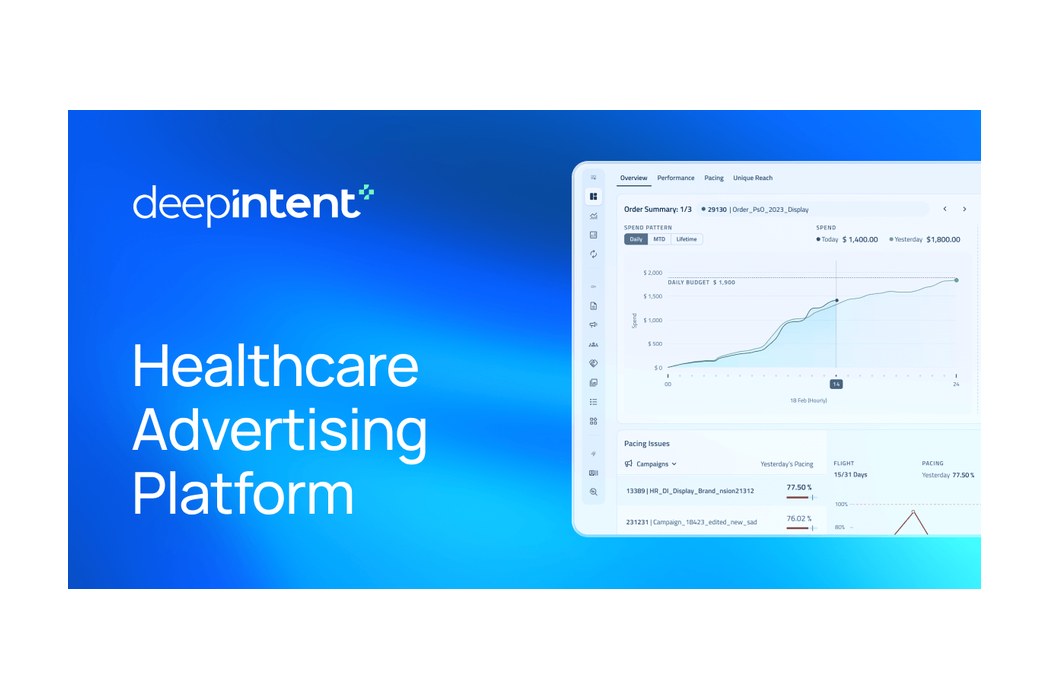
The New York ad-tech company nearly ran out of road when venture funding for new DSPs froze. A decade later, it sells pharma marketers something the open web rarely offers: a way to connect media spend with clinical outcomes.