harvard-phd
(13)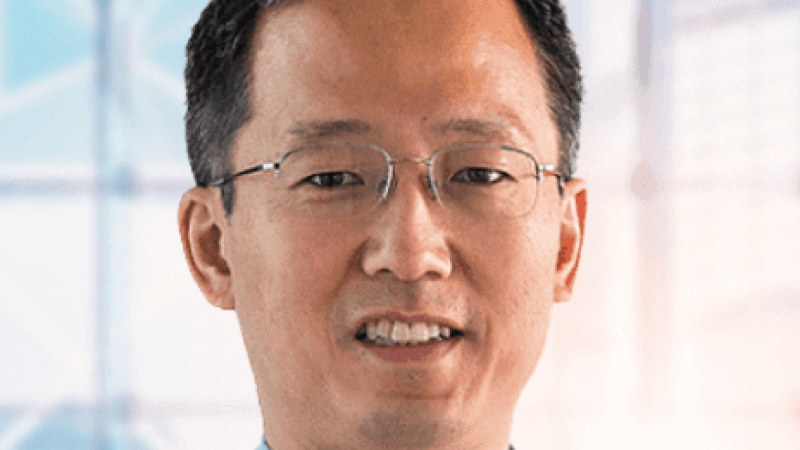
Nan Ji
Nan Ji is co-founder, president and CEO of PAQ Therapeutics, a Burlington, Massachusetts clinical-stage biotech pioneering autophagosome-tethering compounds (ATTECs) to degrade KRAS and other 'undruggable' disease drivers. A Harvard-trained organic chemist with 30+ patent applications, he spent seven years at Novartis, helped build Kymera Therapeutics from seed stage as VP of Chemistry, and launched PAQ in 2020 to hijack the body's natural cellular clean-up machinery for cancer and neurodegenerative disease.
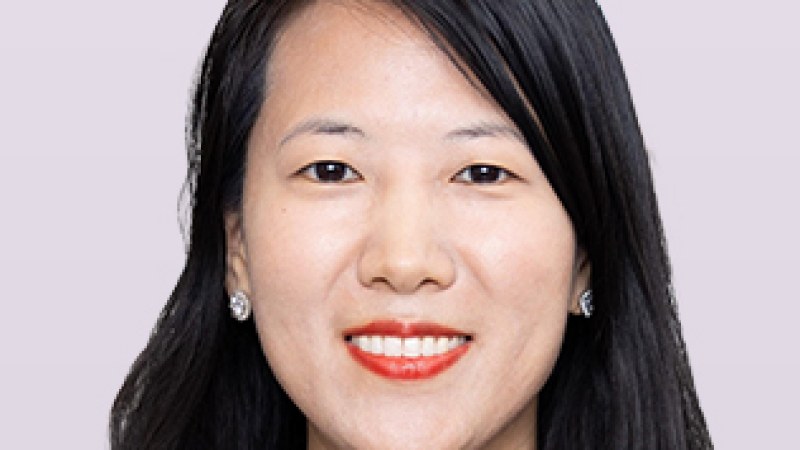
Li Sun
Li Sun is the founder and CEO of Shennon Biotechnologies, a San Francisco single-cell immunotherapy company that profiles millions of immune cells in hours to pinpoint the rare T cells and antibody targets that fight cancer. A physicist by training (PhD from Harvard's Weitz lab, M.Eng from MIT), she spent five years as a deep-tech venture investor at Bessemer and Foundation Capital before building the platform herself. Shennon emerged from stealth in March 2023 with a $13M seed round led by DCVC.
Alex Federation
Alex Federation is the co-founder and CEO of Talus Bio, a Seattle biotech building drugs for transcription factors, the gene-control proteins long written off as 'undruggable.' A Harvard-trained chemical biologist who studied under Jay Bradner, he invented the MARMOT platform to measure and modulate the regulome inside living cells, pairing functional proteomics with AI models trained on tens of millions of compound-target interactions. He teamed with proteomics scientist Lindsay Pino in 2020, went through Y Combinator, and has raised roughly $24.7M to chase first-in-class medicines for targets like Brachyury, AR-V7, and STAT3.
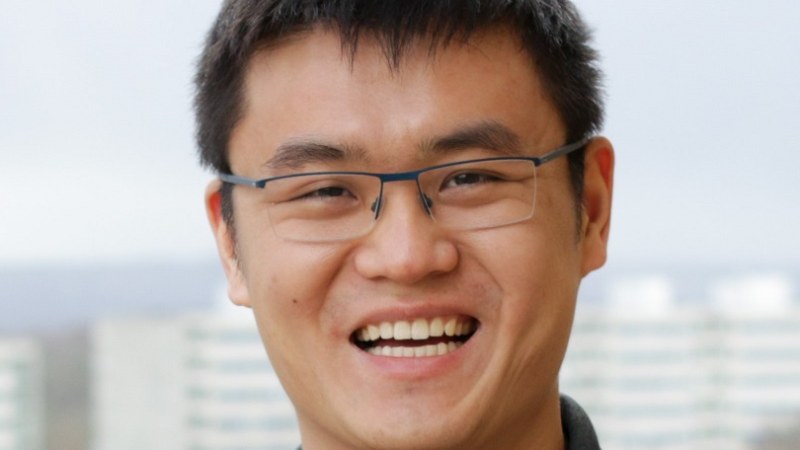
Andrew Mao
Andrew Mao is the co-founder and CEO of Parsnip, an AI-powered learning app often called 'Duolingo for cooking' that helps novices build real confidence in the kitchen. A Harvard computer-science PhD and former computational social scientist, he ran the longest iterated prisoner's dilemma experiment ever conducted, built ML systems at neural-interface startup CTRL-labs (acquired by Facebook), and now applies the science of how people learn to the very human problem of figuring out what's for dinner.
Scott Peterson
Scott Peterson is the Chief Business Officer of T-Cypher Bio, an Oxford-based biotech building next-generation TCR therapeutics for solid tumors and autoimmune disease. A Harvard-trained PhD who started his career at the lab bench as a medicinal chemist at Merck, he crossed over to the deal side and spent two decades shaping pipelines and partnerships at Intarcia, Spero, and Dewpoint Therapeutics before taking the commercial helm at T-Cypher. He is the rare dealmaker who can read both a term sheet and a reaction mechanism.
Alex Wiltschko
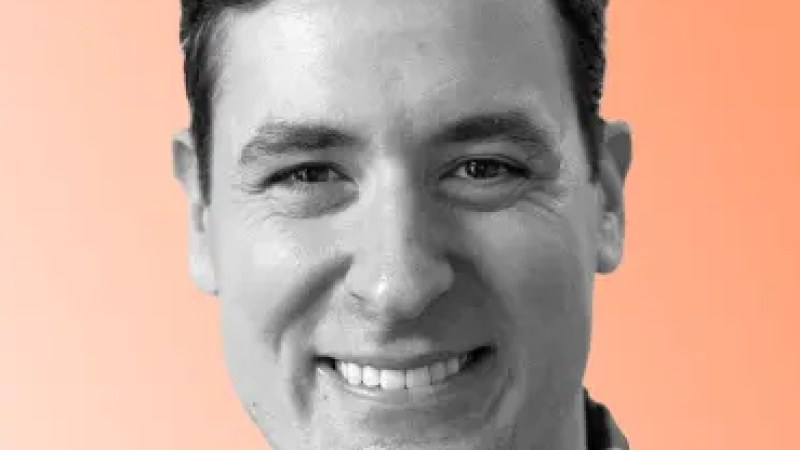
Alex Wiltschko is the founder and CEO of Osmo, a company teaching computers to read and write smell. An olfactory neuroscientist who spent roughly 18 years studying scent, he led the team at Google Brain that built an AI model predicting how a molecule smells from its chemical structure - work published in Science in 2023 as the Principal Odor Map. Osmo spun out of Google in 2022, and in 2024 it pulled off 'scent teleportation,' digitally capturing a fresh-cut summer plum and reprinting its smell in another room. In February 2026 the company raised a $70 million Series B led by Two Sigma Ventures.
Alexey Lugovskoy
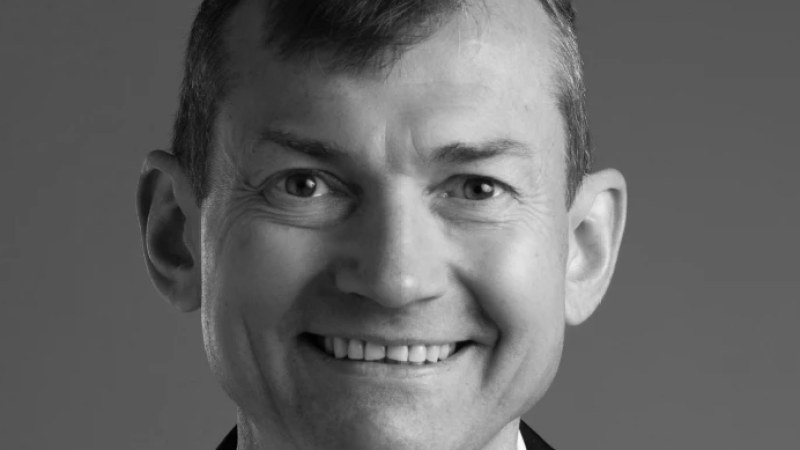
Alexey 'Alex' Lugovskoy is the co-founder and CEO of Diagonal Therapeutics, a Watertown/Cambridge, Massachusetts biotech building 'clustering' antibodies that switch cellular signaling back on rather than block it. A Harvard-trained biophysicist who left physics after deciding green leaves were more interesting than tau neutrinos, he spent two decades in antibody R&D at Biogen, Merrimack, Morphic, and Dragonfly before launching Diagonal in 2022. He has co-invented an FDA-approved cancer drug, authored more than 100 patents and papers, and edits the antibody journal mAbs. In January 2026 Diagonal closed an oversubscribed $125M Series B co-led by Sanofi Ventures and Janus Henderson to push its lead program, DIAG723, into human trials for hereditary hemorrhagic telangiectasia.
Andrew Schiermeier
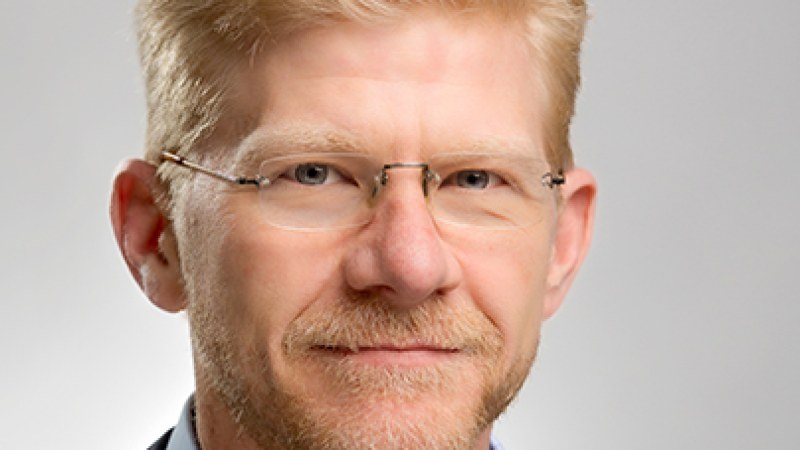
Andrew Schiermeier is the President and CEO of AvenCell Therapeutics, a clinical-stage biotech in Cambridge, Massachusetts and Dresden, Germany building switchable, universal CAR-T cell therapies for hard-to-treat cancers like acute myeloid leukemia. An engineer-turned-operator with a Harvard PhD in applied mathematics, he spent two decades across startups and global pharma - five years at CRISPR pioneer Intellia Therapeutics rising to COO, and a stint running Merck KGaA's oncology business across 60-plus countries - before taking AvenCell's helm in 2021 and leading its $112 million Series B in 2024.
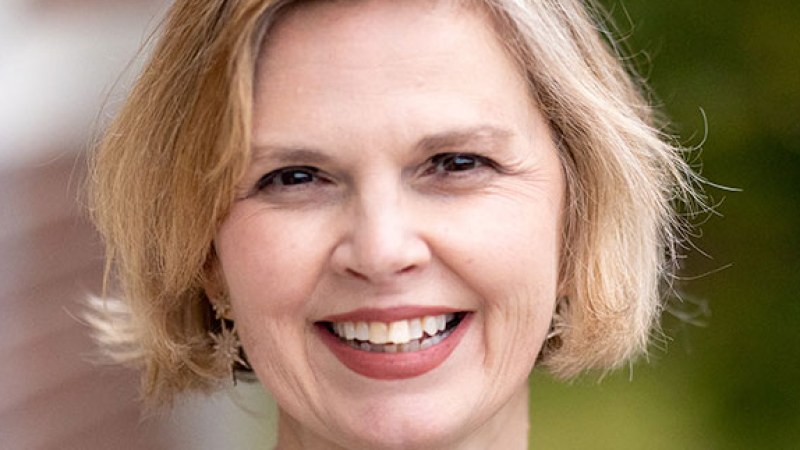
Catherine Sabatos-Peyton
Catherine Sabatos-Peyton is a cancer immunologist turned biotech CEO who runs Larkspur Biosciences, a Cambridge, Massachusetts company building small-molecule drugs that attack cancer's ability to hide from the immune system. As a Harvard PhD student she helped first describe TIM-3, now a major checkpoint protein; she later led discovery of the anti-TIM-3 antibody sabatolimab at CoStim and Novartis. In 2021 she stepped from the lab bench to the corner office, and now leads an all-female executive team whose lead drug, the PIP4K2C degrader LRK-4189, entered human trials in late 2025.
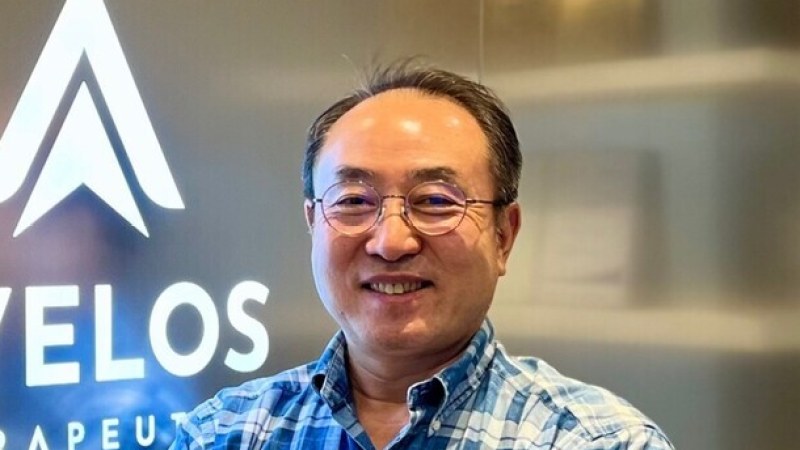
Soongyu Choi
Soongyu Choi is the co-CEO and co-founder of Avelos Therapeutics, a Seoul-based clinical-stage precision oncology company chasing first-in-class small molecules in synthetic lethality, DNA damage response, and cell cycle control. A Harvard-trained chemist who spent a decade at PTC Therapeutics and led R&D at Yuhan and Hana Pharm, he co-founded Avelos in 2021 and was elevated from CTO to co-CEO in January 2024. His flagship program, AD1208, is a first-in-class MASTL kinase inhibitor he frames as a precise strike on cancers that have stopped responding to standard therapy.
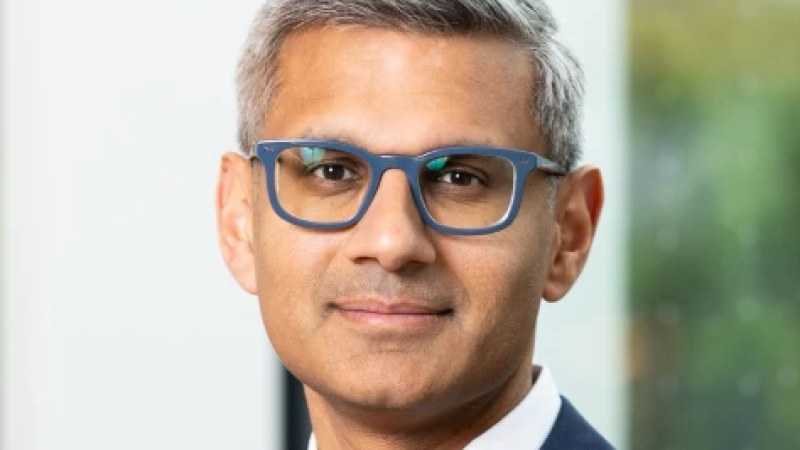
Vishal Patel
Vishal Patel is the co-founder and CEO of Triveni Bio, a Watertown, Massachusetts biotech betting that genetics, not trial-and-error, should decide which antibodies reach patients with immune and inflammatory diseases. He stitched the company together from a two-startup merger, raised more than $200 million across Series A and B rounds, and pointed its lead programs at the skin enzymes behind atopic dermatitis. A Harvard PhD and MIT MBA who once helped draft healthcare legislation on Capitol Hill and still serves as a US Navy reservist, Patel runs a lab while keeping a foot in venture as an Atlas advisor.
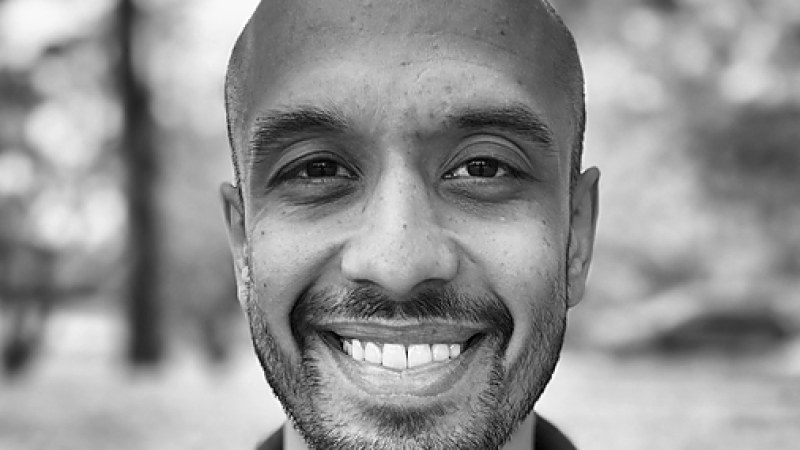
Surge Biswas
Surge Biswas is the co-founder and CEO of Nabla Bio, a Cambridge, Massachusetts biotech that designs antibodies with AI. As a graduate student in George Church's Harvard lab he helped pioneer protein language modeling, a technique now central to machine-learning-guided protein design. At Nabla he built JAM, a generative system he calls 'molecular auto-complete' that designs therapeutic antibodies from a target sequence alone, including against notoriously undruggable membrane proteins like GPCRs. The company has raised roughly $37M and struck collaborations with Takeda, AstraZeneca, and Bristol Myers Squibb worth over a billion dollars in potential payments.
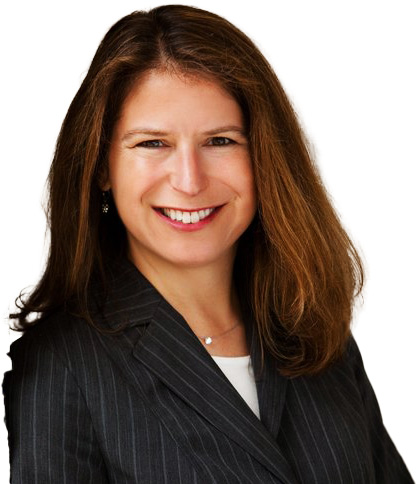
Jennifer Cygan
Jennifer Cygan is a seasoned biotech executive and Chief Business Officer at EpiBiologics, where she helps advance a pipeline of novel bispecific antibodies designed to selectively degrade extracellular protein targets in oncology and immunology. With a Ph.D. from Harvard and over two decades of business leadership in biotechnology, she has been a pivotal force at Genentech, Calico Life Sciences (managing a $2.5B AbbVie alliance), and has co-founded and served as CBO for multiple emerging biotech companies including Broadwing Bio, Eikon Therapeutics, GenEdit, and Plexium. Her career sits at the intersection of science and strategy - translating cutting-edge biology into deals, partnerships, and companies that matter.