enterprise-search
(9)
Your Knowledge Base Is Now AI Infrastructure
ReadMe, KMS Lighthouse, MadCap Software and Microsoft are turning documentation from a reference shelf into a working layer for AI. The useful question is no longer which tool stores the most, but which kind of knowledge your business needs to move.

Knowmax vs Notion Is a Choice Between Answers and Workspaces
Not every knowledge problem needs the same kind of home. Knowmax turns approved support logic into guided resolutions; Notion turns team knowledge into a flexible, connected workspace.
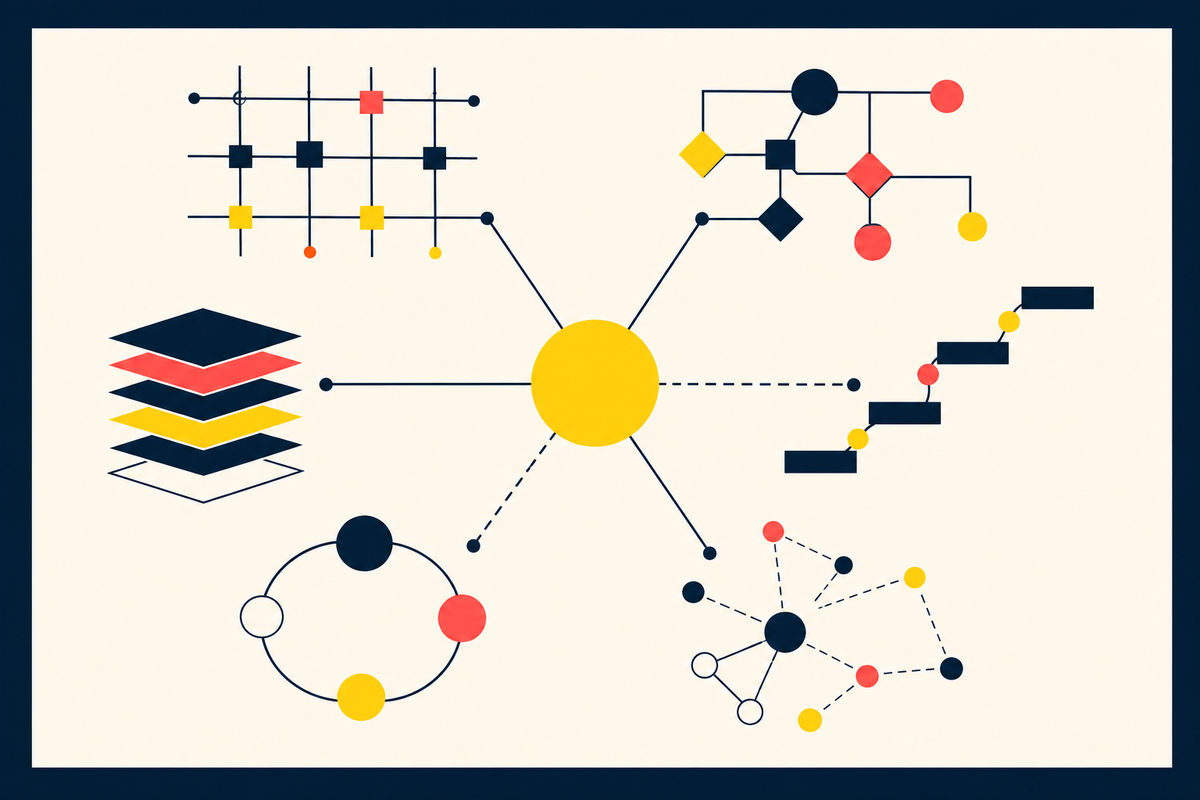
Knowledge Base Software Is a Workflow Decision
Microsoft, ServiceNow, Archbee, ScreenSteps, HubSpot and Nuclino can all hold an answer. The useful question is which one fits the work that creates, approves and uses it.
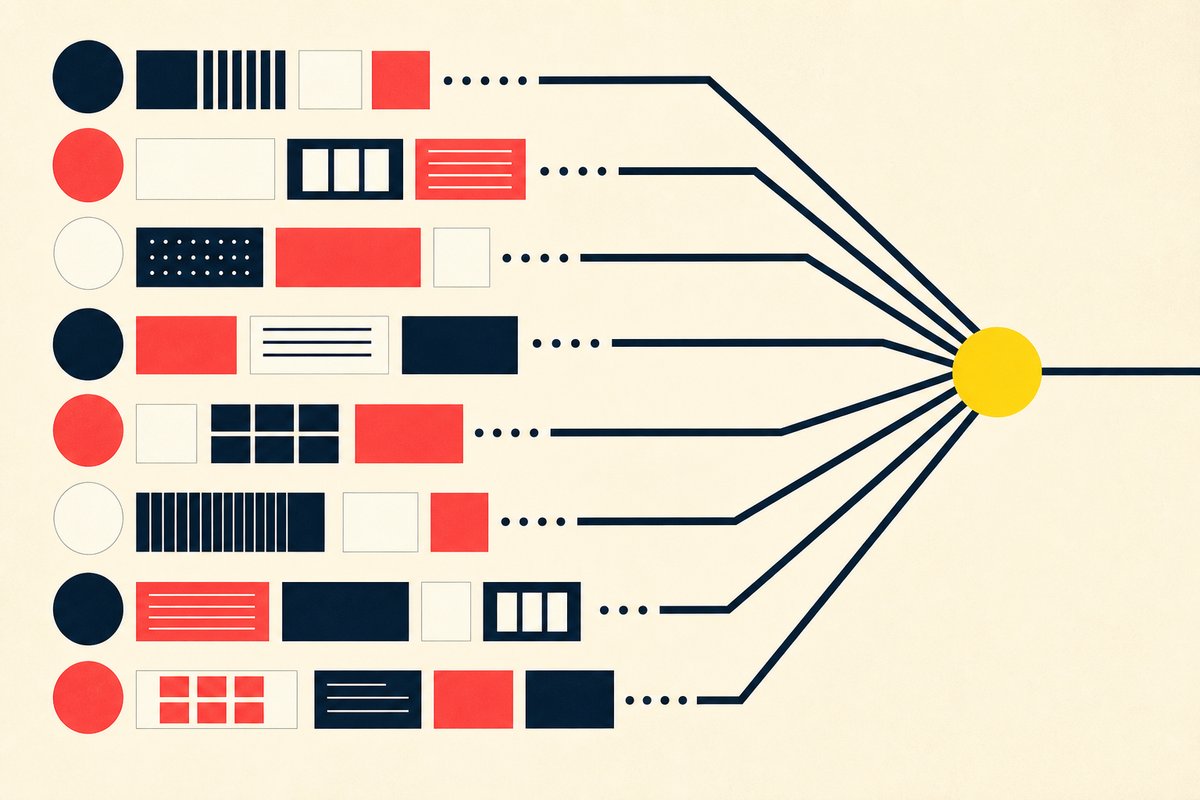
Knowledge Base Software Is Eight Different Products Now
Paligo, Confluence, Stack Internal, ProProfs, eGain, Shelf, Stonly and Bloomfire share a category - and almost nothing else. Here is how to buy for the work your team actually needs done.

The Knowledge Stack Has Four Places to Put the Answer
Confluence, Archbee, Spekit and Upland Panviva all promise to make company knowledge useful. The meaningful difference is where each one expects the answer to meet its reader.
Nobody Reads the Company Wiki. Now AI Reads It For You
Atlassian, Notion, Zendesk, Glean and a pack of rivals spent a decade helping teams write things down. The AI scramble of 2025 rewrote the job description - now the software has to read it all back.

Spekit, Glean and the End of Looking Stuff Up at Work
Two well-funded startups are attacking the same quiet tax on office work - the hours people lose hunting for answers that already exist somewhere in the company. One buries the answer inside the sales tools; the other indexes everything and lets you ask.
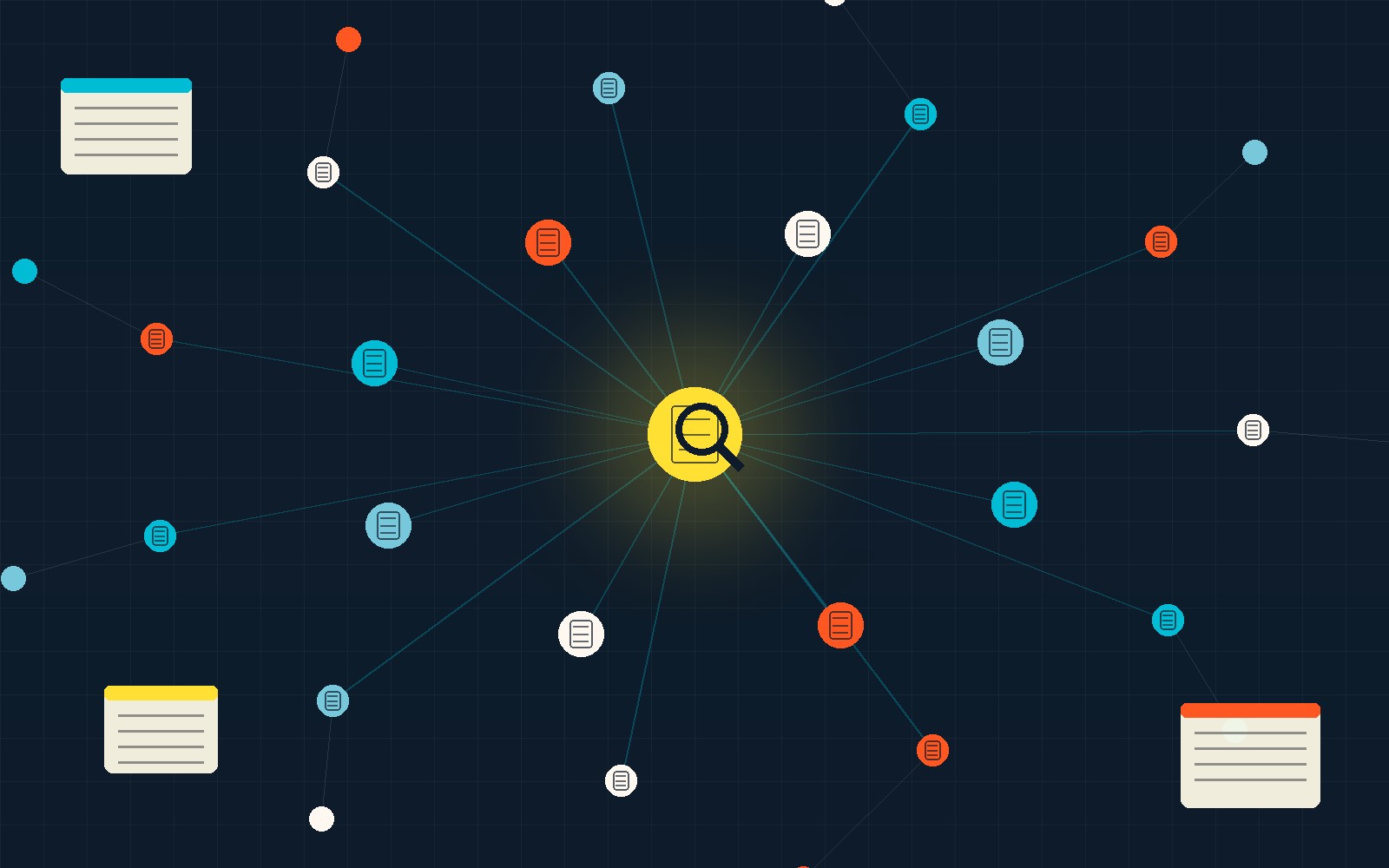
Your Company's Knowledge Is Lost. These 8 Tools Want It Back
Glean, Whatfix, Zendesk, Salesforce, Slite, Spekit, Archbee and Nuclino all sell the same promise - that your team will finally find what it needs. Here is how the eight of them actually split the work.

Knowledge Base Software Is Splitting Into Two Camps
GitBook, Bloomfire, Salesforce and MadCap are chasing the same buyers with wildly different bets. The real dividing line in 2026 is whether your documentation tool thinks for itself.