eeg
(7)
Lantern Laboratory Wants Anesthesia to Read the Brain - Not Just the Room
A tiny New York medtech is betting that anesthesia needs more than one reassuring number. Its EEG platform tries to separate sleep, pain and cognitive age - and an early trial shows exactly how hard that promise will be to prove.

Neurable
Neurable is a Boston-based neurotechnology company building non-invasive brain-computer interfaces (BCIs) that fit inside everyday consumer hardware. Its AI cleans and interprets EEG brain signals captured by soft sensors embedded in products like the MW75 Neuro headphones, translating brain activity into real-time measures of focus, mental fatigue and cognitive recovery. Spun out of University of Michigan research, Neurable aims to make understanding your own brain as natural as checking your step count - starting with headphones and expanding into gaming and enterprise wearables.
Muse by Interaxon Inc.
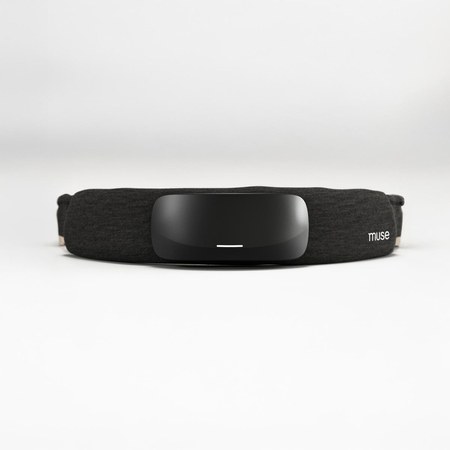
Muse, made by Toronto-based Interaxon Inc., is a brain-sensing headband that turns clinical-grade EEG into a consumer wearable. First shipped in 2014, Muse reads your brainwaves and, through a companion app, gives real-time audio feedback to guide meditation, track sleep, and train focus. The company has since layered on fNIRS and SpO2 sensing (Muse S Athena, 2025) and an AI brain-health platform trained on more than a billion minutes of EEG data, positioning Muse at the intersection of consumer wellness and clinical neuroscience.

Attune Neurosciences, Inc.
Attune Neurosciences is a San Francisco-based, clinical-stage medical device company building what it calls the first wearable, non-invasive focused-ultrasound system for deep brain therapy. Its investigational headband, ATTN201, uses low-intensity transcranial focused ultrasound (tFUS) to reach precise deep-brain targets - like the central medial thalamus - while recording EEG and head movement, aiming to treat sleep and wake disorders, depression, addiction recovery, and other neurological and psychiatric conditions without drugs or surgery.
Elemind Technologies
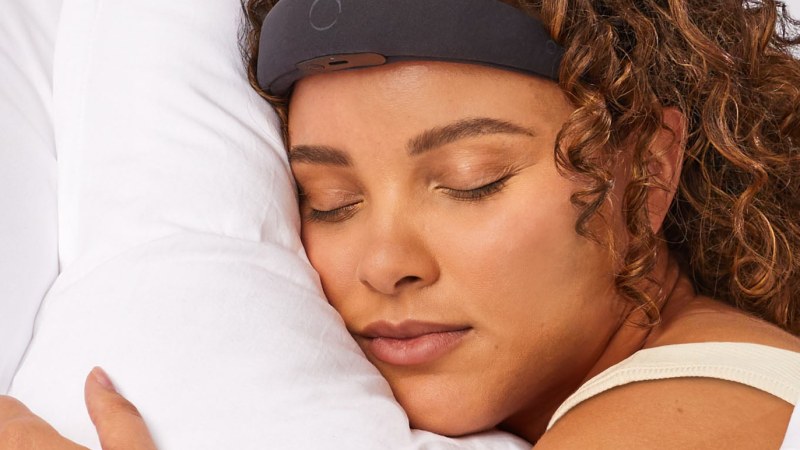
Elemind Technologies is a Cambridge, Massachusetts neurotech company spun out of MIT that makes a wearable EEG headband which reads your brainwaves and plays phase-locked acoustic pulses through bone conduction to help you fall asleep faster - without drugs. Founded by a group of leading neuroscientists and led by CEO Meredith Perry, the company launched its $399 'sleep on demand' headband in 2024 after raising $12 million in seed funding. Its broader ambition is an 'app store for the brain': one wearable running different neuromodulation protocols for sleep, tremor, memory and beyond.

Arctop
Arctop is a cognition company building software that decodes the human brain. Its AI platform translates electrical brain-activity signals from everyday wearables - headbands, earbuds, and VR/AR headsets - into real-time, actionable insight about focus, emotion, intention, and memory. Founded in 2016 by neuroscientist Dan Furman and engineer Eitan Kay, Arctop licenses its non-invasive brain-decoding software to developers and enterprises across health, entertainment, education, and government, positioning itself as the intelligence layer between brain-sensing hardware and the applications that use it.
Beacon Biosignals
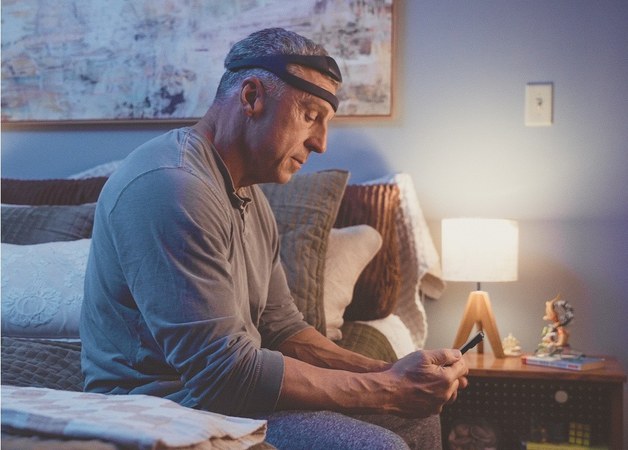
Beacon Biosignals is a Boston-based neurotechnology company that pairs FDA-cleared wearable EEG hardware with AI to turn brain electrical activity - especially during sleep - into scalable, at-home neurodiagnostics. Its platform powers drug development, clinical trials, and precision medicine across neurology, psychiatry, and sleep medicine.