directed-evolution
(3)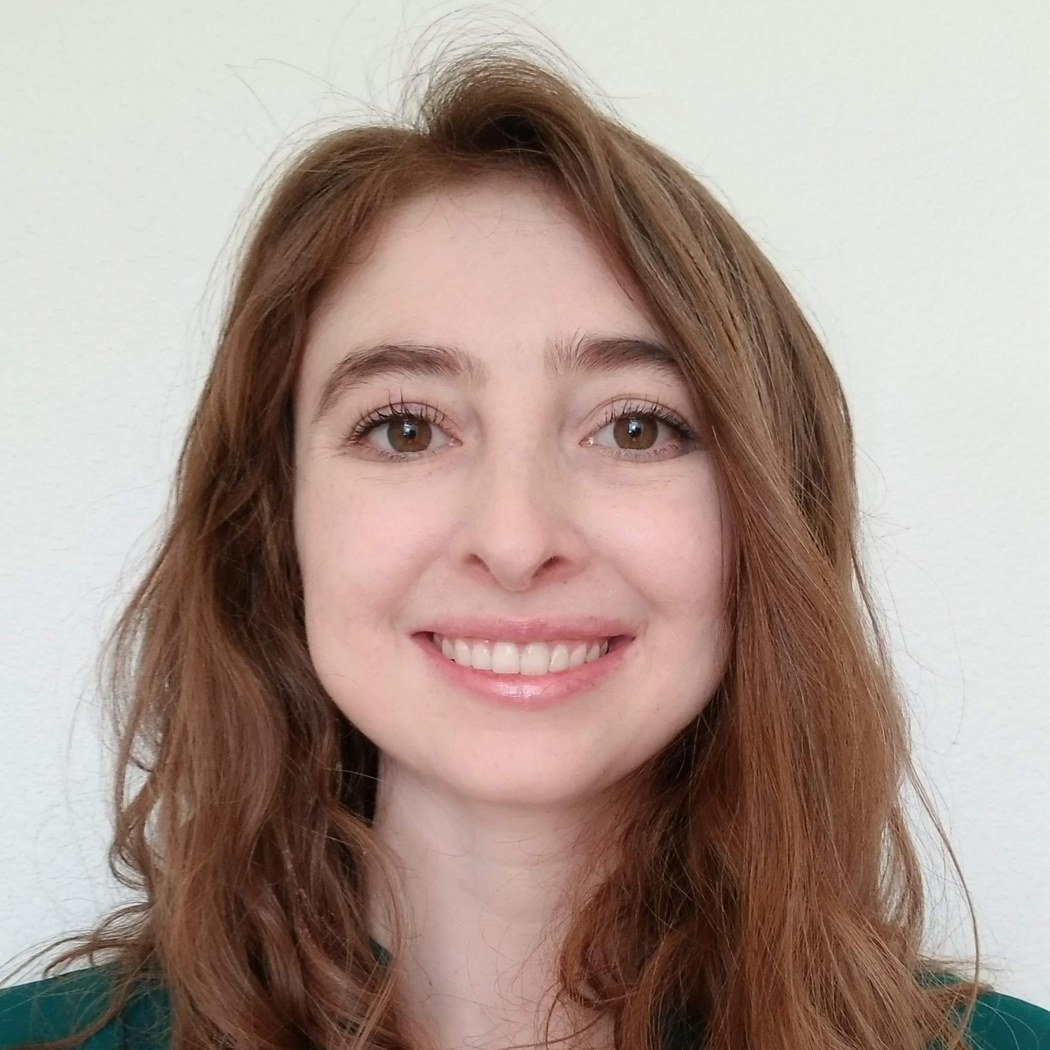
Tina Boville wanted dragons. She built a bigger chemical alphabet.
Childhood science fiction gave Christina "Tina" Boville an idea: biology could make things nature had never tried. A detour through recycling bins, evolved enzymes and startup auctions turned that idea into Aralez Bio.
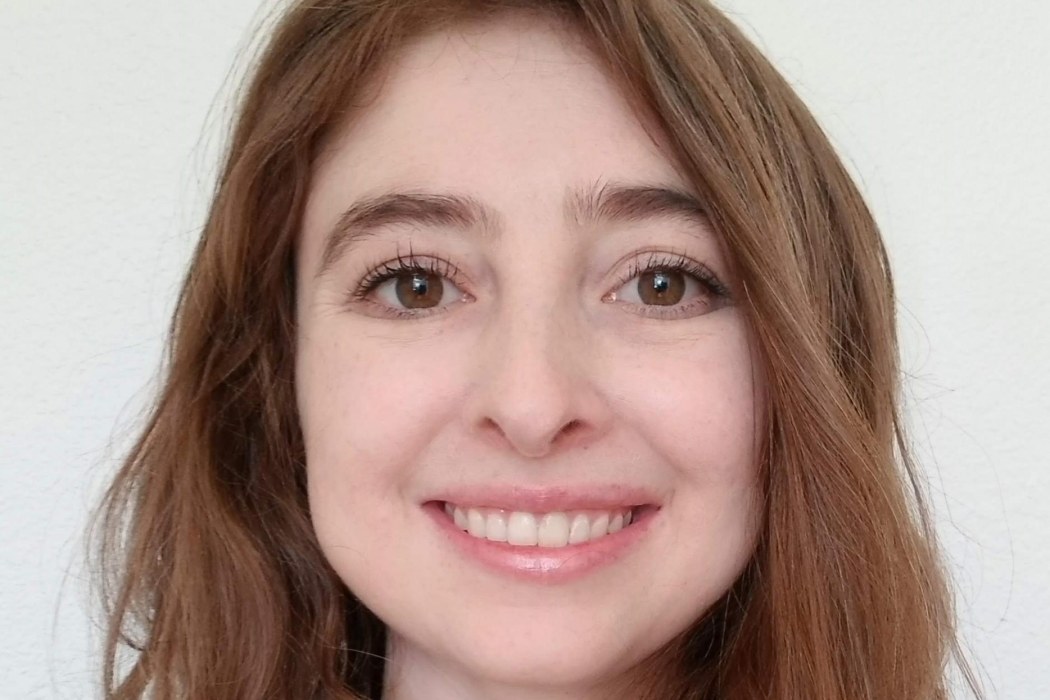
Tina Boville
Tina Boville is the co-founder and CEO of Aralez Bio, a Berkeley-based biotechnology company using directed evolution to make noncanonical amino acids - the building blocks behind a growing share of modern medicines. A biochemist trained at the University of Colorado and Caltech, where she worked in Nobel laureate Frances Arnold's lab, Boville turned an engineered enzyme platform into a company that can produce over 100 amino acids in single-step reactions, cutting manufacturing waste by up to 99%. She has been named to MIT Technology Review's Innovators Under 35, is an Activate Fellow, and in 2024 raised a $12 million Series A to scale production to tons per year.
Noah Helman
Noah Helman is the co-founder and CEO of Industrial Microbes (iMicrobes), an Alameda, California synthetic biology company that engineers the central metabolism of microbes so they can eat cheap, renewable feedstocks - ethanol and methane - and spit out the chemicals normally pumped from petroleum. A Stanford applied-physics PhD who spent roughly a decade in physics labs before crossing into biology, Helman co-founded the company in 2014 with two fellow alumni of the biofuels startup LS9. iMicrobes targets drop-in, cost-competitive, net-zero versions of acrylic acid (for paints and adhesives) and acrylonitrile (for carbon fiber). The company went through Y Combinator's W15 batch, holds more than 20 patents, raised a $10M+ seed round in late 2024, and in 2025 announced it had scaled production of 100% bio-based, high-purity acrylic acid.