diabetes-care
(5)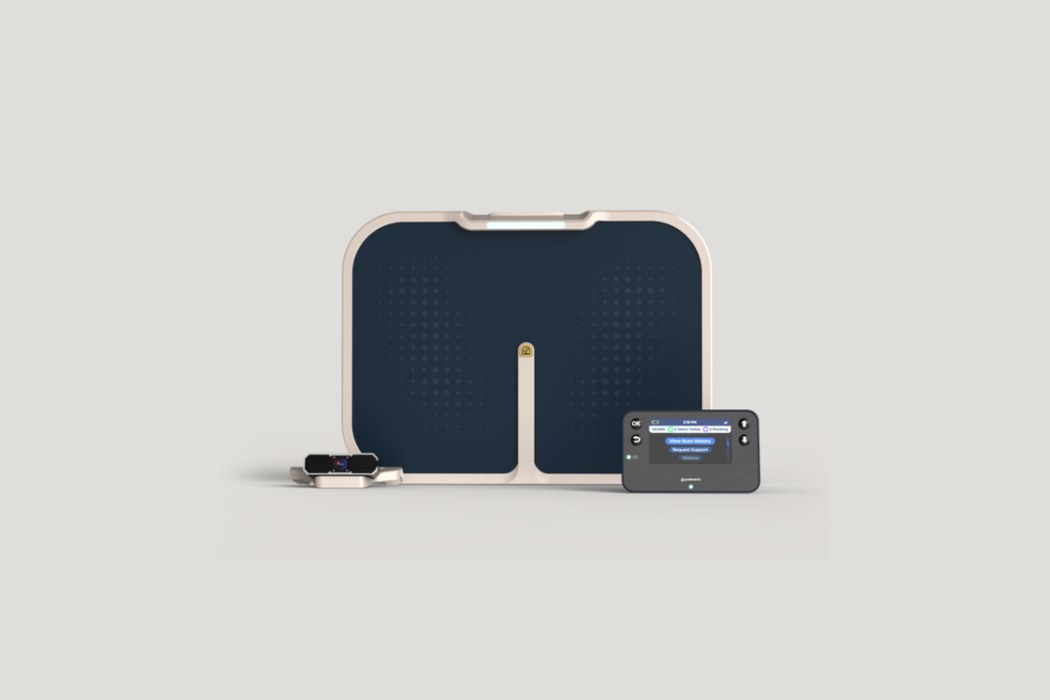
The $100,000 Problem Hiding Under a Patient's Foot - and the 20-Second Habit Podimetrics Built to Catch It
Podimetrics began with an insole, survived an electrical-tape prototype, and found its business in a deceptively simple ritual: stand still for 20 seconds before a wound becomes a crisis.

Orange Biomed Bet Its A1C Test on One Weird Fact: Sugar Makes Blood Cells Stiff
A Duke-born startup turned the stiffness of red blood cells into a pocket-size diabetes test. The science is clever; the harder experiment is getting a regulated device from a five-minute demo into millions of homes.
Apollon
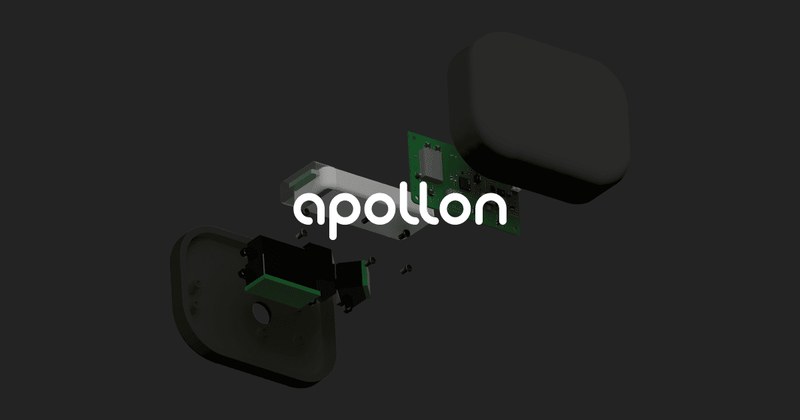
Apollon is a Korean-American medtech company building MOGLU, a needle-free continuous glucose monitor that reads blood sugar through the skin using Raman spectroscopy instead of a subcutaneous filament. Founded in Seoul in 2021 by Aram Hong and researchers tied to MIT and Asan Medical Center, the company is developing a compact wearable that reported accuracy comparable to leading CGMs in early MIT clinical testing, has been granted FDA Breakthrough Device designation, and won a 2025 CES Innovation Award.
Kaleido
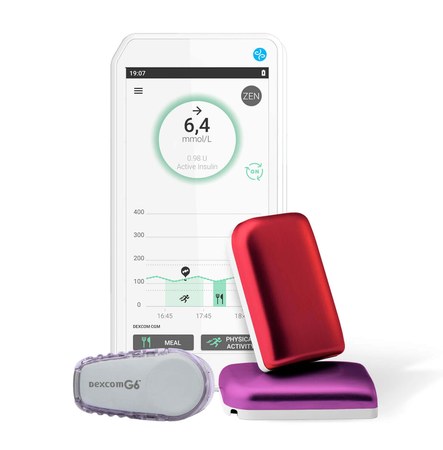
Kaleido is a small, discreet, customizable insulin patch pump built by Dutch medtech company ViCentra to make living with diabetes less of a burden. Designed to look and feel like a lifestyle product rather than a clinical device, Kaleido pairs with Diabeloop's self-learning algorithm and the Dexcom CGM to enable hybrid closed-loop, app-controlled insulin delivery. With more than 3,500 users in Europe and an $85M+ Series D raised in 2025, the company is scaling manufacturing of its next-generation Kaleido 2 and preparing for entry into the United States.

Thomas Arnold
Thomas (Tom) Arnold is the Chief Executive Officer of ViCentra, the Dutch maker of Kaleido, billed as one of the smallest, lightest and most precise insulin patch pumps in its class. Appointed in February 2025 after nearly 25 years across Medtronic, PROCEPT BioRobotics, Boston Scientific and Sorin Group, he is steering ViCentra's smartphone-controlled automated insulin delivery system into European markets and toward a US entry, backed by financing that has grown from $85M to $98M.