denim
(16)
Universal Standard made room for the customer fashion left upstairs
Two friends put $300,000 into eight pieces of clothing. Their wager: women wanted better clothes in their own size, rather than another invitation to change their bodies.
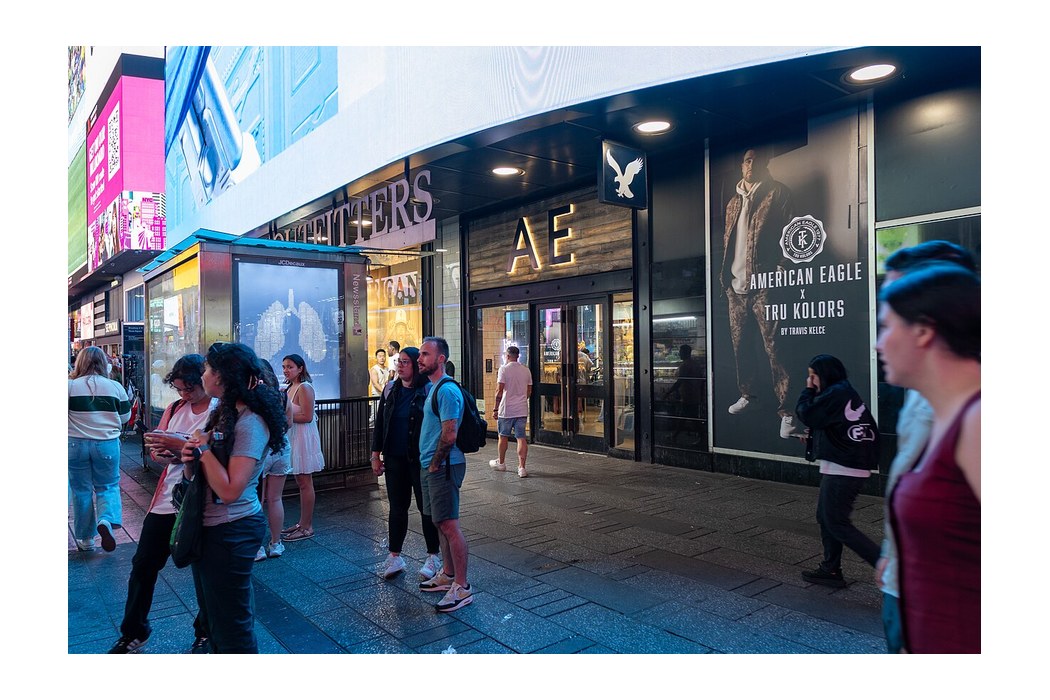
American Eagle Outfitters Inc.
American Eagle Outfitters, Inc. (NYSE: AEO) is a Pittsburgh-headquartered specialty apparel retailer that has spent nearly five decades selling jeans to teenagers and young adults - and, more recently, learning how to sell a great deal more than jeans. Founded in 1977 by brothers Jerry and Mark Silverman, the company now runs a five-brand portfolio: the namesake American Eagle denim and casualwear label; Aerie, the intimates and swim brand built on unretouched imagery; OFFLINE by Aerie in activewear; Todd Snyder in premium menswear; and Unsubscribed, a slow-fashion experiment. Fiscal 2025 revenue reached roughly $5.5 billion across about 1,168 company-operated stores, 357 internationally licensed locations, and a digital business spanning ae.com, aerie.com and toddsnyder.com. The company describes its flagship as the leading jeans brand for US shoppers aged 15 to 25. Its recent story is one of divergence: Aerie crossed $2 billion in trailing-twelve-month revenue and posted 25% comparable-sales growth in the first quarter of fiscal 2026, while the American Eagle brand has been flatter - even after the widely debated Sydney Sweeney denim campaign of July 2025 delivered what management called unprecedented new-customer acquisition.
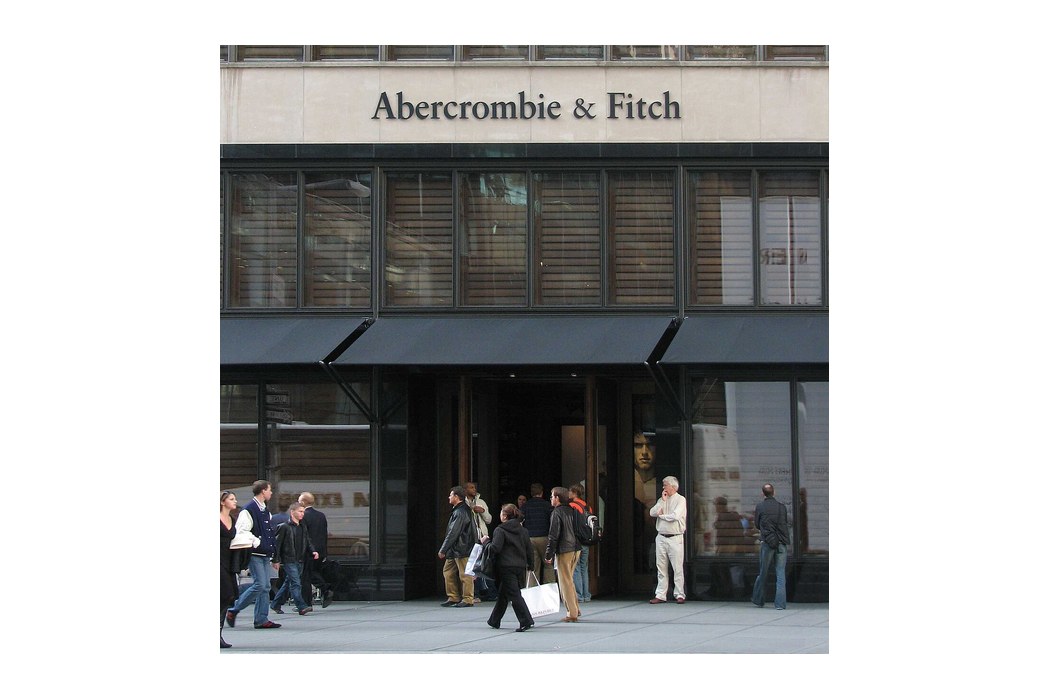
Abercrombie & Fitch Co.
Abercrombie & Fitch Co. (NYSE: ANF) is a Columbus, Ohio-based global specialty apparel retailer that operates a family of brands - Abercrombie & Fitch, abercrombie kids, Hollister, Gilly Hicks, Social Tourist and the YPB activewear line - across roughly 840 company-operated stores, a franchise network and a digital business that accounts for close to half of revenue. Founded in 1892 as a Manhattan outfitter that supplied Theodore Roosevelt's safaris and counted Ernest Hemingway among its customers, the company spent the 2010s dismantling the exclusionary teen-mall identity it had built in the 1990s and 2000s. Under CEO Fran Horowitz, who took over in 2017, it split its two flagship brands into distinct demographic lanes - Abercrombie for millennials in their twenties and thirties, Hollister for teenagers - shrank store footprints, and rebuilt merchandising around a lean-inventory 'chase' model that reads early demand signals and reorders fast. The approach produced record fiscal 2025 net sales of $5.27 billion, a third straight year of double-digit operating margin, and one of the more complete reputational reversals in modern American retail.

ANINE BING
ANINE BING is a Los Angeles-based global fashion house founded in 2012 by Danish designer Anine Bing and her husband Nicolai Bing. Built out of a Silver Lake garage and scaled through a highly engaged social-media audience, the brand pairs Scandinavian minimalism with American energy to make timeless wardrobe essentials - leather jackets, denim, knitwear, jewelry and accessories - sold direct-to-consumer online and through a growing network of global retail stores. Backed by Index Ventures, Greycroft and Felix Capital, ANINE BING has grown into a nine-figure business operating dozens of stores worldwide.

Billy Reid
Billy Reid is an American luxury fashion house based in Florence, Alabama, founded by four-time CFDA-winning designer Billy Reid. Known as 'American luxury built to last,' the brand blends Southern craft and hospitality with a New York sensibility, offering menswear, womenswear, custom tailoring, footwear and accessories through freestanding stores, wholesale partners and a direct-to-consumer site. Beyond clothing, Billy Reid is a culture brand - its Shindig festival brings together music, food, art and design in the Muscle Shoals region.

Calvin Klein
Calvin Klein is an American global fashion house founded in 1968 by designer Calvin Klein and business partner Barry Schwartz. Known for minimalist design, denim, underwear, fragrances and provocative advertising, the brand elevates everyday essentials to iconic status. Now owned by PVH Corp., Calvin Klein products generate roughly $9 billion in global retail sales annually and are sold across apparel, underwear, fragrances, accessories and home through wholesale, retail and digital channels worldwide.

Edikted
Edikted is a Los Angeles-based, Gen Z-focused online fashion brand founded in 2020 by former Adika executives Dedy Shwartzenberg and Zvika Alon. It sells trend-led, affordable women's apparel and accessories - dresses, denim, tops, swimwear and more - and rose to prominence through viral TikTok marketing. After starting online-only, Edikted has expanded into physical retail, opening flagship stores in major U.S. malls and moving into Europe, positioning itself as a curated, community-driven alternative to ultra-fast-fashion players like Shein and Temu.
Glik's
Glik's is a fifth-generation, family-owned specialty apparel retailer founded in 1897 and headquartered in Collinsville, Illinois. It operates roughly 70 boutique-style clothing and footwear stores across 11 Midwestern states, plus an e-commerce site, carrying denim and trending national brands like Judy Blue, Birkenstock, The North Face, Silver Jeans, Roxy and Simply Southern. One of the oldest continuously operating retailers in the United States, Glik's focuses on smaller communities and personalized service.

Kellwood Company
Kellwood Company is an American apparel design, sourcing, manufacturing and marketing firm founded in 1961. It builds and operates women's, juniors' and girls' fashion brands - including Democracy, Jolt, Briggs New York, Rewind, My Michelle and Wit & Wisdom - and provides private-label and full-package product development, sourcing, quality assurance and distribution services for major retailers such as Nordstrom, Macy's, Kohl's, Dillard's, Target and Costco.
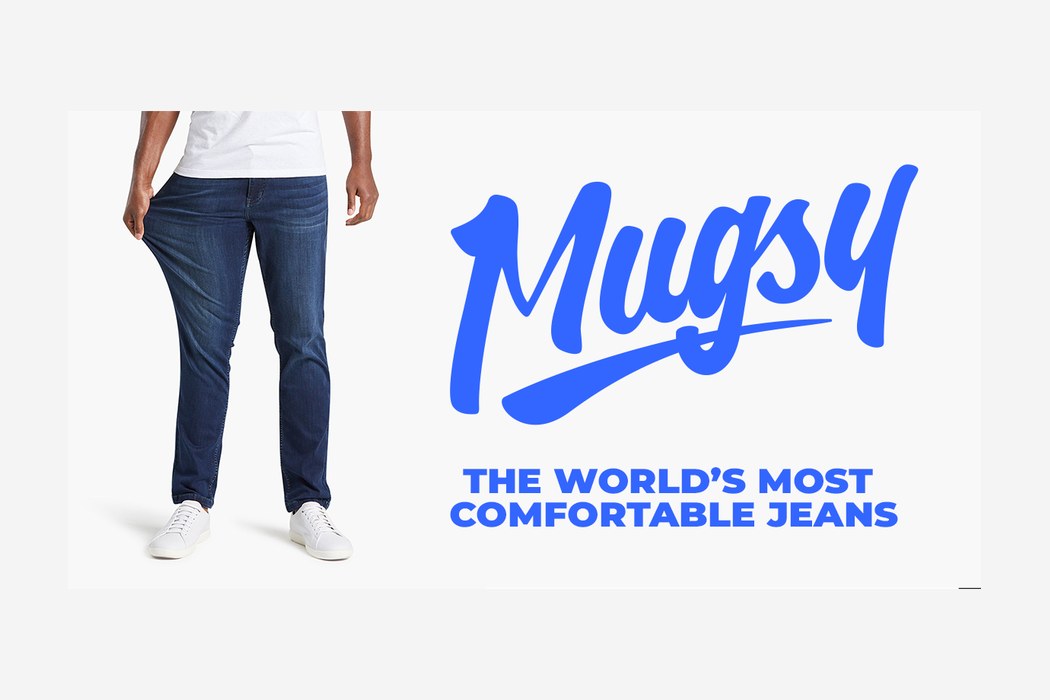
Mugsy
Mugsy is a Chicago-based direct-to-consumer menswear brand built around a single idea: men shouldn't have to trade comfort for style. Founded in 2015 by Leo Tropeano, the company designs stretchy, athletic-fit jeans, chinos, shorts and shirts using a custom performance-denim blend that adds more spandex and softer cotton than typical stretch jeans. Sold almost entirely online with free shipping and returns, Mugsy has grown into one of the fastest-growing apparel companies in the U.S., earning more than 40,000 five-star reviews and a spot on the Inc. 5000.

Sendero Provisions Co.
Sendero Provisions Co. is a Waco, Texas apparel brand that makes story-driven, Western-inspired clothing and gear - from its signature performance pearl snap shirts and t-shirts to hats, denim and accessories. Founded in 2014 around a single hat inspired by the landscapes of Big Bend country, Sendero blends outdoor performance fabrics with a distinctly Texan sense of humor and craft, selling direct-to-consumer online and through a growing wholesale network of Western, outdoor, boutique and surf retailers.

Torrid
Torrid is a California-based direct-to-consumer retailer of plus-size women's apparel and intimates, designing trend-driven clothing in sizes 10 to 30. Launched in 2001 as a Hot Topic concept and public on the NYSE since 2021 under ticker CURV, the brand pairs a digitally led e-commerce business with a fleet of specialty stores, and builds fit authority by developing garments on live plus-size fit models rather than grading up smaller patterns.
True Religion
True Religion is a Los Angeles-born premium denim and lifestyle brand founded in 2002, known for its signature Super T stitch, thick contrast stitching and the horseshoe logo that came to define 2000s denim. After two bankruptcies and a broad reset, the company has rebuilt itself as an omnichannel retailer with a fast-growing e-commerce arm, roughly 50+ branded stores and a marketing playbook that blends hip-hop culture, celebrity campaigns and Gen Z nostalgia. In January 2025 ACON Investments, with strategic partner SB360, acquired a controlling stake in the brand.
TWP
TWP is a New York womenswear label founded by designer Trish Wescoat Pound, the former founder of Haute Hippie. Built around impeccably tailored shirting and elevated everyday essentials, TWP takes menswear-inspired proportions and luxury Italian fabrics and turns them into relaxed, versatile pieces made in New York City. Launched for spring 2022 with backing from Theory co-founder Andrew Rosen, the brand has become a downtown cult favorite and, in 2025, joined the CFDA's official New York Fashion Week calendar.

unspun
unspun is a San Francisco-based fashion-technology company that built Vega, the world's first 3D weaving system for apparel. Vega weaves garments directly from yarn in minutes, skipping cut-and-sew steps to enable on-demand, near-zero-waste, locally produced clothing. A certified B Corp founded in 2015, unspun sells custom-fit jeans direct to consumers while licensing its hardware and software to brands and retailers aiming to decarbonize their supply chains. Its stated mission is to reduce global human carbon emissions by 1%.
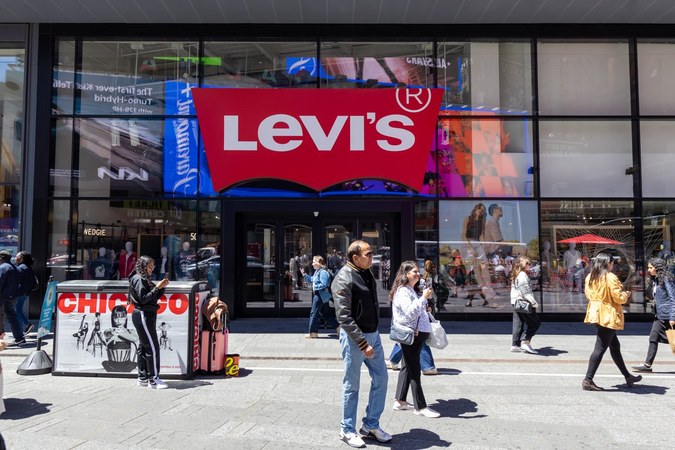
Levi Strauss & Co.
Levi Strauss & Co. is the San Francisco apparel company that invented the blue jean in 1873 and has spent 170-plus years turning a piece of workwear into a global wardrobe staple. Today it owns the Levi's, Dockers, Beyond Yoga and Denizen brands, sells in more than 110 countries, and is reinventing itself under CEO Michelle Gass as a direct-to-consumer denim lifestyle brand while pushing water-saving manufacturing across its supply chain.