computer-hardware
(13)
Suryaprakash Ganti and the Invisible Ceiling Inside Every Chip
After years spent shrinking displays and teaching phones to read fingerprints, the engineer behind Frore Systems turned to a less glamorous adversary: trapped heat. His wager is that the next leap in computing may begin with moving air through a space barely thicker than a coin.
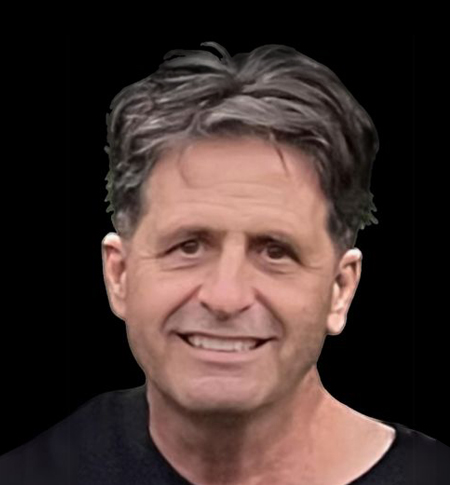
Douglas Monsour Built a Computer Company for the Rooms Ordinary PCs Cannot Handle
Since 1989, the Tangent co-founder has followed one durable idea: build computers around the room they must survive, not the spec sheet they happen to carry.
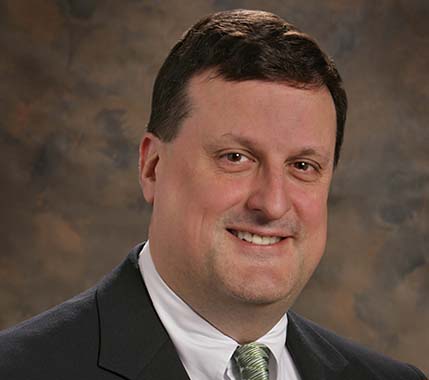
Tim Klein Built a 38-Year Company in the Space Between the Machines
ATTO does not make the computer or the storage. Tim Klein built a durable business in the vital space between them - one careful connection at a time.

B. Scott Davis and the Long Memory of Technology
He joined Western Digital when storage was measured in megabytes. Thirty-eight years later, B. Scott Davis is selling the overlooked layer of the AI economy: somewhere for all that intelligence to live.
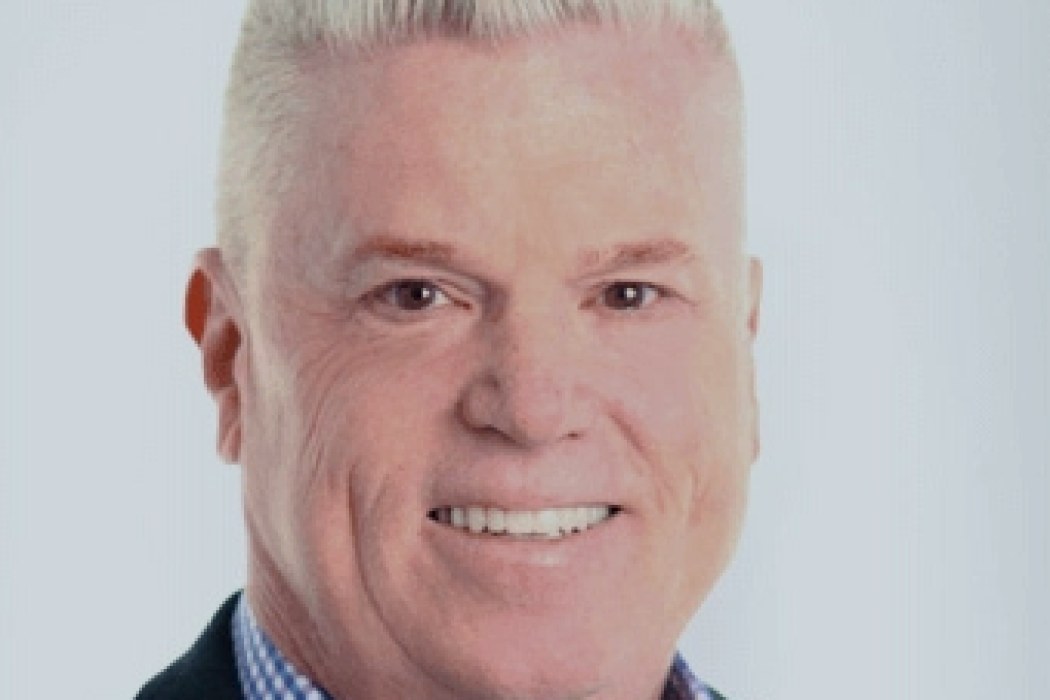
Doug Layne
Doug Layne is the President and CEO of ClearCube Technology, a Cedar Park, Texas manufacturer of secure endpoint devices for virtual desktop infrastructure. He joined ClearCube in 2001 and rose through general management and global sales leadership before taking the top job. He now steers the company's focus on US-built zero clients, thin clients, blade PCs and secure KVM hardware serving government, military, healthcare and enterprise customers.
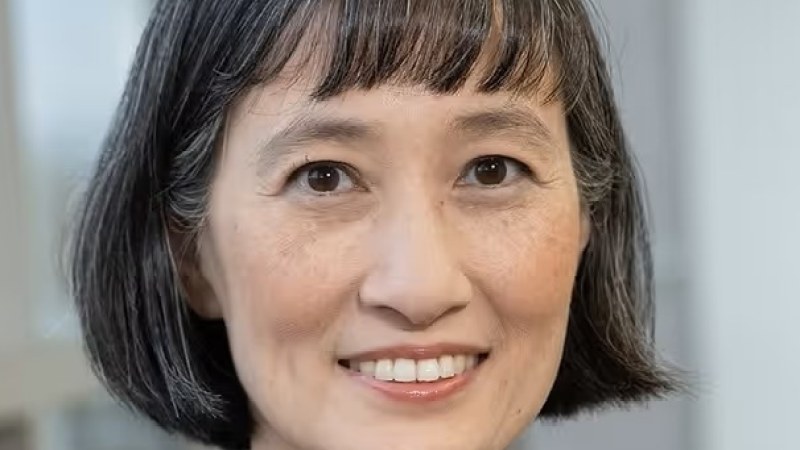
Debbie Marr
Dr. Debbie Marr is the co-founder, CEO and President of AheadComputing, a Beaverton, Oregon startup building high-performance 64-bit RISC-V CPU cores. A former Intel Fellow and Chief Architect of Intel's Advanced Architecture Development Group, she spent 33 years shaping processors from the i386 era to modern Core and Xeon chips, served as server architect of the Pentium Pro, turned Hyper-Threading from concept into shipping product on the Pentium 4, and was chief architect of the 4th Gen Core (Haswell). She holds a PhD from the University of Michigan, more than 40 patents and 30+ published papers, and in 2024 left Intel with three fellow architects to prove that open architectures can deliver top-tier performance because, in her words, everybody deserves better compute.
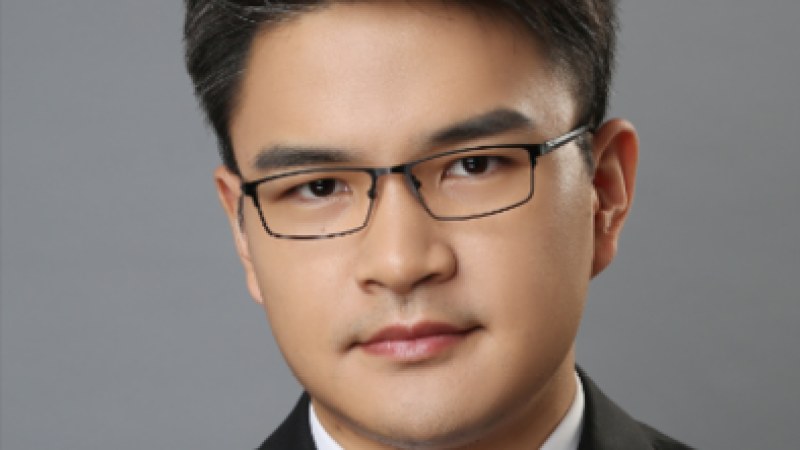
Li Zhu
Li Zhu is the founder and CEO of Deptrum (光鉴科技), a 3D vision company building full-stack depth-sensing hardware and software powered by nanophotonics and AI. A Tsinghua undergraduate and UC Berkeley PhD in nano-optoelectronics, he led the depth camera module team behind Apple's iPhone X Face ID before leaving in 2018 to build a structured-light approach that sidesteps Apple's patent monopoly. Deptrum's depth cameras now ship into smartphones, smart cockpits, robots, IoT devices and palm-payment systems, and the company has raised through a Series B.
Lisa Lahde
Lisa Lahde is Vice President of Marketing at NVIDIA, where she leads campaign marketing for priority industries and the Omniverse platform. A veteran tech marketer with roots in social media and community management, she joined NVIDIA around 2016 and has helped shape the company's storytelling around AI, autonomous systems, and the industrial metaverse. She produced NVIDIA's 'I Am AI' docuseries, contributed to Forbes BrandVoice as an AI innovator profiler, and moderated the OpenUSD session at GTC 2024 in San Jose. Outside the GPU giant's orbit, she runs the persona of @JewelryHunter - a longtime indie fashion enthusiast who blogged about emerging jewelry designers.
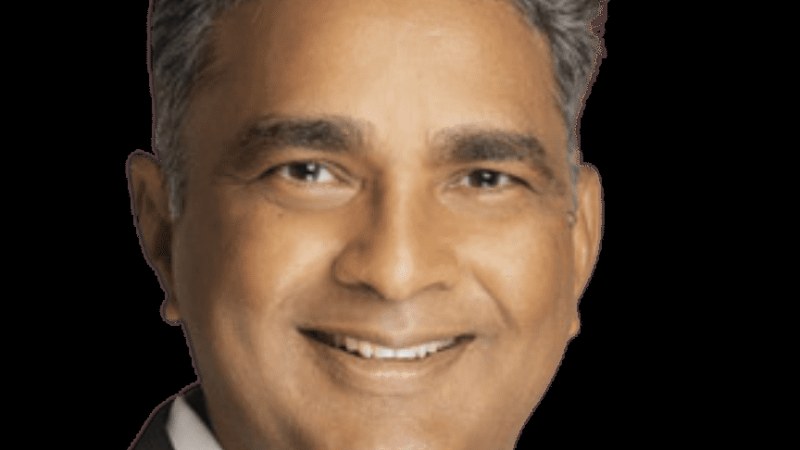
Venkat Mattela
Dr. Venkat Mattela is the Founder and CEO of Ceremorphic, Inc., a San Jose-based deep-tech company designing ultra-low-power AI supercomputing chips built on TSMC's 5nm process. A serial entrepreneur with a PhD in Electrical Engineering, he previously founded Redpine Signals and sold its wireless connectivity division to Silicon Labs for $308 million in 2020. With over 100 patents and four decades in semiconductor engineering, Mattela is now betting Ceremorphic's proprietary ThreadArch architecture can reshape AI computing for data centers, drug discovery, and next-generation HPC workloads.
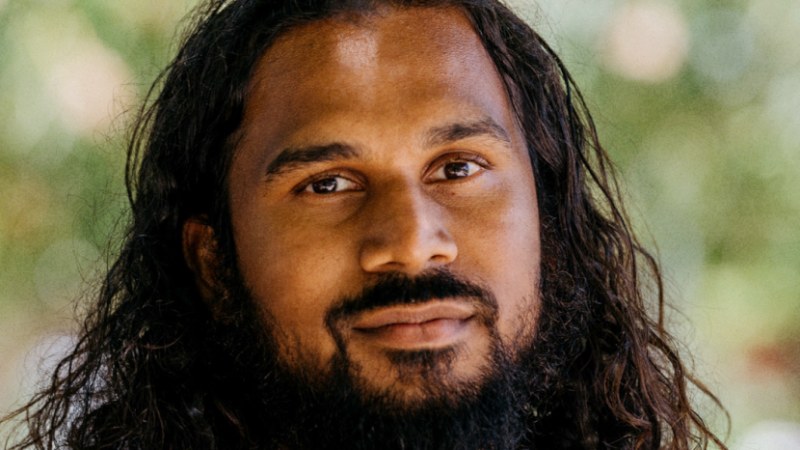
Anjan Katta
Anjan Katta is the founder and CEO of Daylight Computer Co., a San Francisco-based public benefit corporation building the world's first blue-light-free, high-refresh-rate tablet designed for human health and deep focus. His flagship product, the DC-1, uses proprietary 'Live Paper' reflective LCD technology - patented by Katta himself - to eliminate flicker, reduce eye strain, and strip away the dopamine-exploiting design patterns baked into conventional screens. A Stanford-educated engineer who started the company in 2018 after years of frustration with how screens were affecting human attention and wellbeing, Katta has raised $20 million from tech veterans and sold out every Founder's Edition batch of the DC-1.
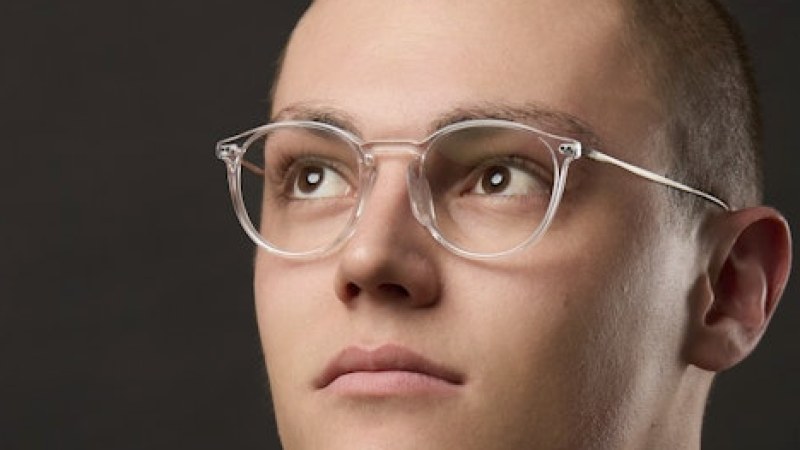
Nicolas Muller
Nicolas Muller is the co-founder and CEO of Arago, a Paris-based deep-tech startup building a photonic AI accelerator called JEF that uses light instead of transistors to perform AI inference at 10x lower energy than leading GPUs. Coming from a physics and machine learning background - including an ML degree from MIT - Muller co-founded Arago in 2024 alongside Eliott Sarrey and Ambroise Müller. The company raised an oversubscribed $26M seed round in July 2025 backed by Earlybird, Protagonist, Visionaries Tomorrow, and angels from Apple, Datadog, Hugging Face and Arm. Arago's approach - top-down from inference efficiency requirements, not bottom-up from optics research - delivered a working prototype in under 12 months.
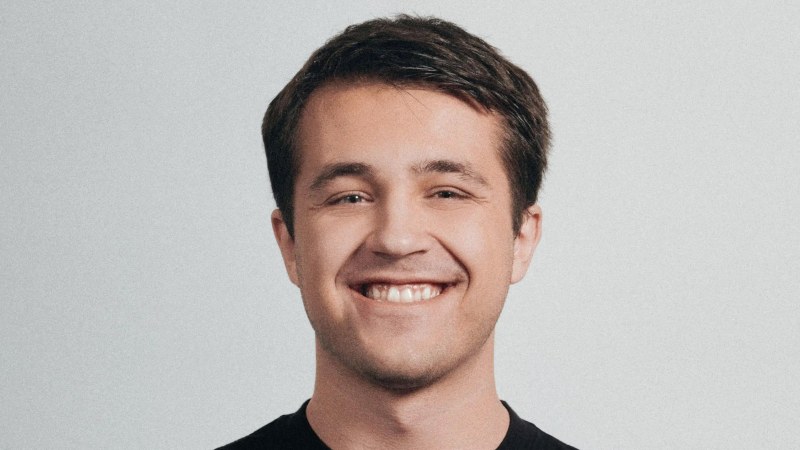
Gavin Uberti
Gavin Uberti is the co-founder and CEO of Etched, a Cupertino-based AI chip startup building the world's first transformer-specific ASIC called Sohu. A Harvard dropout and 2024 Thiel Fellow, Uberti co-founded Etched in 2022 alongside Chris Zhu and Robert Wachen after betting that transformer architecture would dominate AI for years to come. That bet has paid off spectacularly: Etched has raised over $625 million (including a $500M round in January 2026 at a $5 billion valuation), and Sohu claims to run transformer inference 20x faster than Nvidia's H100 at a fraction of the cost - positioning Etched as one of the most serious challengers to Nvidia's dominance in AI compute.

Rodrigo Liang
Rodrigo Liang is the co-founder and CEO of SambaNova Systems, an AI infrastructure company he built from the ground up in 2017 alongside Stanford professors Kunle Olukotun and Chris Ré. Born in Taipei, raised in Brazil, and trained in electrical engineering at Stanford, Liang spent two decades designing high-performance processors at Hewlett-Packard, Sun Microsystems, and Oracle before betting that the entire computing paradigm for AI needed to be reimagined. SambaNova's Reconfigurable Dataflow Unit (RDU) is the architectural expression of that conviction - chips designed around data movement rather than instructions - and in February 2026 the company announced the SN50, claiming it runs agentic AI 5x faster than competing chips at 3x lower cost, backed by $350M in Series E funding and a strategic partnership with Intel.