clinical-genomics
(4)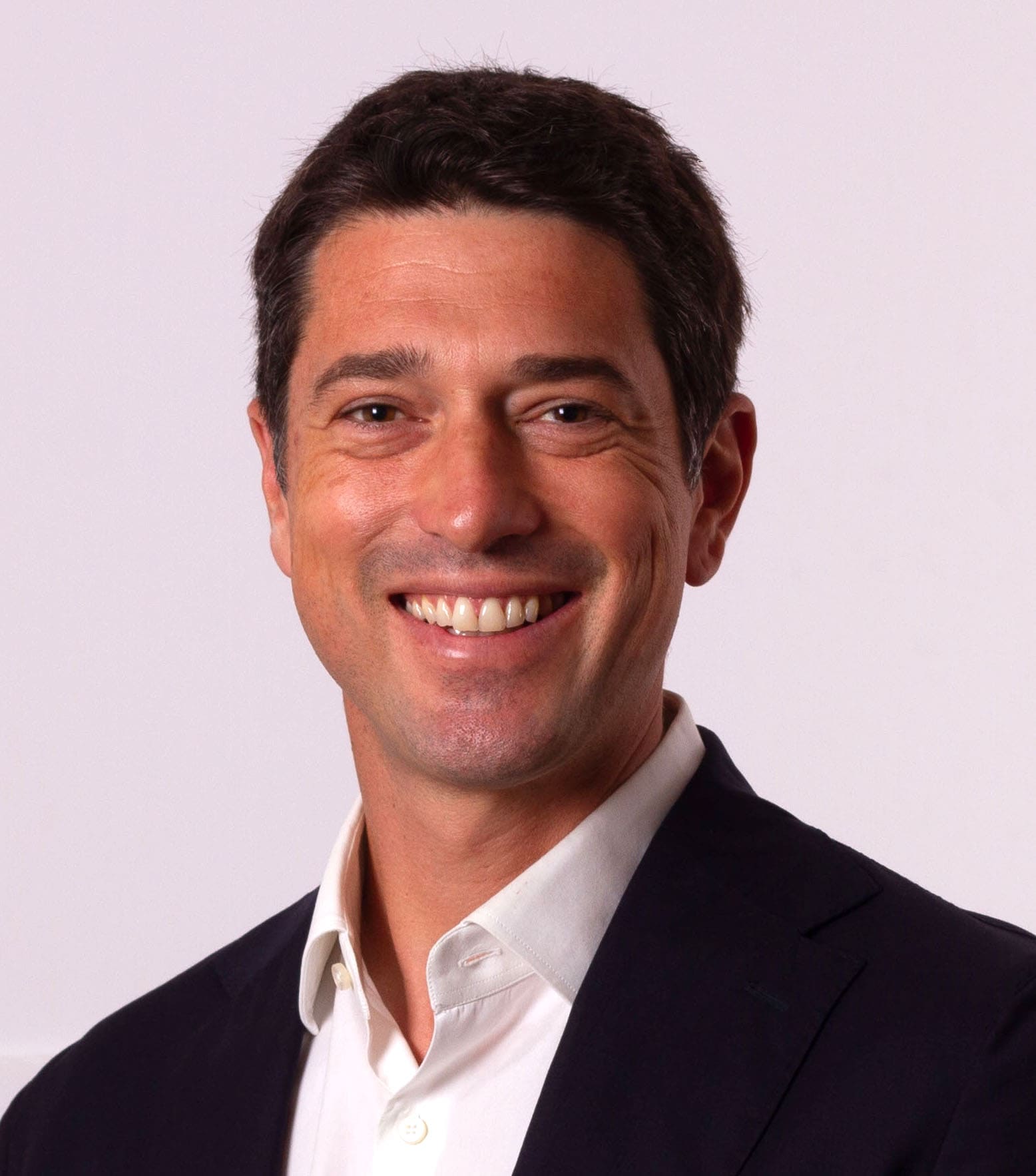
Giordano Bottà Left Oxford to Put a Number on the Invisible
A mosquito-genomics researcher spotted a stubborn gap between scientific discovery and useful software. He packed up in Oxford, returned to Rome, and began the long work of making inherited risk legible in the clinic.
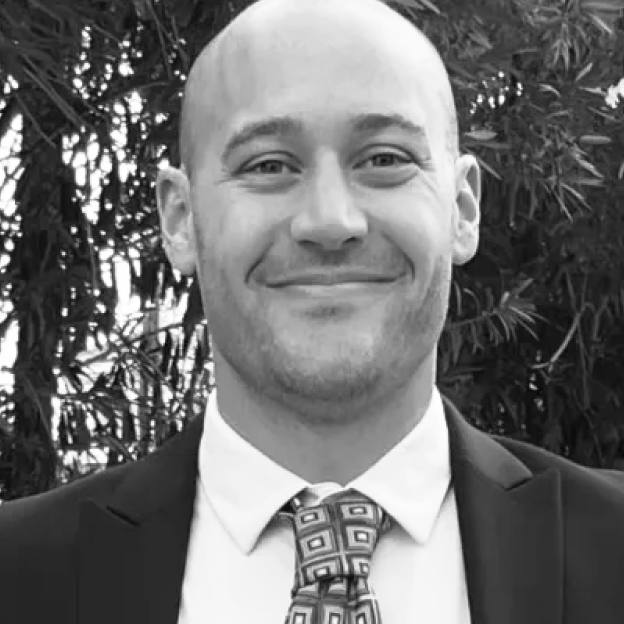
Bradley Murray Is Turning a Wild Scientific Search Into a Clinical Routine
He learned to read genomes, helped build CRISPR programs, and sat on the investor's side of the table. Now Bradley Murray is betting that the future of diagnostics depends less on inspired guessing and more on disciplined execution.
James Lu
James Lu is the co-founder and CEO of Helix, a population genomics company he helped launch in 2015 with Justin Kao and Scott Burke. An MD/PhD trained at Baylor College of Medicine with chemical engineering degrees from Stanford, Lu built his career at the intersection of machine learning, electronic health records, and genetics. He argues that the genome should sit alongside blood pressure and cholesterol as a core clinical input - the difference being that your genome never changes. Under his leadership Helix runs one of the largest clinical sequencing labs in the US and the Helix Research Network, and its GenoSphere dataset links more than 500,000 clinico-genomic records.
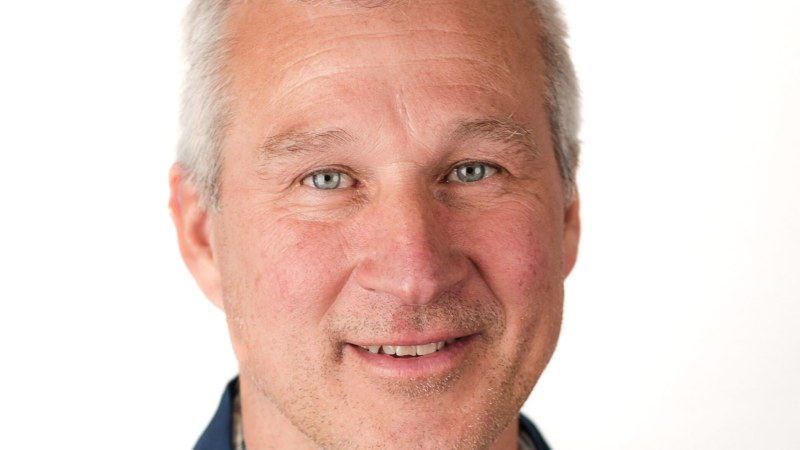
Tom Willis
Tom Willis, PhD, is a genomics entrepreneur with more than 20 years of company-building experience who became CEO of Arima Genomics in June 2025. A Yale and Stanford physicist turned biotech serial founder, he co-invented Molecular Inversion Probe technology, built two genomics companies from the ground up - ParAllele BioScience (acquired by Affymetrix) and Sequenta (whose ClonoSEQ assay became NCCN-standard for leukemia and lymphoma residual disease testing) - then spent a decade as Venture Partner at Illumina Ventures before stepping in to lead Arima, a company pioneering 3D genomics for cancer diagnostics.