chief-executive
(9)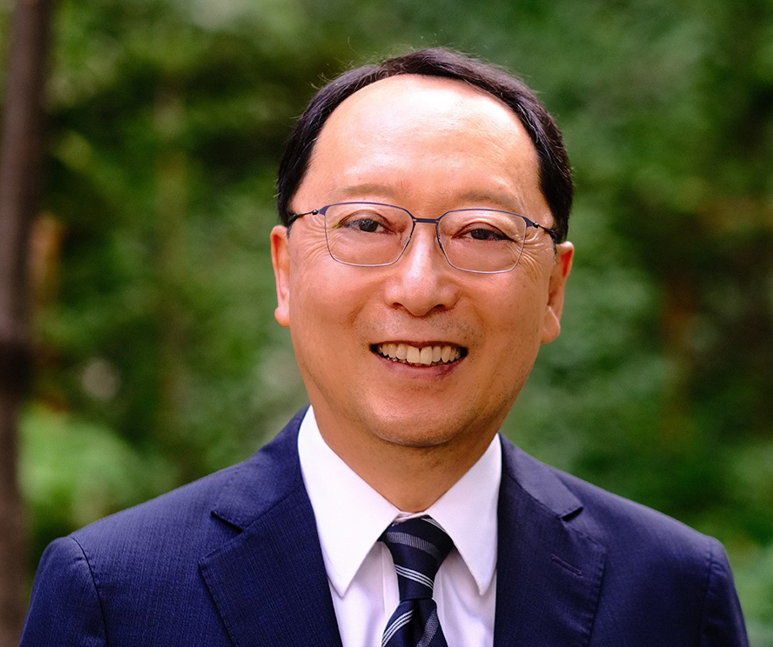
Young Whan Park and the case for a smaller room
After leading research inside larger institutions, Young Whan Park co-founded Avelos Therapeutics in Seoul. His next chapter turns on a practical question: how much can a small company accomplish when experience, resources, and responsibility are shared?
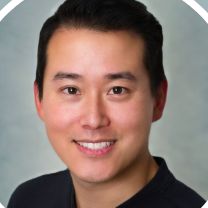
Irwin Liu and the talent a résumé leaves out
After leading education businesses at Chegg and Busuu, Irwin Liu took charge of Catalyte. His next assignment connects a familiar ambition - widening access to learning - with the harder business of getting people hired.

Brian Balbirnie and the business he learned to leave behind
He built Issuer Direct to make corporate compliance less cumbersome. Twenty years later, the founder of ACCESS Newswire is testing how much of that original business he needs to keep.
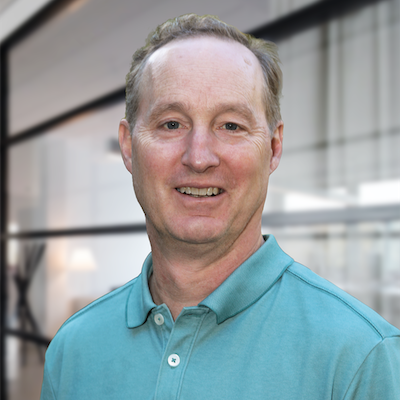
Bill Stapleton Kept the Founder’s Nerve - Then Chose a Second Act
After building HealthPlanOne for 16 years, Bill Stapleton did something many founders postpone forever: he let the company outgrow his title, then carried the operating lessons into a new CEO chapter.
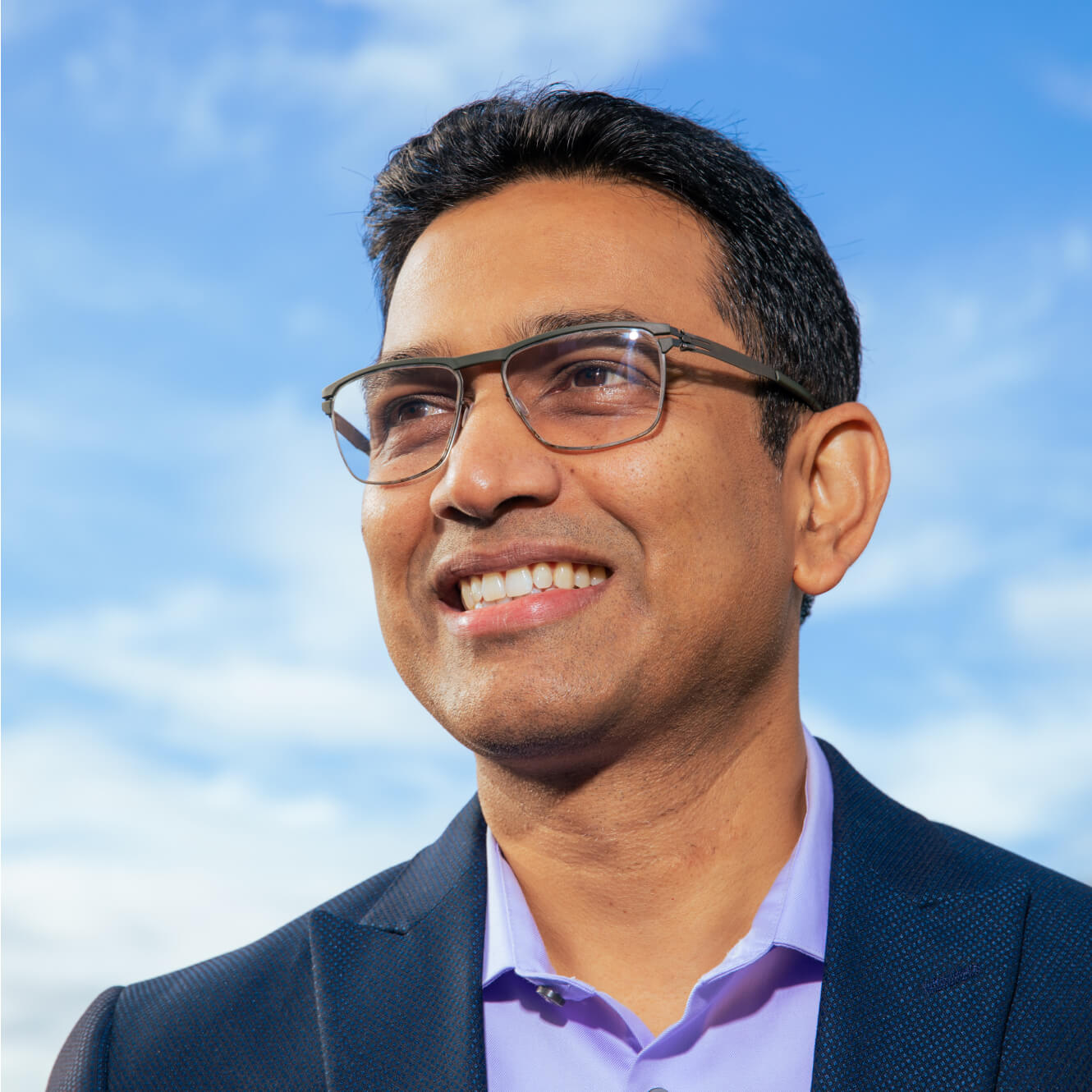
Uma Valeti Left the Cath Lab to Put Meat on a Different Kind of Table
A cardiologist saw the logic of regenerative medicine and asked an audaciously practical question: if cells can rebuild tissue, could they also make dinner? A decade later, Uma Valeti has regulatory clearance, a restaurant debut and the hardest course still ahead - scale.
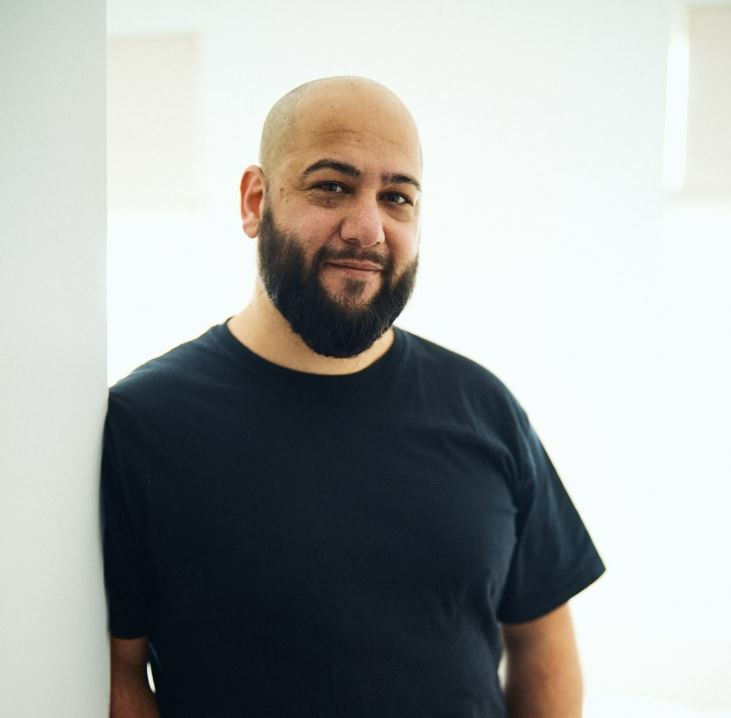
Remo Carbone Is Turning a Butcher’s Eye Into Data
The MEQ Solutions co-founder spent years teaching cameras and probes to read red meat. Now his company is trying to make objective measurement the common language of a global supply chain.
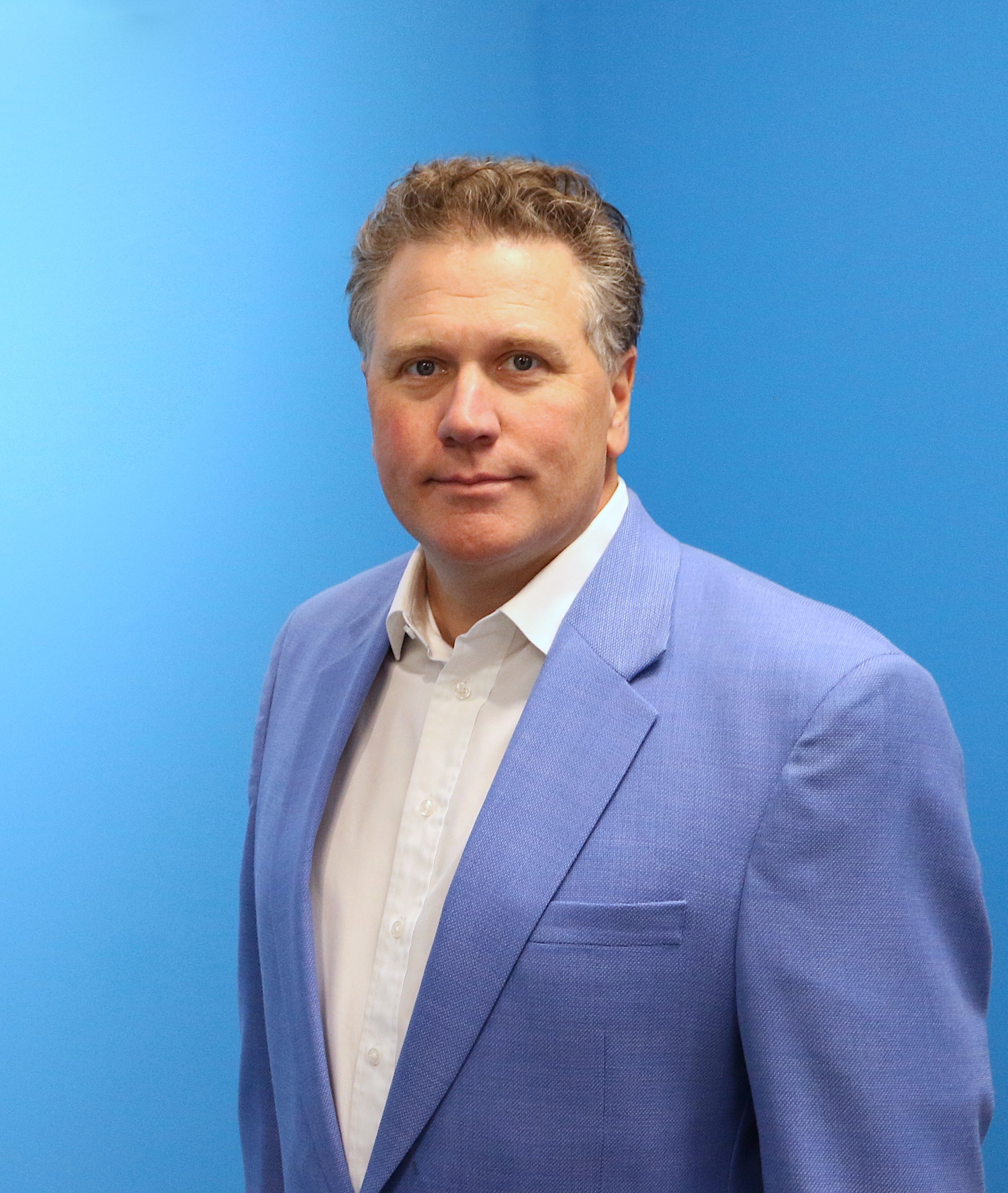
David Embry Bet Small Businesses Deserved Better Insurance - Then Built the Machine to Prove It
Mylo began with a stubborn question: could software make small insurance accounts worth serving well? A decade later, David Embry's answer is a business built around better recommendations, patient iteration and the enduring value of a human conversation.
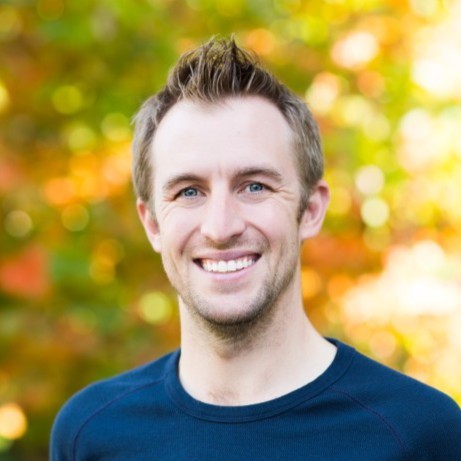
Andrew Laffoon Is Teaching AI to Respect the Family Album
For twenty years, Mixbook's co-founder has worked on the same deceptively difficult problem: turning a camera roll into something people will keep. His latest answer uses AI, but the product test remains stubbornly human.
Paul Orlady Is Teaching Tiny Factories to Think Bigger
The economics graduate behind Khona Scientific is making a business case for microscopic order: line up the enzymes, simplify the supply chain, and let ordinary yeast attempt unusually complicated work.